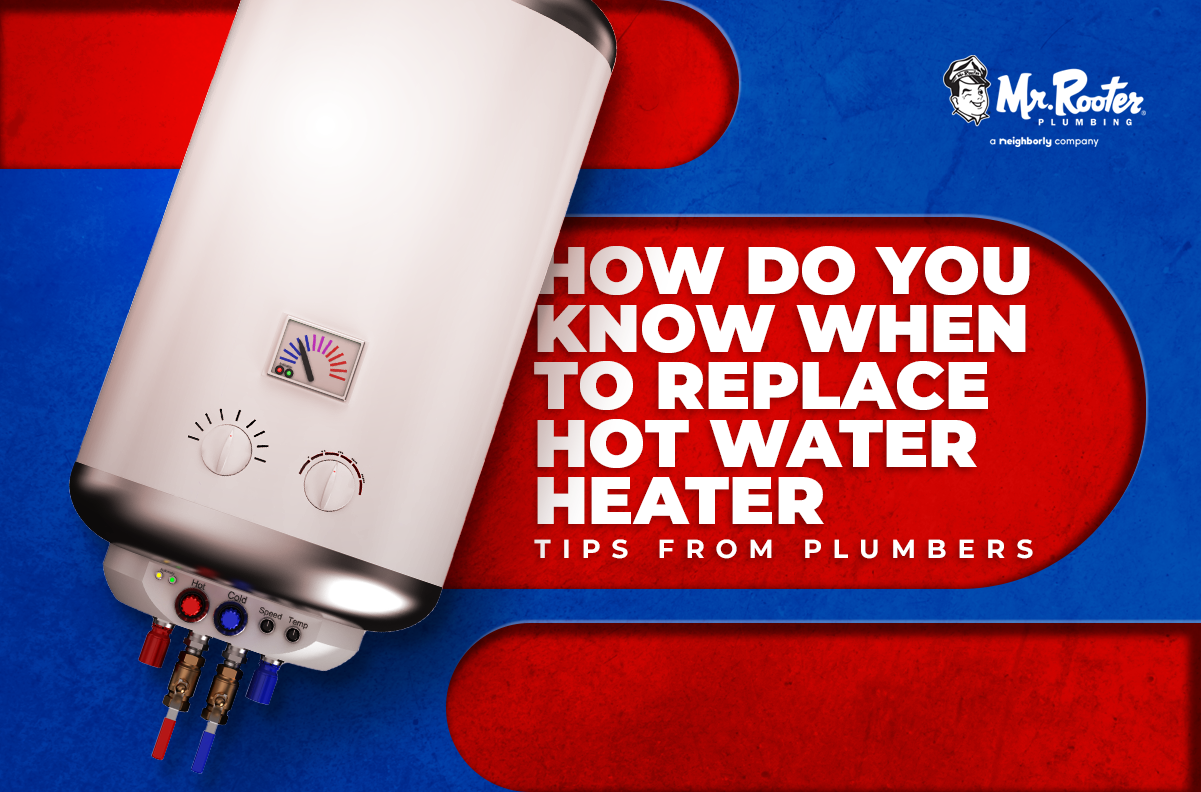
Is your water heater acting up again? If you’re like most homeowners, you might not think about your water heater’s age until it starts giving you trouble. Good news: sometimes, it’s cheaper to fix it than to buy a new one. This guide is for every homeowner out there. We’ll show you how do you know when to replace a hot water heater or if it just needs a quick fix. Let’s get started on figuring out what’s going on with your hot water.
Average Lifespan of Different Types
Tank water heaters last about 8-12 years, while tankless models can last up to 20 years. The type of water heater, usage patterns, and maintenance frequency play a crucial role in its lifespan.
Factors Affecting Lifespan
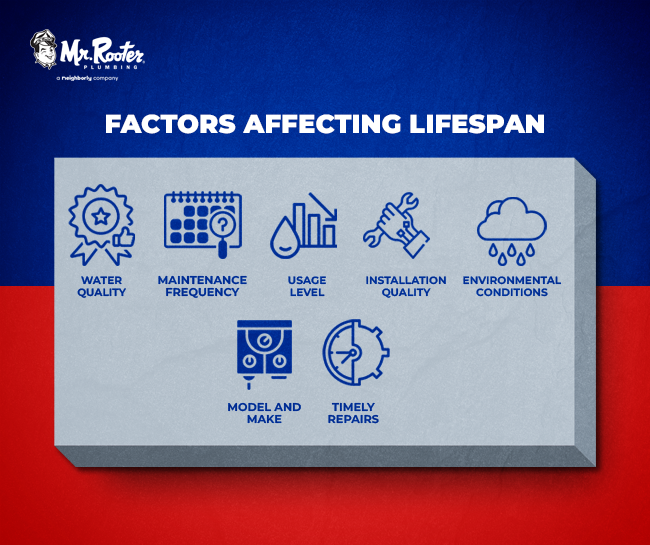
The longevity of your water heater hinges on several key factors. Understanding these can help you maximize its lifespan and efficiency. Here are the main elements to consider:
- Water Quality: Hard water can lead to mineral buildup, accelerating wear and tear.
- Maintenance Frequency: Regular maintenance, such as flushing the tank, can significantly extend a water heater’s life.
- Usage Level: High usage increases wear, impacting the heater’s lifespan.
- Installation Quality: Proper installation by a professional ensures optimal functioning and longevity.
- Environmental Conditions: Extreme temperatures and humidity can affect the unit’s durability.
- Model and Make: Different brands and models have varying lifespans based on their build quality and design.
- Timely Repairs: Addressing minor issues promptly can prevent larger, more costly problems down the line.
Recognizing the Signs
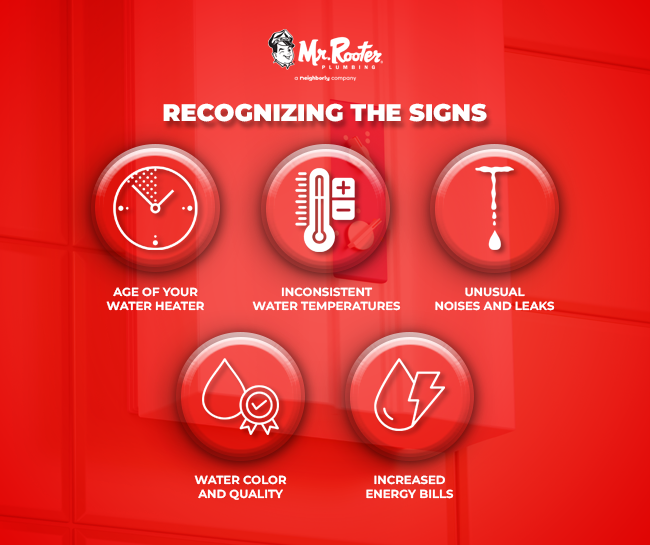
Knowing when to replace your water heater doesn’t have to be a guessing game. Look out for these clear indicators that it might be time for a change:
Age of Your Water Heater
The lifespan of a water heater typically ranges between 8 to 12 years. If yours is approaching or has surpassed this age, it’s wise to start considering a replacement. Regular maintenance can extend its life, but age will eventually wear down even the best-kept unit.
Inconsistent Water Temperatures
Fluctuating temperatures are a telltale sign of a failing water heater. If you’re experiencing lukewarm showers or sudden temperature spikes, it’s time to inspect your heater.
Unusual Noises and Leaks
Knocking or rumbling noises often indicate sediment buildup, a common issue in aging water heaters. Leaks around the base of the unit are also a critical sign that replacement is imminent.
Water Color and Quality
Rusty or muddy water can signify internal tank corrosion. This not only affects water quality but also the efficiency and safety of the heater.
Increased Energy Bills
An unexplained rise in energy bills can be linked to an inefficient water heater struggling to maintain water temperature.
🛠️ Knowing when to replace your hot water heater is crucial to avoid unexpected cold showers or potential water damage.
How Long Do Water Heaters Last
When to Consider Replacement
Consider replacing your water heater if it’s nearing the end of its expected lifespan, showing signs of malfunction, or if it’s no longer energy efficient.
Recognizing how do you know when to replace a hot water heater is crucial for uninterrupted, efficient home comfort. Pay attention to the age, performance, and efficiency of your unit. When in doubt, consult a professional plumber to assess your water heater’s condition. Remember, a timely replacement can save you from unexpected disruptions and higher long-term costs.