If you have a deep well, pipe corrosion is a serious issue that can affect your water quality and plumbing integrity. Addressing corrosion early can prevent bigger problems and ensure safe water for your home. In this guide, we’ll explore what causes pipe corrosion, how to identify it, immediate actions to take, long-term solutions, preventive measures, and safety considerations. Let’s get started on maintaining a healthy and reliable water supply for your household.
What Causes Pipe Corrosion?
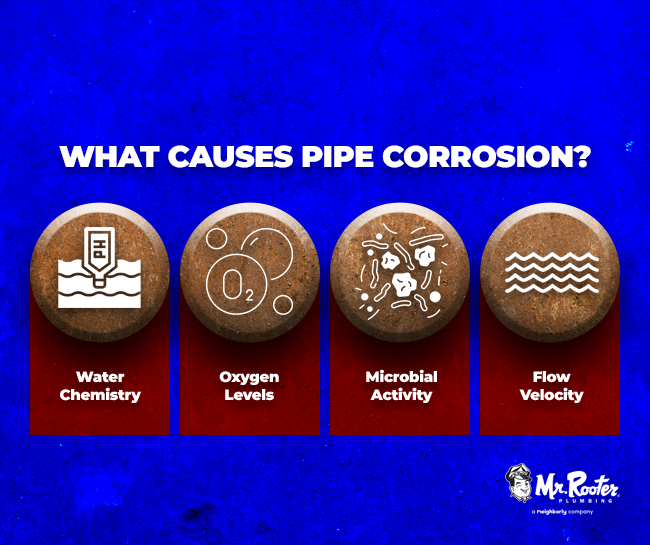
Pipe corrosion is a natural process that occurs when metal pipes react with the minerals and chemicals in water. Several factors can contribute to pipe corrosion:
- Water Chemistry: High levels of acidity or alkalinity can accelerate corrosion. Hard water, which contains high levels of calcium and magnesium, can also be a culprit.
- Oxygen Levels: Oxygen in water can react with the metal in pipes, leading to oxidation and rust formation.
- Microbial Activity: Certain bacteria can produce corrosive byproducts that attack metal pipes.
- Flow Velocity: High water flow rates can cause erosion-corrosion, where the physical wear of water flow combines with chemical corrosion.
💡 Tackling this issue early is vital for preserving water quality and the integrity of your plumbing system, ensuring your home remains safe and functional.
Risks Associated with Corroded Pipes
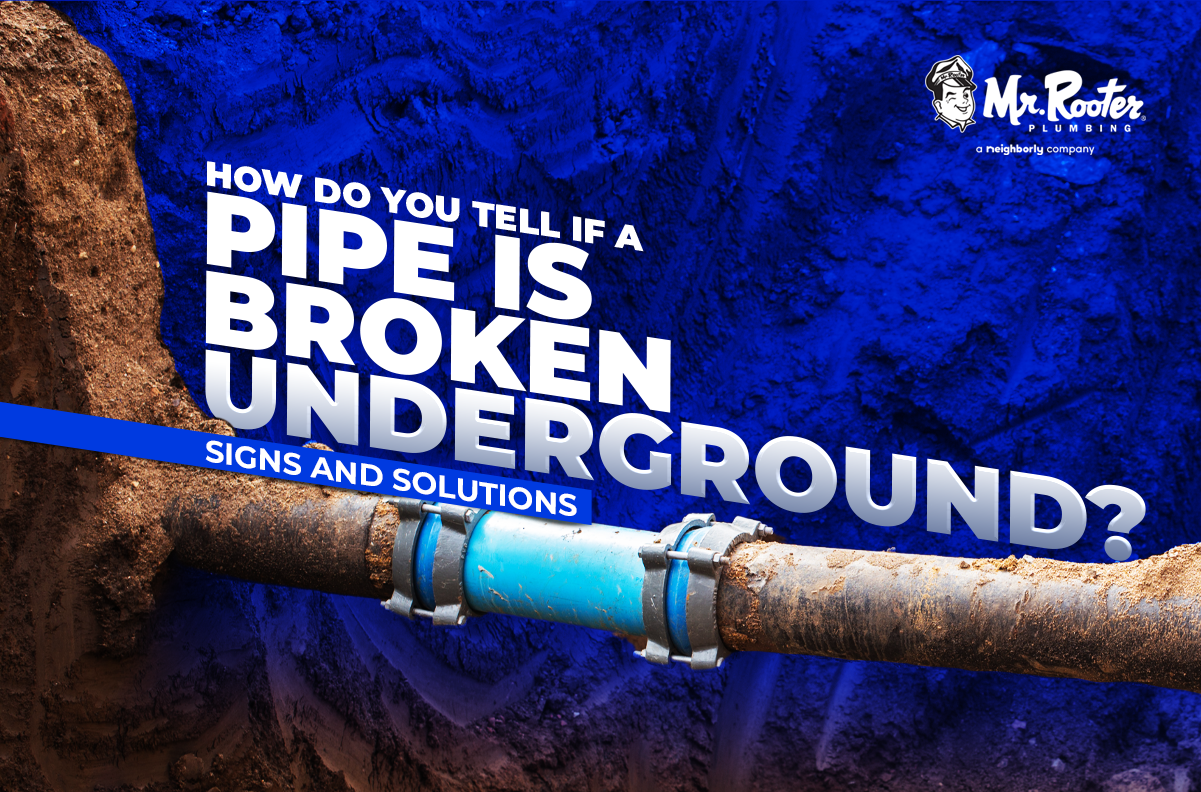
Ignoring pipe corrosion can lead to several risks. Health hazards are a primary concern, as drinking water from corroded pipes can be unsafe. Harmful metals like lead or copper can leach into the water, posing significant health risks. Additionally, corrosion weakens pipes, making them more prone to leaks and bursts, which can cause extensive plumbing damage and costly repairs. Corroded pipes also lead to water quality issues, causing water discoloration and unpleasant tastes or odors, making it unsuitable for consumption and daily use.
Signs of Corroded Pipes
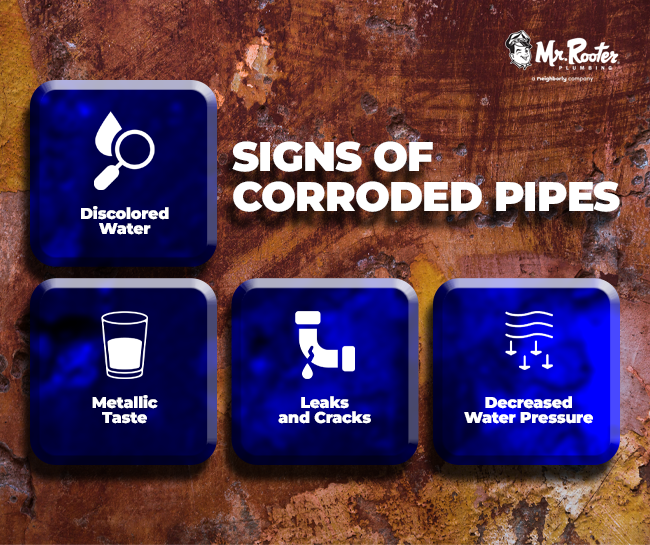
Identifying corroded pipes early can help mitigate damage. Look out for these signs:
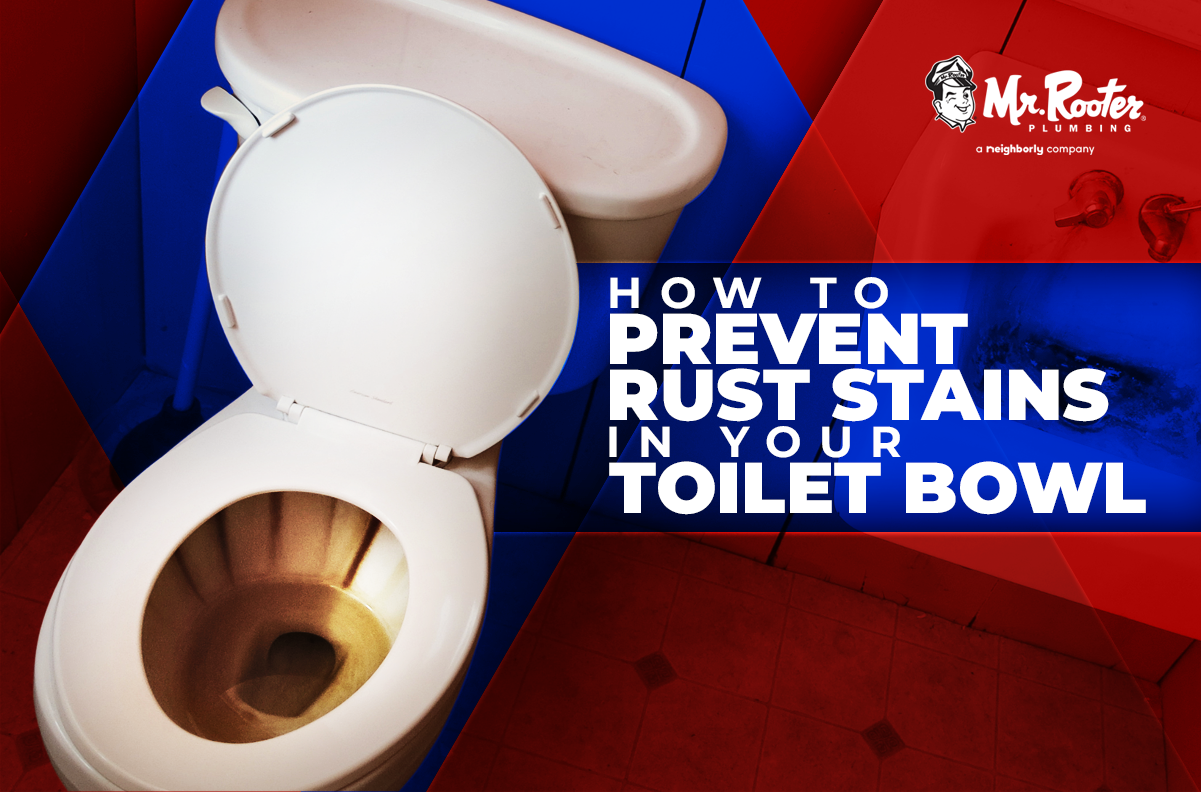
- Discolored Water: Brown or reddish water indicates rust and corrosion inside the pipes.
- Metallic Taste: A metallic taste in your water can be a sign of pipe corrosion.
- Leaks and Cracks: Visible leaks, cracks, or wet spots around your plumbing system.
- Decreased Water Pressure: Corroded pipes can restrict water flow, leading to reduced water pressure.
💡 Avoiding corroded pipes isn’t just about preventing inconvenience; it’s safeguarding your health and your home.
How to Assess the Severity of Corrosion
Before deciding on a course of action, it’s essential to assess the severity of the corrosion:
- Visual Inspection: Check for visible signs of corrosion, such as rust, leaks, or discoloration around pipes.
- Water Testing: Have your water tested for high levels of metals, such as iron, copper, and lead.
- Professional Inspection: Consider hiring a plumber to conduct a thorough inspection using advanced tools like video cameras.
Temporary Fixes for Corroded Pipes
If the corrosion is minor, temporary fixes can help while you plan for a permanent solution:
- Pipe Clamps: Use pipe clamps to seal small leaks temporarily.
- Epoxy Coatings: Apply epoxy coatings inside pipes to slow down corrosion and seal minor leaks.
- Water Filters: Install water filters to remove rust particles and improve water quality temporarily.
When to Replace Corroded Pipes
In some cases, replacing corroded pipes is the best long-term solution. Consider replacement if:
- The pipes are severely corroded and beyond repair.
- Temporary fixes are no longer effective.
- The pipes are made of outdated materials prone to corrosion, such as galvanized steel.
Regular Maintenance Tips
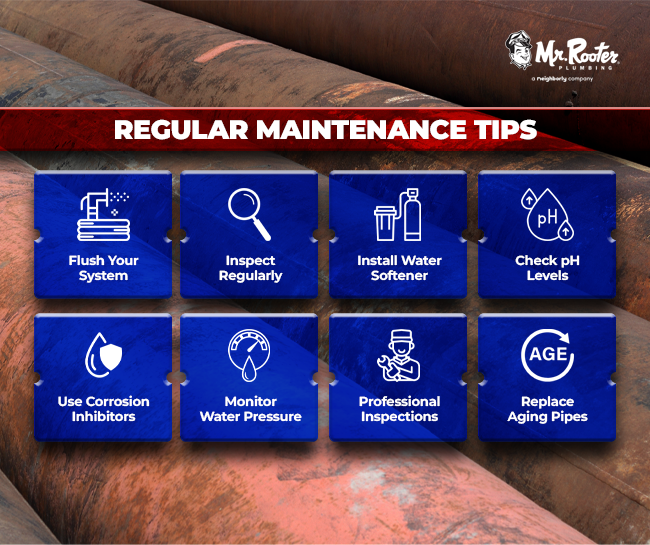
Regular maintenance can extend the life of your well pipes and prevent corrosion. Here are some practical tips to keep your system in top condition:
- Flush Your System: Periodically flush your plumbing system to remove sediment and debris that can cause corrosion. Run water from each faucet for several minutes to ensure thorough flushing.
- Inspect Regularly: Conduct regular inspections of your pipes and plumbing fixtures for early signs of corrosion. Look for rust spots, leaks, and any changes in water quality.
- Install Water Softener: If you have hard water, installing a water softener can reduce mineral buildup that contributes to pipe corrosion. This can be especially important for homes with high levels of calcium and magnesium in their water.
- Check pH Levels: Regularly test the pH levels of your well water. Water that is too acidic or too alkaline can accelerate pipe corrosion. Adjust the pH as necessary to maintain a neutral level.
- Use Corrosion Inhibitors: Adding corrosion inhibitors to your water can form a protective layer inside your pipes, reducing the risk of corrosion. Consult with a professional to choose the right inhibitors for your system.
- Monitor Water Pressure: High water pressure can cause erosion-corrosion. Install a pressure regulator to maintain optimal water pressure and prevent excessive wear on your pipes.
- Professional Inspections: Schedule annual inspections with a licensed plumber. Professionals can use advanced tools to detect early signs of corrosion that may not be visible during routine checks.
- Replace Aging Pipes: Keep track of the age and condition of your pipes. Plan for the timely replacement of old pipes, especially those made from materials prone to corrosion, like galvanized steel.
Dealing with pipe corrosion from your well to your house is essential for maintaining a safe and efficient water supply. By understanding the causes, identifying early signs, and taking both immediate and long-term actions, you can effectively manage and prevent pipe corrosion. Regular maintenance and professional inspections will help ensure the longevity of your plumbing system. Don’t wait for a minor issue to become a major problem—take action today to protect your home and your health.
For more information on well water maintenance and water treatment systems, check out our related articles. And remember, when in doubt, always consult a professional plumber to ensure the safety and integrity of your water supply.