Choosing the right water heater for your home is more than a matter of comfort; it’s a decision that affects your household’s energy efficiency, long-term costs, and daily convenience. With several types of water heaters available on the market, understanding the differences between them can help you make an informed decision that aligns with your home’s needs and your environmental values.
Types of Water Heaters
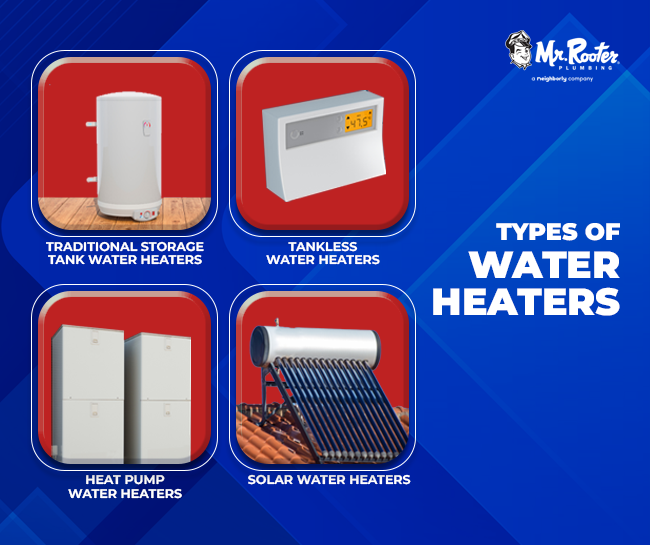
When it comes to selecting a water heater for your home, understanding the different types available is crucial. Each type offers unique benefits and challenges, making it important to choose one that aligns with your household’s needs and preferences. Here’s a closer look at the various options:
Traditional Storage Tank Water Heaters
Traditional storage tank water heaters are equipped with a large tank that stores and keeps water hot until it’s needed. These units are the most prevalent in homes today and can be powered by electricity, natural gas, propane, or oil. The tank’s capacity can vary, typically ranging from 20 to 80 gallons, making it crucial to select a size that matches your household’s water usage to avoid running out of hot water during peak times.
Pros: Lower initial cost, straightforward installation.
Cons: Higher operational costs due to continuous heating, limited hot water supply.
Best Use Case: Ideal for homes with simultaneous, multiple uses of hot water.
Tankless Water Heaters (On-Demand)
Tankless water heaters, also known as on-demand water heaters, heat water directly without the use of a storage tank. When a hot water tap is turned on, cold water travels through a pipe into the unit, where it is heated by either an electric element or a gas burner. This ensures a constant supply of hot water without the standby energy losses associated with storage water heaters. However, the output limits the flow rate, typically providing hot water at a rate of 2–5 gallons per minute.
Pros: More energy-efficient than traditional models, longer lifespan, saves space.
Cons: Higher upfront cost, may require a larger gas line or additional electrical circuits.
Best Use Case: Best for homes with lower hot water demand or as a supplemental source for specific applications.
Heat Pump Water Heaters (Hybrid Water Heaters)
Heat pump water heaters, often referred to as hybrid water heaters, operate by extracting heat from the air or ground and transferring it into the water. They use electricity not to generate heat directly but to move heat from one place to another, making them incredibly efficient. These systems can be up to three times more energy-efficient than traditional electric water heaters.
Pros: Lower operating costs, can be two to three times more energy efficient.
Cons: Higher purchase price, requires installation in locations with a consistent temperature range.
Best Use Case: Ideal for climates with moderate to hot temperatures, great for energy-conscious households.
Solar Water Heaters
Solar water heaters use the sun’s energy to heat water for home use. These systems typically include solar collectors mounted on the roof and a storage tank. There are two main types: active, which uses pumps to circulate water or a heat-transfer fluid through the collectors, and passive, which relies on gravity and the tendency for water to naturally circulate as it heats up.
Pros: Extremely energy-efficient, low operating costs, environmentally friendly.
Cons: High initial investment, dependent on sunlight, may require a backup system.
Best Use Case: Best suited for regions with abundant sunlight, for homeowners looking to reduce their carbon footprint.
By delving into the specifics of each water heater type, homeowners can better assess which system aligns with their household’s needs, preferences, and environmental values, ensuring a wise investment in their comfort and home’s energy efficiency.
What is the Most Common Type of Water Heater Used in Homes?
The most common type of water heater in residential homes has shifted towards tankless electric water heaters due to several key factors:
- Energy Efficiency: They heat water on demand, reducing standby energy losses.
- Compact Size: Their small footprint is ideal for space-saving in modern homes.
- Sustainability: Offers a greener alternative by conserving energy and reducing utility bills.
- Convenience: Provides a continuous supply of hot water, catering to the immediate needs of homeowners.
💡 This trend reflects the growing preference for appliances that are both energy-efficient and suitable for the compact living spaces of contemporary homes.
Which Water Heater is Best for Home?
The best water heater for your home depends on various factors, including household size, water usage, energy efficiency goals, and budget. Consider the following when choosing:
- Size: Ensure the water heater can meet your household’s hot water needs.
- Efficiency: Look for models with high Energy Star ratings to save on operating costs.
- Cost: Factor in both the initial purchase price and long-term operating costs.
Selecting the right water heater is a crucial decision for any homeowner. By considering the types of water heaters available and evaluating your household’s needs, you can choose a system that provides hot water efficiently and economically. Remember to consider energy efficiency, size, and cost when making your decision, and don’t hesitate to consult with a professional to find the best fit for your home.