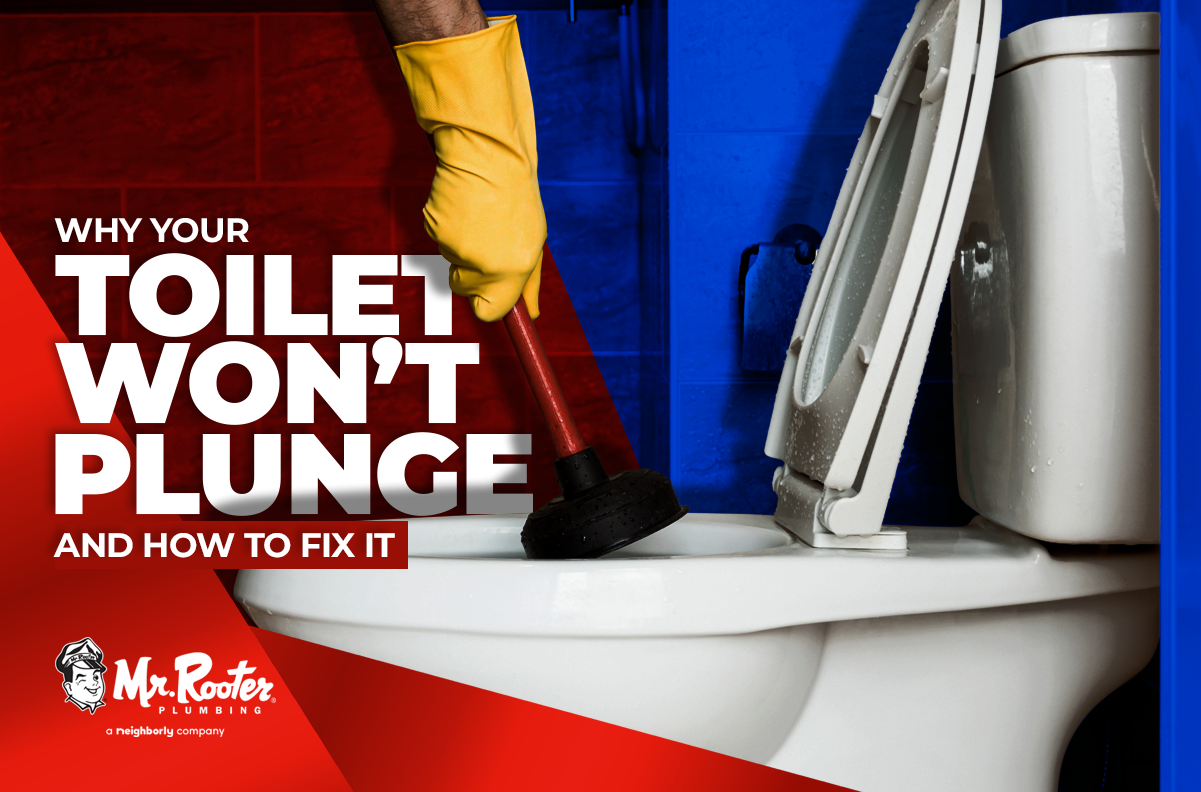
We’ve all been there—standing over a stubbornly clogged toilet, plunger in hand, feeling frustrated and unsure of the next step. Toilet clogs can be a common yet annoying household issue, and when a plunger just won’t do the trick, it’s easy to feel stuck. Addressing these clogs promptly is crucial not only to restore functionality but also to prevent potential water damage and unsanitary conditions.
In this guide, we’ll explore why your toilet might not respond to plunging and provide you with practical solutions to tackle even the most stubborn clogs. Plus, we’ll share preventive tips to help you avoid future blockages and maintain a smoothly running bathroom.
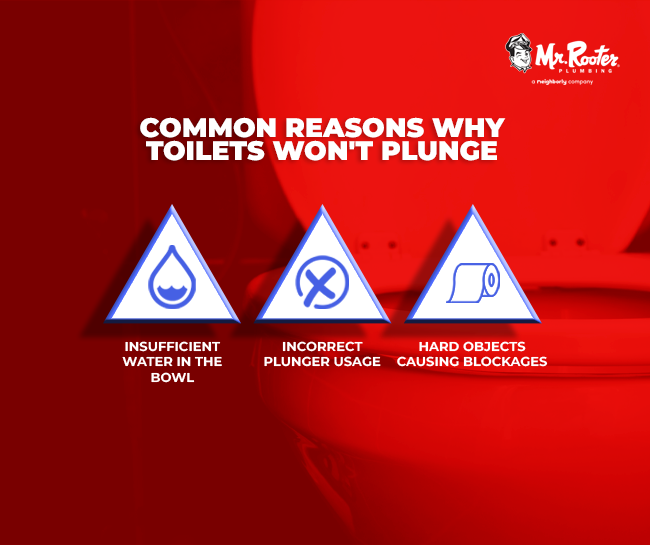
Common Reasons Why Toilets Won’t Plunge
Understanding why your toilet isn’t responding to plunging can help you identify the best course of action. Here are some common culprits:
Insufficient Water in the Bowl
A lack of water in the toilet bowl can make it difficult to create the necessary suction with a plunger. Ensure the water level is adequate before plunging. If the water level is too low, add some water to the bowl until it’s halfway full.
Incorrect Plunger Usage
Believe it or not, there is a right way to use a plunger. Make sure you are using a flange plunger, which is designed for toilets, and not a cup plunger, which is meant for sinks. Position the plunger so that the flange fits snugly into the toilet drain, creating a strong seal. Use firm, consistent pressure to push and pull, and avoid splashing.
Hard Objects Causing Blockages
Items like toys, sanitary products, or too much toilet paper can cause severe blockages that a plunger alone cannot fix. If you suspect a hard object is the issue, you might need to use a toilet auger or call a professional plumber.
💡 Understanding why your toilet isn’t responding to plunging is crucial. It enables you to address issues effectively, ensuring your toilet functions smoothly and avoiding costly repairs.
Effective Solutions for a Stubborn Clog
If plunging isn’t working, don’t worry—there are several other methods you can try to clear the blockage.
Using a Toilet Auger
A toilet auger, also known as a plumber’s snake, is a handy tool designed to reach deeper clogs that a plunger can’t. Here’s how to use it:
- Insert the Auger: Place the end of the auger into the toilet bowl and gently feed it into the drain.
- Turn the Handle: Rotate the handle clockwise to extend the auger cable down the drain.
- Break Up the Clog: Continue turning the handle until you feel resistance. This indicates the auger has reached the clog. Push and twist the auger to break up or retrieve the obstruction.
- Retract the Auger: Slowly pull the auger back out of the drain, being careful not to scratch the porcelain.
Baking Soda and Vinegar Solution
A natural and effective remedy for minor clogs involves using baking soda and vinegar. Here’s how it works:
- Pour Baking Soda: Add one cup of baking soda to the toilet bowl.
- Add Vinegar: Slowly pour one cup of vinegar into the bowl. The mixture will fizz and bubble, helping to break down the clog.
- Wait and Flush: Allow the solution to sit for about 30 minutes, then flush the toilet. Repeat if necessary.
💡 Knowing effective ways to clear stubborn toilet clogs empowers you to save time and avoid costly repairs. Using tools like a toilet auger or simple remedies ensures smooth plumbing and a stress-free bathroom experience.
Professional Plumbing Services
If all else fails, it may be time to call in a professional plumber. They have the expertise and equipment to handle even the most stubborn clogs safely and efficiently.
Preventive Measures to Avoid Future Clogs
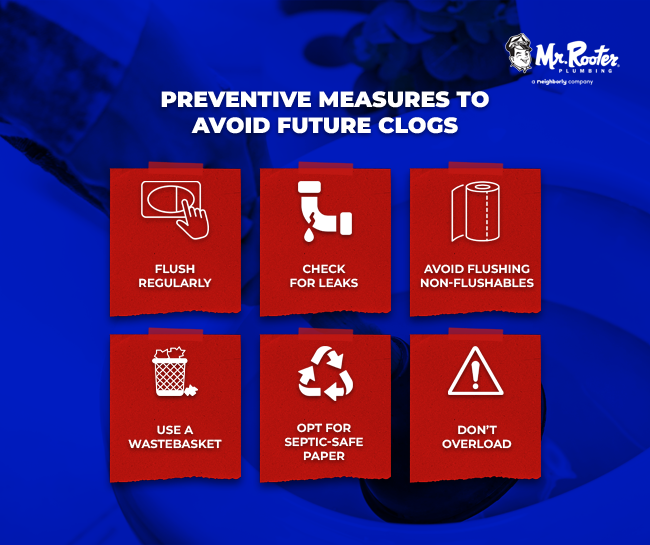
Taking a few simple steps can help prevent future clogs and keep your toilet functioning smoothly.
- Flush Regularly: Regularly flush your toilet to prevent buildup.
- Check for Leaks: Inspect your toilet for any leaks or signs of wear.
- Avoid Flushing Non-Flushables: Never flush items like sanitary products, wipes, or paper towels. These items can cause significant blockages.
- Use a Wastebasket: Keep a wastebasket in your bathroom for disposing of non-flushable items.
- Opt for Septic-Safe Paper: Choose toilet paper labeled as septic-safe or biodegradable, as it breaks down more easily in water.
- Don’t Overload: Use a reasonable amount of toilet paper per flush to avoid clogging the pipes.
Dealing with a toilet that won’t plunge can be frustrating, but with the right tools and techniques, you can tackle even the most stubborn clogs. Remember to use a toilet auger for deep blockages, try natural remedies like baking soda and vinegar, and follow preventive measures to keep your toilet running smoothly. By taking these steps, you’ll ensure a hassle-free bathroom experience and avoid future plumbing headaches.
Want to know how to prepare your toilet for cleaning? Learn how to drain the water from your toilet bowl before you start cleaning. It’s an easy way to make your toilet cleaner and keep it fresh.
Click here to read: How to Drain Water from Toilet Bowl for Cleaning