Have you ever wondered, Should I turn off my water heater when the water supply is off? This question is more common than you might think among homeowners. In this article, we delve into the nuances of managing your water heater, providing insights to ensure safety, efficiency, and cost-effectiveness in your home.
Importance of Water Heater Management
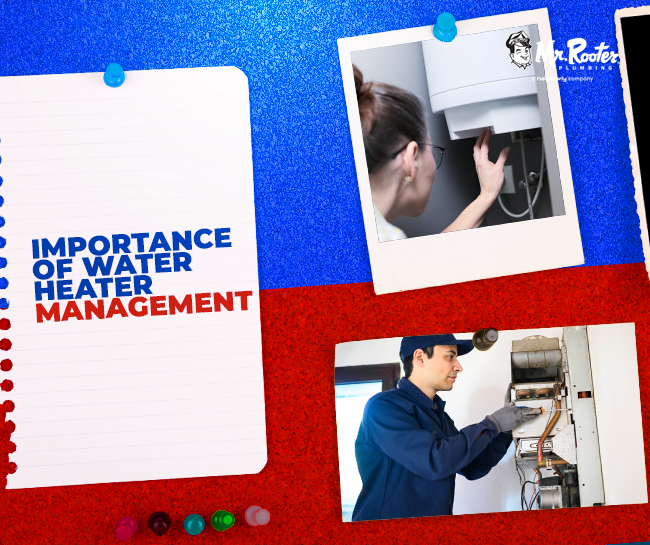
Proper water heater management is a delicate balance between ensuring safety and maximizing efficiency. A well-maintained water heater not only prevents potential hazards but also operates more efficiently, reducing energy consumption and lowering utility bills.
💡 Gas and electric heaters have slightly different considerations when turning them off.
When to Turn Off Your Water Heater
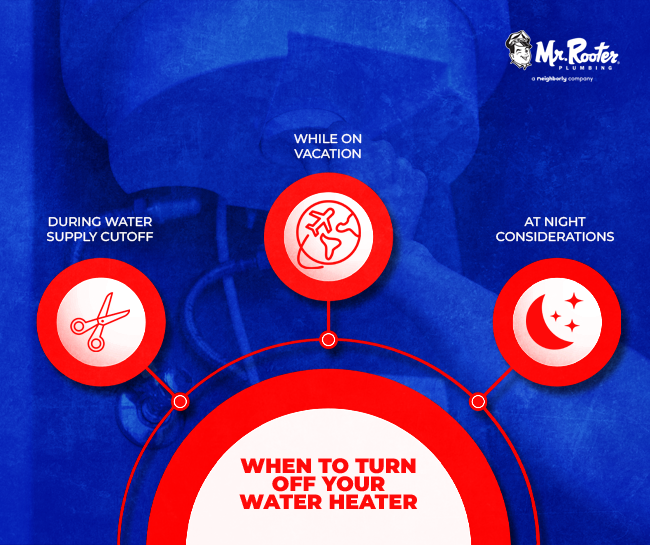
Knowing when to turn off your water heater can save you from unnecessary energy usage and potential damage to the unit. Let’s explore the different scenarios where turning off your water heater is advisable.
- During Water Supply Cutoff
In the event of a water supply cutoff, turning off your heater is crucial. Operating without water can cause the heating elements to overheat and fail, leading to expensive repairs or replacements.
- While on Vacation
If you’re planning to be away from home for an extended period, it’s wise to turn off your water heater. This not only conserves energy but also minimizes the risk of leaks or damage occurring in your absence.
- At Night Considerations
While it’s generally not necessary to turn off your heater at night, there are exceptions. For instance, if you’re away from home for a night or more, turning it off can contribute to energy savings.
💡 Each water heater model has specific requirements for turning it on and off.
Risks of Turning Off Water Heater
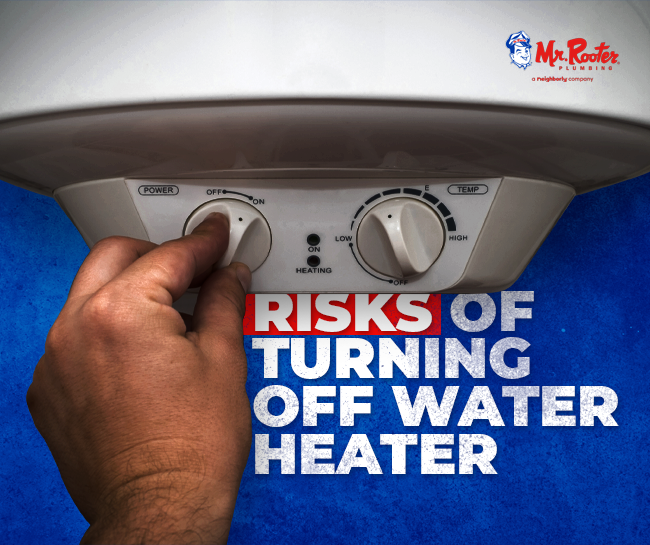
Potential damage or explosion, turning off your water heater, especially if it’s gas-powered, needs to be done correctly. Incorrect handling can lead to pressure build-up, risking damage or even explosion.
How to Safely Turn Off Your Water Heater
Turning off your heater safely is a straightforward process, but it must be done correctly to avoid any risks. Here’s a simple guide to help you through it.
- For Electric Water Heaters: Locate and turn off the power supply at the circuit breaker.
- For Gas Water Heaters: Adjust the gas valve to the ‘pilot’ setting to prevent the burner from igniting.
- Drain the Tank: Consider draining the tank if you’re turning off the heater for a long period to prevent sediment build-up and maintain the heater’s efficiency.
FAQs
- Should I turn off water and water heater when on vacation? Yes, it’s recommended for both safety and energy conservation.
- Do you still have water if the water heater is off? Yes, water flow continues, but it will not be heated.
- Is it worth turning off the water heater at night? Regularly turning it off at night isn’t typically necessary, but it can be beneficial in certain situations.
- Can a water heater explode if turned off? While rare, incorrect handling can lead to pressure build-up and potential risks, so always follow proper shutdown procedures.
Effectively managing your water heater is a key aspect of home maintenance. Understanding when and how to turn off your water heater can lead to significant energy savings and prevent potential hazards. Remember, when in doubt, consulting a professional plumber is always the best course of action.