Regular plumbing maintenance is crucial for preventing costly repairs and ensuring the efficiency of your home’s plumbing system. By following a few simple tips and adhering to a maintenance schedule, you can keep your plumbing in top shape. This guide will provide an overview of what plumbing maintenance entails, its benefits, and a detailed checklist to help you maintain your plumbing system effectively. Whether you’re a new homeowner or looking to improve your home maintenance routine, this guide offers valuable insights to help you manage your plumbing system
What is Plumbing Maintenance?
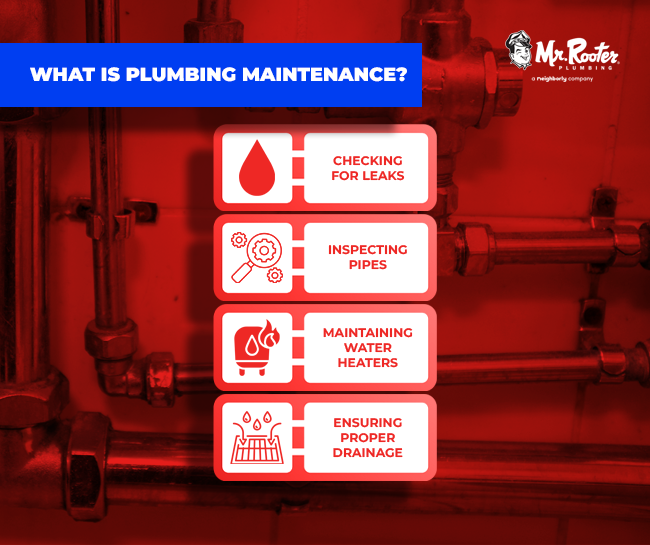
Plumbing maintenance involves regular inspections, preventive measures, and minor repairs to ensure your plumbing system is functioning correctly. It includes:
- Checking for leaks
- Inspecting pipes
- Maintaining water heaters
- Ensuring proper drainage
💡 Regular maintenance helps identify potential issues before they become major problems, saving you time and money.
Benefits of Regular Plumbing Maintenance
Regular plumbing maintenance is essential for keeping your system efficient and problem-free. Here are the key benefits homeowners can enjoy by staying proactive with their plumbing upkeep.
- Prevents costly repairs by identifying and fixing minor issues early.
- Extends the lifespan of your plumbing system by keeping pipes, fixtures, and appliances in good condition.
- Ensures water quality and safety by preventing contaminants from entering your water supply.
- Improves water pressure by keeping pipes clear of sediment and mineral buildup.
- Reduces water bills by fixing leaks and optimizing the efficiency of your plumbing system.
- Enhances home value by maintaining a well-functioning and reliable plumbing system.
Types of Plumbing Maintenance
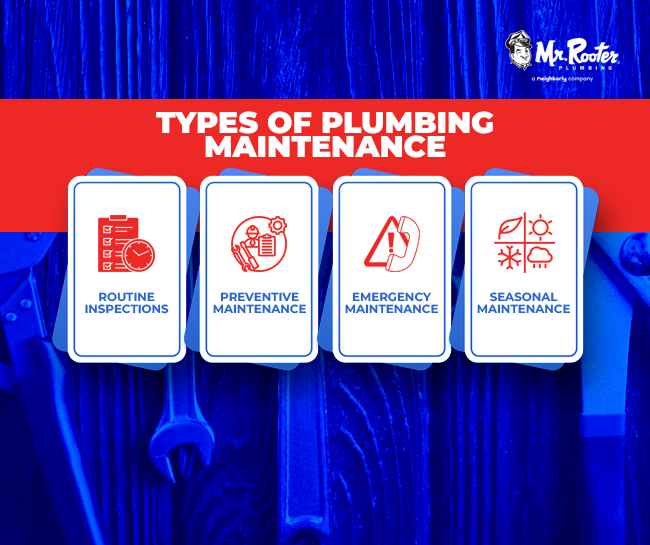
Understanding the different types of plumbing maintenance can help you keep your system in top condition. Here are the main categories of maintenance tasks that every homeowner should be aware of.
Routine Inspections
Routine inspections involve regularly checking your plumbing system for signs of wear, leaks, and other issues. This can include inspecting pipes, faucets, toilets, and water heaters. Routine inspections help identify problems early, allowing for timely repairs and maintenance.
Preventive Maintenance
Preventive maintenance involves taking proactive steps to prevent plumbing issues before they occur. This can include tasks such as insulating pipes, maintaining water heaters, and using drain strainers to prevent clogs. Preventive maintenance helps ensure the longevity and efficiency of your plumbing system.
Emergency Maintenance
Emergency maintenance is necessary when unexpected plumbing issues arise, such as burst pipes or severe leaks. While regular maintenance can reduce the likelihood of emergencies, it’s essential to be prepared and know how to handle such situations promptly.
Seasonal Maintenance
Seasonal maintenance involves tasks specific to different times of the year. For example, winterizing your plumbing system in the fall can prevent pipes from freezing during the winter. Seasonal maintenance ensures that your plumbing system remains functional and efficient throughout the year.
💡 Understanding the types of plumbing maintenance is essential. It helps you prevent issues before they escalate, ensure their plumbing system operates efficiently, and be prepared for unexpected emergencies.
Plumbing Maintenance Tips
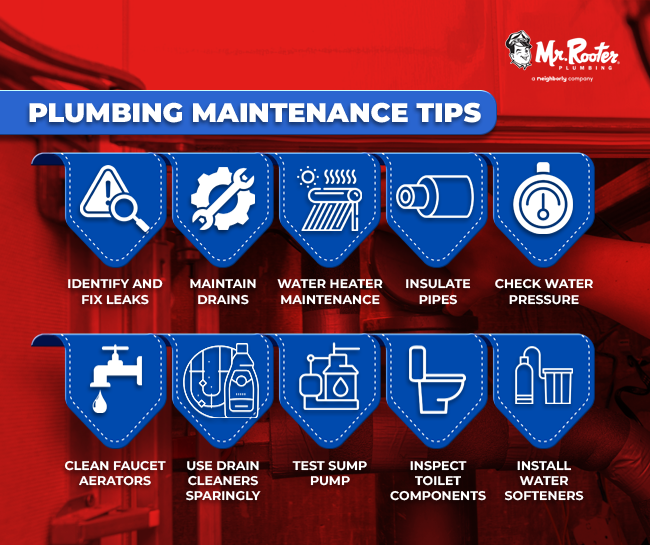
Proper plumbing maintenance involves a variety of tasks to keep your system running smoothly. Here are some practical tips to help you identify and address common plumbing issues in your home:
- Identify and Fix Leaks: Regularly check for damp spots, water stains, and unusual water meter readings to detect leaks early.
- Maintain Drains: Avoid pouring grease or food scraps down the sink, use a drain strainer to catch debris, and flush drains with hot water regularly.
- Water Heater Maintenance: Check the temperature setting, inspect for leaks, and flush the tank to remove sediment buildup. Test the pressure relief valve to ensure it’s functioning correctly.
- Insulate Pipes: Use foam pipe insulation or heat tape to wrap exposed pipes, especially in unheated areas such as basements and crawl spaces.
- Check Water Pressure: Regularly monitor your water pressure to prevent damage to pipes and appliances. Install a pressure regulator if necessary.
- Clean Faucet Aerators: Remove and clean aerators on faucets to ensure proper water flow and prevent mineral buildup.
- Use Drain Cleaners Sparingly: Avoid using harsh chemical drain cleaners that can damage pipes. Opt for natural or enzymatic cleaners if needed.
- Test Sump Pump: Ensure your sump pump is working properly by testing it periodically, especially before the rainy season.
- Inspect Toilet Components: Check the toilet tank components, such as the flapper and fill valve, for wear and tear. Replace parts as needed to prevent leaks.
- Install Water Softeners: If you have hard water, consider installing a water softener to reduce mineral buildup in your pipes and appliances.
💡Effective plumbing maintenance keeps your system efficient and reliable, ensuring fewer disruptions and lower repair costs over time.
Home Plumbing Maintenance Checklist
To keep your plumbing system in top condition, follow this detailed checklist:
Inspect for Leaks
- Check all visible pipes, faucets, and appliances for leaks.
- Repair any leaks immediately to prevent water damage.
Maintain Drains
- Use drain strainers to catch debris.
- Flush drains with hot water regularly.
- Use a plunger or drain snake for persistent clogs.
Water Heater Maintenance
- Set the temperature to 120°F (49°C).
- Inspect for leaks and corrosion.
- Flush the tank annually to remove sediment.
Pipe Insulation
- Insulate exposed pipes in unheated areas.
- Use foam pipe insulation or heat tape.
- Check insulation annually and replace if necessary.
Gutter and Downspout Maintenance
- Clean gutters and downspouts regularly to prevent clogs.
- Ensure downspouts direct water away from the foundation.
Septic System Maintenance
- Inspect the septic tank and system annually.
- Pump the septic tank every 3-5 years, depending on usage.
Professional Inspection
- Schedule an annual inspection with a licensed plumber.
- Address any issues identified during the inspection promptly
Regular plumbing maintenance is essential for ensuring the efficiency and longevity of your plumbing system. By following the tips and checklist provided in this guide, you can prevent costly repairs, maintain water quality, and enjoy peace of mind knowing your plumbing system is in good condition. Implement these maintenance practices today and protect your home from potential plumbing issues.
If you’re dealing with a humming water heater, understanding the causes and solutions can save you from potential headaches down the road. Learn expert tips to fix and prevent issues with your water heater. Dive deeper into our blog for comprehensive insights: Fixing a Humming Water Heater: Tips from Plumbing Experts