A leaking toilet seal can be more than just a nuisance—it can lead to costly water damage, unpleasant odors, and higher utility bills. The seal, often a wax ring at the base of the toilet, plays a crucial role in keeping water and waste where they belong. If compromised, it can disrupt your bathroom’s functionality and hygiene.
This guide is tailored to help homeowners identify the signs of a leaking toilet seal, understand why leaks occur, and take actionable steps to prevent and resolve these issues effectively.
Understanding Toilet Seal Leaks
The toilet seal, commonly a wax ring, acts as a watertight barrier between the toilet base and the drainpipe. Its job is to keep wastewater from escaping and to block unpleasant sewer gases from entering your home.
When this seal leaks, the consequences can range from water pooling around the toilet to long-term damage like warped flooring or mold growth. Detecting and addressing a leak early is key to avoiding costly repairs and maintaining a healthy bathroom environment.
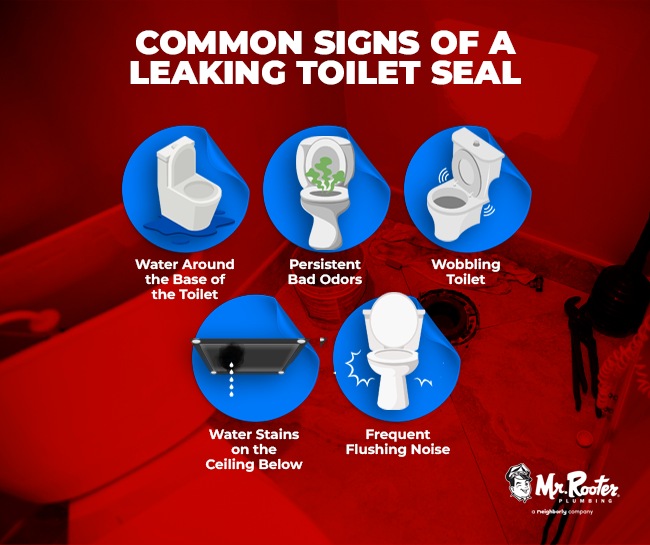
Common Signs of a Leaking Toilet Seal
Detecting a leaking toilet seal early can save you from costly repairs and potential water damage. This section covers visible and hidden signs that your seal might be compromised, along with practical detection methods to confirm the issue.
Water Around the Base of the Toilet
If you notice puddles forming around the base of the toilet, particularly after flushing, this is a primary indicator of a broken seal. The water may seep out due to gaps or wear in the wax ring.
💡 Tip: Dry the area around the toilet base and monitor it after each flush to confirm if the water reappears.
Persistent Bad Odors
A damaged toilet seal allows sewer gases to escape, creating a foul smell that doesn’t go away even with thorough cleaning. This smell is often described as a sewage-like or musty odor.
Wobbling Toilet
If the toilet rocks or shifts when you sit on it, the seal may be compromised. Movement can weaken the wax ring, leading to leaks over time.
💡 Pro Tip: Check the mounting bolts on either side of the toilet to ensure they are tight but not overly tightened, as this can crack the porcelain or compress the seal unevenly.
Water Stains on the Ceiling Below
For homes with multiple stories, leaks can often manifest as water stains or damage to the ceiling below the bathroom. This is a clear sign that water is escaping from the toilet’s base and finding its way through the flooring.
💡 Tip: Investigate ceiling stains promptly to avoid structural damage or mold growth.\
Frequent Flushing Noise
A silent leak caused by a damaged seal might cause the toilet to refill itself intermittently. This happens when water escapes from the tank into areas it shouldn’t, triggering the refill mechanism.
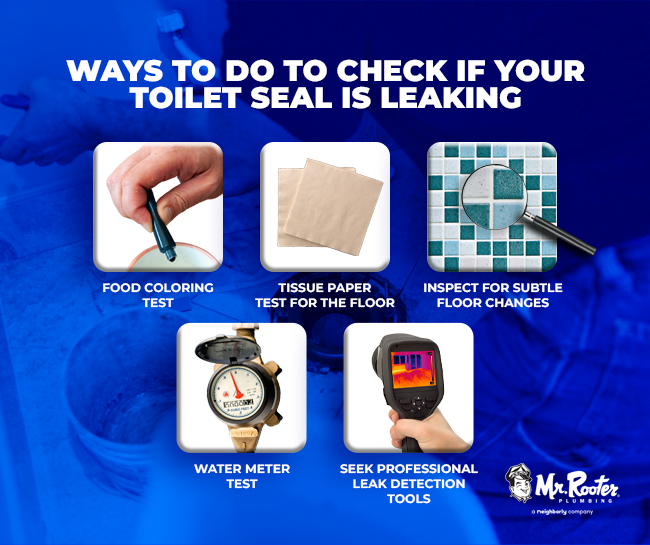
Ways To Do To Check If Your Toilet Seal Is Leaking
Silent leaks can be tricky to detect because they don’t always present visible signs. However, with the right tools and techniques, homeowners can identify these hidden problems effectively:
- Food Coloring Test
- Add 5–10 drops of food coloring into the toilet tank.
- Wait for about 15 minutes without flushing.
- Check the toilet bowl for any sign of the coloring. If the water in the bowl changes color, this indicates a leak.
This simple method highlights whether water is escaping from the tank due to a compromised seal or other internal issues.
- Tissue Paper Test for the Floor
- Place tissue paper around the base of the toilet after drying the area thoroughly.
- Flush the toilet and observe the tissue for dampness. Even slight moisture suggests a potential leak.
- Inspect for Subtle Floor Changes
- Look for discoloration, softness, or bubbling in the flooring material around the toilet base. These changes often point to a slow, hidden leak that has been seeping for some time.
- Water Meter Test
- Shut off all water-consuming appliances in the home.
- Observe your water meter for changes over an hour or two. Any movement on the meter suggests a leak somewhere in your plumbing, potentially from the toilet seal.
- Seek Professional Leak Detection Tools
- Leak detection tablets, available at hardware stores, can help pinpoint hidden leaks.
- Infrared moisture meters and thermal imaging cameras can locate unseen moisture or leaks in flooring and walls, ensuring you don’t overlook significant damage.
Using these methods, homeowners can not only identify silent leaks but also understand their severity, enabling swift and effective repairs.
When and Why to Replace a Toilet Seal
Toilet seals typically last 5–10 years, depending on usage and the material used. Signs that it’s time to replace the seal include:
- Persistent leaks despite repairs.
- Foul odors that don’t dissipate after cleaning.
- Visible wear or cracks during an inspection.
Regular maintenance and timely replacements can save homeowners from costly water damage and ensure a functional bathroom.
Identifying and addressing a leaking toilet seal promptly is essential to maintaining a dry, odor-free, and efficient bathroom. Recognizing the signs—such as water around the toilet base or a persistent bad smell—can help homeowners take quick action.
Preventive measures like regular inspections, proper installation, and the use of high-quality materials can significantly reduce the risk of leaks. If problems persist, consulting a professional ensures long-term solutions and peace of mind.
For more insights into bathroom maintenance and plumbing repairs, explore additional resources and guides to keep your home in top condition.
For a cleaner, leak-free bathroom, it’s important to pair proper maintenance with effective cleaning. Read “How to Drain Water from Toilet Bowl ” to ensure your toilet is ready for a thorough clean and stays in top condition!