A well-functioning pressure tank is crucial for a home’s water supply system, especially if you rely on a well. It ensures consistent water pressure, minimizes the wear on your pump, and contributes to the overall efficiency of your water system. However, like all mechanical components, pressure tanks can develop issues over time. Identifying the symptoms of a bad pressure tank early can save you from costly repairs and inconvenient disruptions. This guide will help you understand the role of a pressure tank, recognize common symptoms of failure, and provide tips on maintenance and replacement.
Understanding the Role of a Pressure Tank
A pressure tank, often referred to as a well pressure tank or water pressure tank, is a key component in a well water system. Its primary function is to maintain water pressure in your plumbing system, ensuring that water flows consistently from your faucets. Here’s how it works:
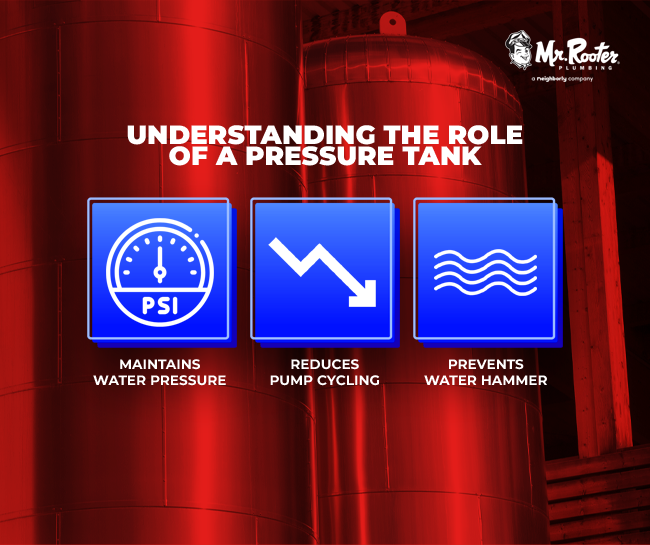
- Maintains Water Pressure: The pressure tank stores water and air under pressure. When you open a tap, the air pressure in the tank pushes water through your pipes, providing steady pressure.
- Reduces Pump Cycling: By storing water, the tank reduces the frequency with which your pump needs to turn on and off. This reduces wear and tear on the pump, extending its lifespan.
- Prevents Water Hammer: A well-functioning pressure tank helps prevent the “water hammer” effect, which can occur when the flow of water suddenly stops and causes pipes to bang.
💡 Proper maintenance of your pressure tank ensures that your well system operates efficiently, providing you with a reliable water supply and preventing premature failure of your well pump.
Common Symptoms of a Bad Pressure Tank
A failing pressure tank can disrupt your home’s water system. Identifying issues early helps prevent costly repairs and ensures consistent water pressure and system longevity.
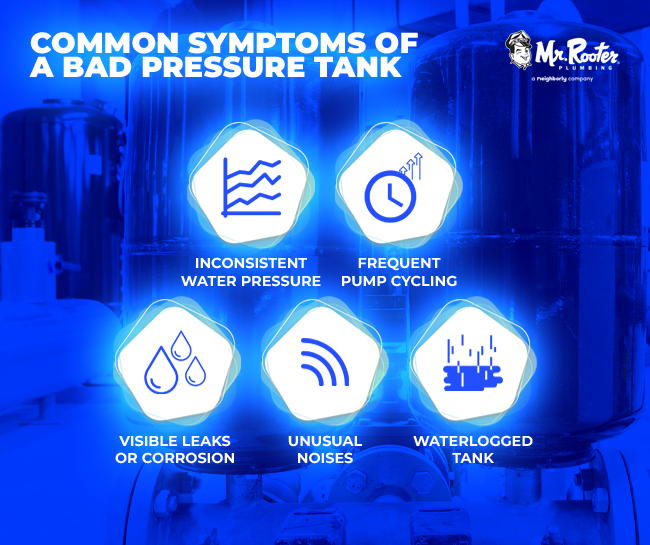
Inconsistent Water Pressure
One of the first signs of a bad pressure tank is inconsistent water pressure. You might notice fluctuating water pressure in your home, where it starts strong and then weakens or varies during use.
Frequent Pump Cycling
If your well pump turns on and off more frequently than usual, it could be a sign of a pressure tank problem. Frequent cycling puts additional strain on your pump, leading to premature failure.
Visible Leaks or Corrosion
Physical signs of damage, such as leaks or corrosion on the pressure tank, are clear indicators of trouble.
Unusual Noises
Knocking, banging, or other unusual noises coming from the pressure tank or the surrounding pipes can be symptoms of a bad pressure tank.
Waterlogged Tank
A waterlogged pressure tank is a common issue where the tank is filled with water, eliminating the air cushion needed for proper pressure regulation.
💡 By staying alert to these symptoms and taking action, you ensure a well-maintained pressure tank, leading to a reliable and efficient water supply and avoiding unforeseen issues.
How to Tell if Your Pressure Tank is Bad
Determining whether your pressure tank is failing is crucial for maintaining your water system’s efficiency. By performing simple tests and inspections, you can identify issues early and avoid extensive damage or costly repairs.
Testing the Air Pressure
Checking the air pressure in your pressure tank is a straightforward way to diagnose issues. Here’s how:
- Turn Off the Power: Turn off the power to the well pump.
- Drain the Tank: Open a faucet to drain water from the tank.
- Check the Pressure: Use an air pressure gauge to check the pressure at the tank’s air valve. It should be 2 psi below the cut-in pressure of your pump.
- Adjust if Necessary: If the pressure is too low, add air using an air compressor.
Inspecting for Physical Damage
Regular visual inspections can help you catch problems early. Look for:
- Rust and Corrosion: Check the exterior of the tank for signs of rust or corrosion.
- Leaks: Look for any water leaking from the tank or surrounding pipes.
Consulting a Professional
If you’re unsure about the condition of your pressure tank or if you notice any of the above symptoms, it’s best to consult a professional plumber or well technician. They can perform a thorough inspection and provide expert advice on whether to repair or replace your tank.
When to Replace a Water Pressure Tank
Pressure tanks typically last about 10-15 years, but this can vary based on factors like water quality and usage. Regular maintenance can help extend the lifespan of your tank.
Signs It’s Time for Replacement
Consider replacing your pressure tank if you notice:
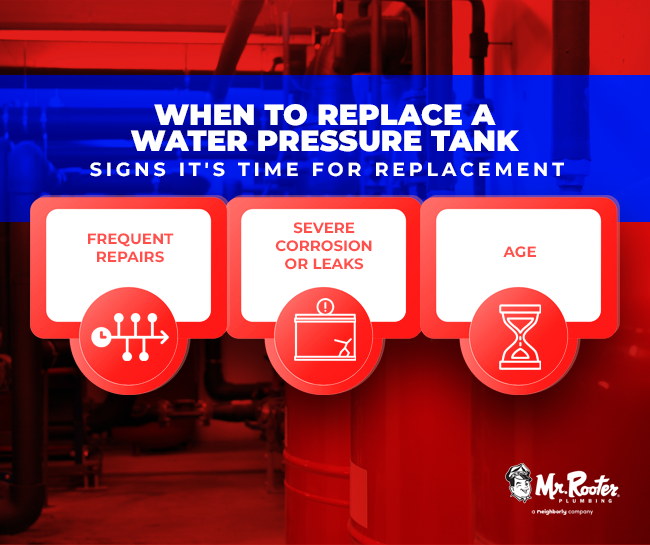
- Frequent Repairs: Constantly needing repairs is a sign that the tank is nearing the end of its lifespan.
- Severe Corrosion or Leaks: Extensive rust or leaks that cannot be easily repaired indicate that replacement is necessary.
- Age: If your tank is over 15 years old, it’s wise to consider a replacement before it fails.
A well-maintained pressure tank is essential for the efficient operation of your home’s water system. By understanding the symptoms of a bad pressure tank, performing regular maintenance, and knowing when to replace the tank, you can ensure a consistent and reliable water supply. Stay proactive in monitoring your pressure tank’s condition and consult a professional when needed to avoid costly repairs and disruptions.