If you live in an older house, you probably have cast iron pipes. It’s important to know when these pipes are in trouble because they’re a big part of your plumbing. This guide will help you understand how to tell if cast iron pipe is bad, spot problems early, and make smart choices about fixing or replacing them.
The Basics of Cast Iron Pipes in Homes
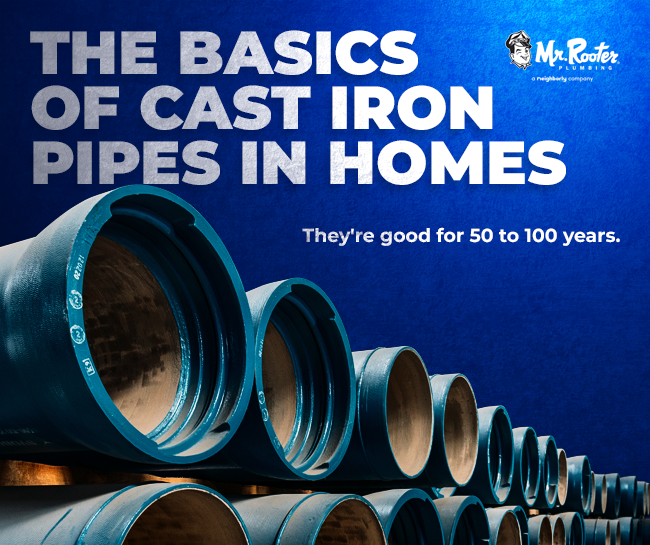
Cast iron pipes have been used in houses for a long time because they last. Usually, they’re good for 50 to 100 years, but this can change based on how they’re used and where you live. Knowing this helps you keep an eye on them and avoid bigger problems later.
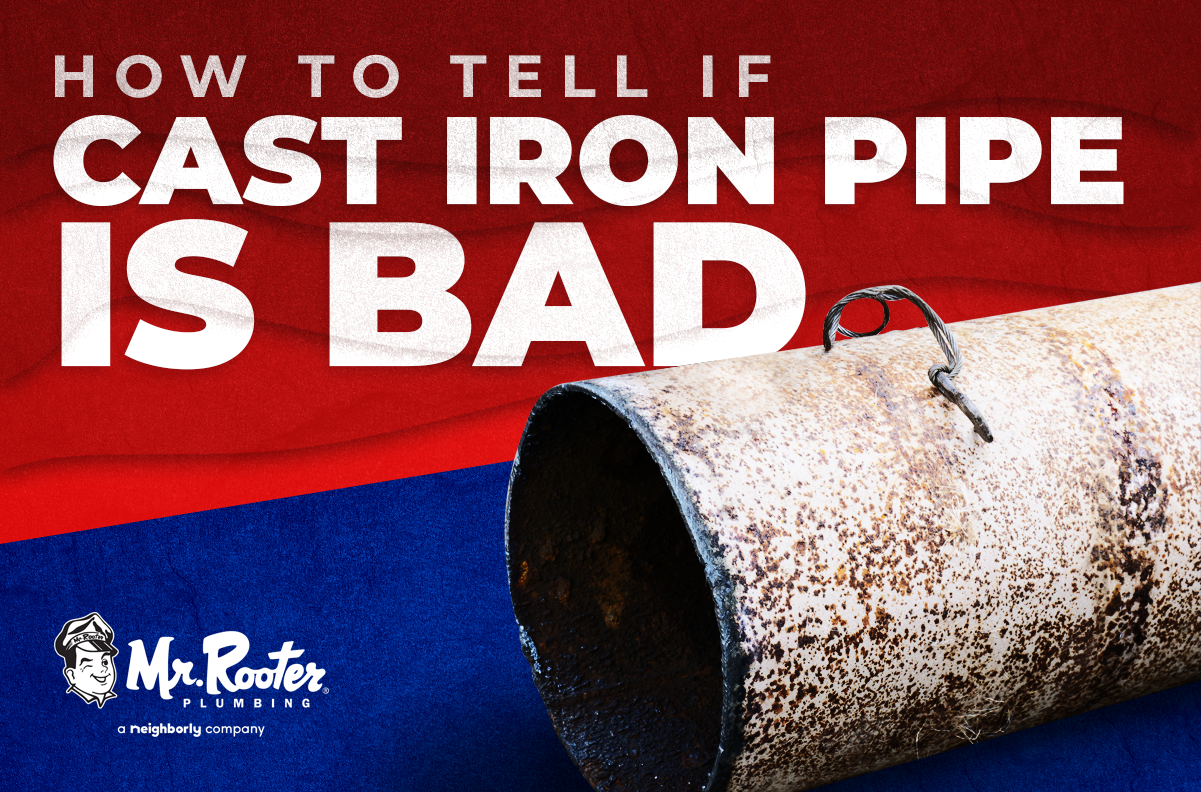
Identifying Signs of a Bad Cast Iron Pipe
- Rust formation: Look for any orange or brownish discoloration.
- Cracks or fractures: Visible lines or splits on the pipe’s surface.
- Flaking or scaling: Pieces of the pipe’s surface peeling away.
- Pitting: Small, localized holes or cavities on the pipe.
- Discolored water: Brown or rusty water coming from taps.
- Persistent clogs: Frequent blockages that don’t resolve easily.
- Reduced water pressure: A noticeable drop in water flow.
- Sediment in water: Visible particles or debris in the water.
- Gurgling sounds: Noises coming from drains or toilets.
- Sewage smells: Foul odors indicating possible leaks or backups.
- Damp spots: Unexplained wet areas near piping.
- Mold growth: Mold or mildew near pipes, indicating moisture issues.
- Water stains: Discoloration on walls or ceilings near pipes.
- Unexplained increase in water usage: Could indicate hidden leaks.
How to Test Your Cast Iron Pipes
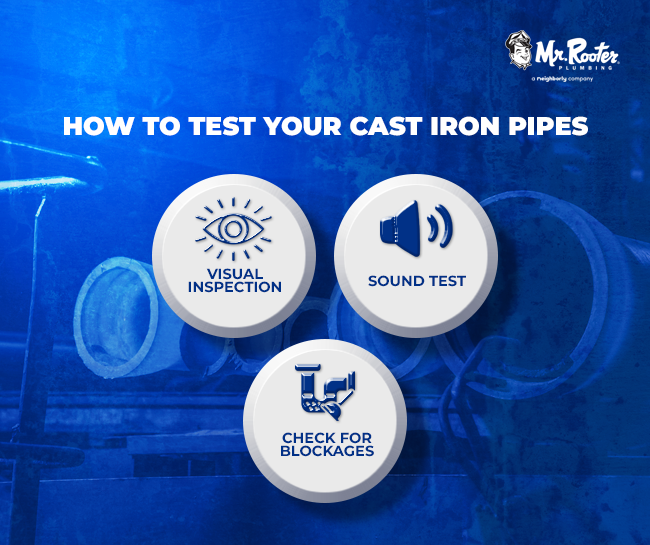
Testing your cast iron pipes involves a combination of visual inspections, simple tests, and sometimes professional evaluations. Here’s how you can do it:
- Visual Inspection:
- Start with a thorough visual check of any exposed cast iron pipes. Look for signs of rust, cracks, or any deformities.
- Check for leaks. Even small drips can indicate bigger issues inside the pipe.
- Sound Test:
- Gently tap the pipes with a piece of metal. Healthy cast iron should produce a clear, resonant sound. A dull thud might indicate deterioration.
- Check for Blockages:
- Monitor how well your drains are working. Slow drainage can suggest blockages or internal damage to the pipes.
- Use a plumber’s snake to feel for obstructions or rough spots inside the pipes.
Professional Inspection:
For a more thorough assessment, consider hiring a plumber to conduct a video inspection. This involves sending a camera down the pipes to check their internal condition.
💡 Plumbers can also conduct pressure tests to identify hidden leaks or weaknesses.
Addressing Issues with Cast Iron Pipes
Once you’ve identified issues with your cast iron pipes, here are steps to address them:
- For minor rust and corrosion, use a wire brush to clean the pipe and then apply a rust-inhibiting paint.
- Small leaks can sometimes be patched with epoxy putty or a pipe repair clamp.
- For more serious damage, a plumber might suggest pipe relining, where a new pipe lining is inserted inside the old pipe.
- In cases of severe deterioration, replacing sections of the pipe or the entire system might be the only solution.
- Keep an eye on the condition of your pipes regularly. Early detection of minor issues can prevent major repairs.
- Schedule annual or bi-annual inspections with a professional plumber to ensure the health of your plumbing system.
Dealing with Serious Pipe Damage
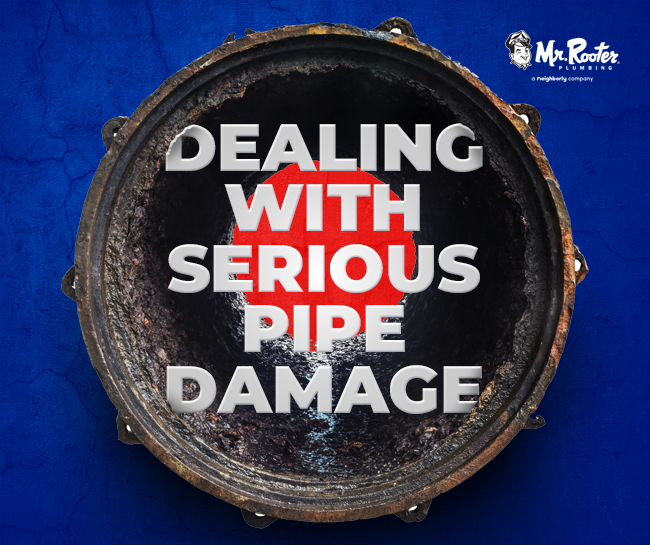
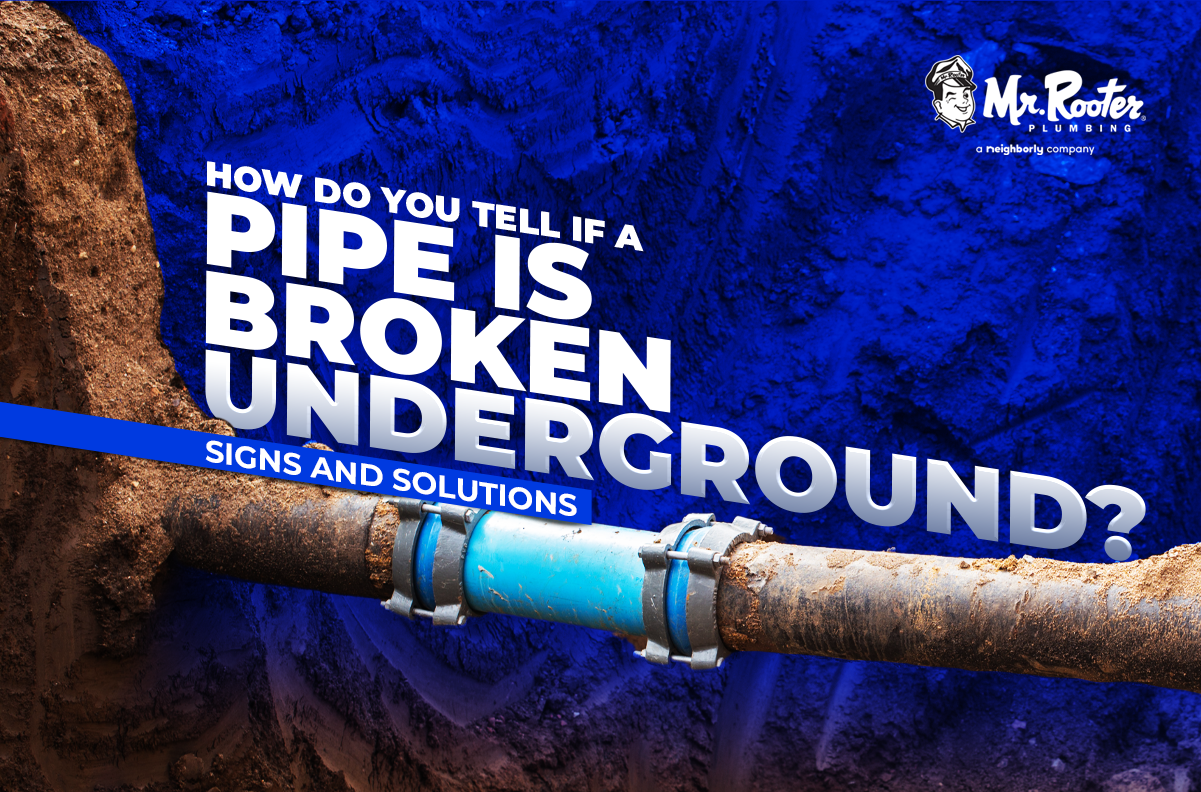
If a pipe collapses, it’s a big deal. You’ll notice things like water not draining or dips in your yard. This needs immediate attention from a professional. Things like tree roots can also make pipe problems worse.
Keeping an eye on your cast iron pipes is key to a smooth-running plumbing system. Regular checks and knowing how to tell if cast iron pipe is bad can save you from big headaches and expenses. And remember, if things seem complicated, it’s always smart to ask a pro for help.