Knowing the age of your cast iron pipes is key to preventing plumbing issues. This guide helps homeowners and commercial space owners identify pipe age, recognize failure signs, and understand pipe lifespan, ensuring long-lasting and efficient plumbing systems. By staying informed, you can avoid costly repairs and maintain your property’s plumbing integrity.
Understanding Cast Iron Pipes
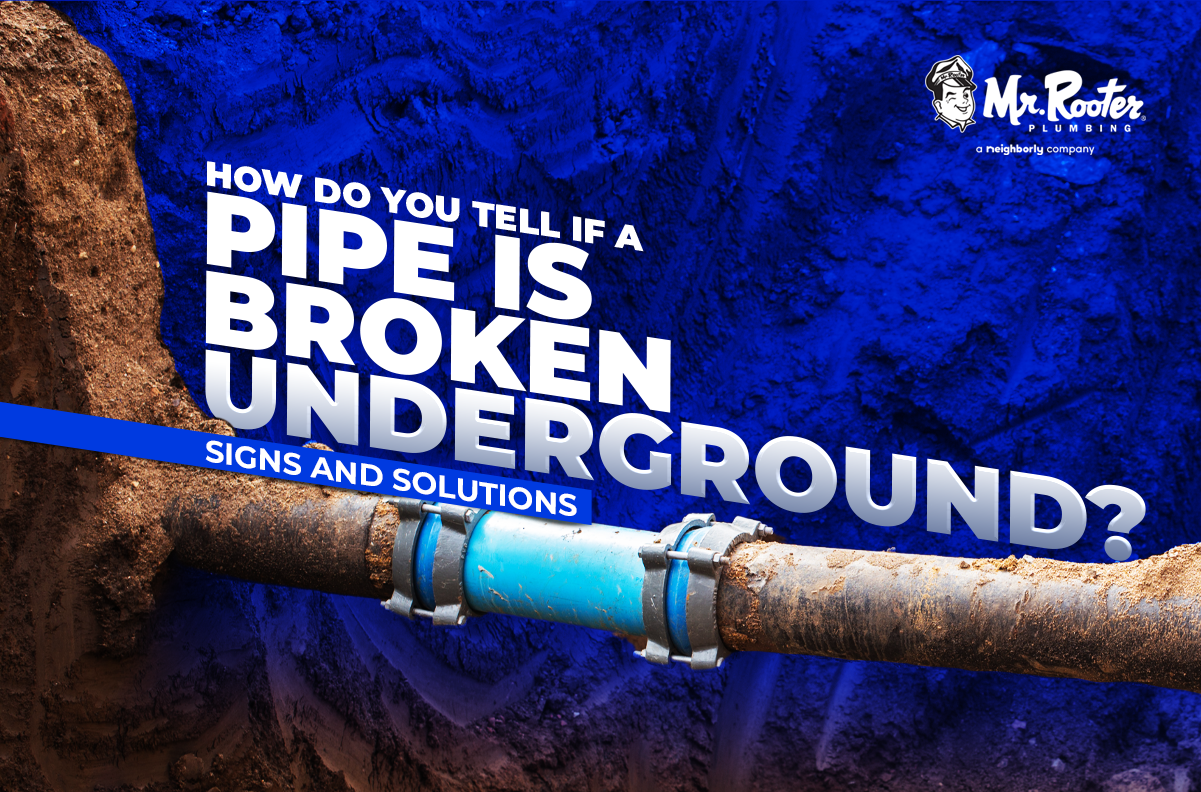
Cast iron pipes have been a staple in plumbing systems for centuries, known for their durability and longevity. Historically, cast iron pipes were widely used in both residential and commercial properties due to their strength and ability to withstand high pressure. They were commonly installed in buildings constructed before the 1970s.
Benefits of Cast Iron Pipes:

- Durability: Cast iron pipes can last for decades, often exceeding 50 years.
- Noise Reduction: These pipes are excellent at dampening the sound of water flow, providing quieter plumbing systems.
- Fire Resistance: Cast iron is non-combustible, offering added safety in the event of a fire.
Drawbacks of Cast Iron Pipes:
- Corrosion: Over time, cast iron can corrode, leading to leaks and potential pipe failures.
- Weight: Cast iron pipes are heavy and can be challenging to install and replace.
- Cost: While durable, the cost of installation and replacement can be higher compared to modern materials like PVC.
How to Tell the Age of Cast Iron Pipes
Determining the age of your cast iron pipes involves a few key steps. Here’s a detailed guide to help you through the process:
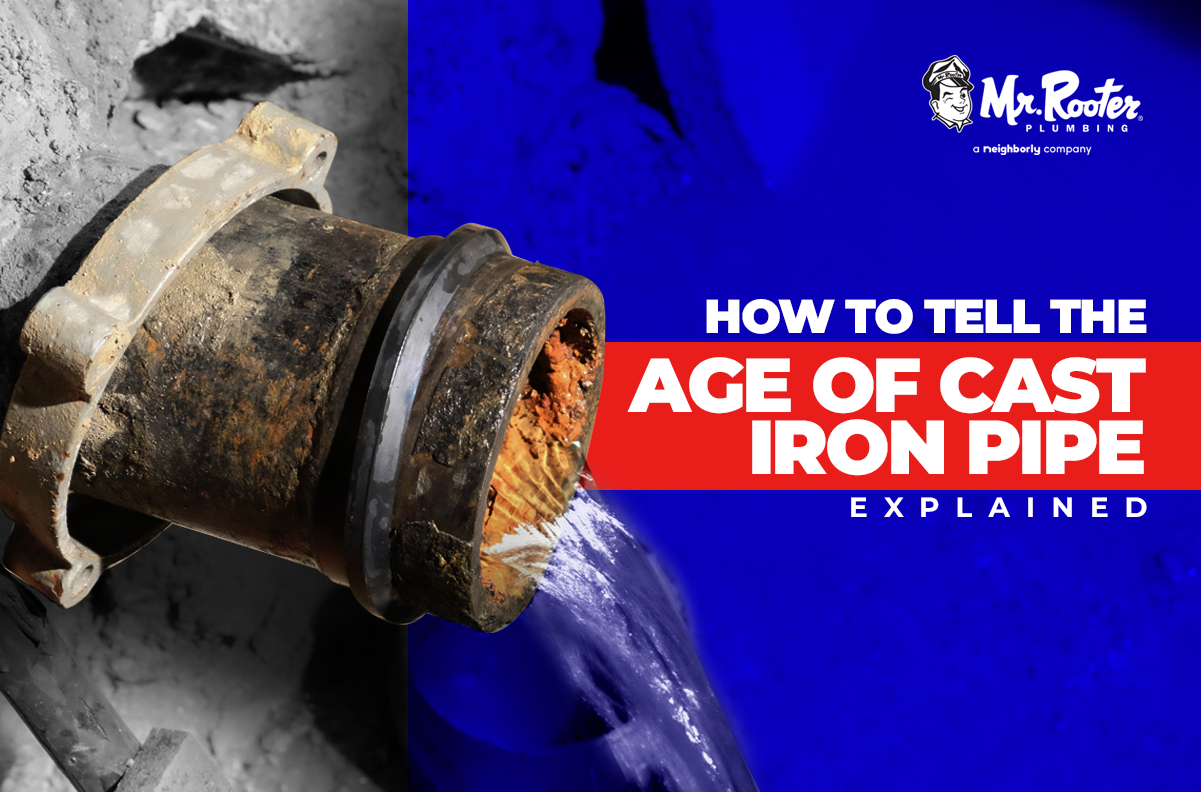
Visual Inspection: Start with a thorough visual inspection of your pipes. Look for any signs of rust, corrosion, or wear and tear. Older pipes often show significant signs of aging, such as:
- Surface Rust: Indicates the pipe has been exposed to moisture for an extended period.
- Discoloration: Dark, flaky patches can be a sign of advanced corrosion.
- Structural Integrity: Look for any cracks or bulges in the pipe, which can indicate weakening.
- Manufacturing Markings and Codes: Cast iron pipes often have manufacturing markings or codes that can help identify their age. These markings can include the manufacturer’s name, date of manufacture, and material specifications. To decode these markings:
- Locate the Markings: Check the exterior of the pipe for any stamped or embossed numbers or letters.
- Research the Codes: Use online resources or contact the manufacturer (if still in business) to interpret the codes.
- Consulting Property Records and Historical Data: Another way to determine the age of your cast iron pipes is by consulting property records and historical data. These records can provide insights into when the plumbing system was installed. Steps to follow:
- Property Deeds and Blueprints: Check the original property deeds and blueprints for any notes on plumbing installations.
- Local Archives: Visit your local city or county archives to access historical building permits and records.
Signs of Cast Iron Pipe Failure

Recognizing the signs of cast iron pipe failure is crucial for timely intervention and repair. Here are common indicators that your pipes may be failing:
- Leaks: Visible water leaks or damp spots around the pipes.
- Slow Drains: Reduced water flow or frequent clogging.
- Unpleasant Odors: Musty or sewage smells indicating potential leaks or pipe damage.
- Discoloration: Dark, flaky patches on the pipes suggest advanced corrosion.
- Noise: Unusual sounds like clanking or gurgling from the pipes.
Importance of Regular Maintenance and Professional Inspections:
Regular maintenance and professional inspections are key to prolonging the life of your cast iron pipes. Consider scheduling annual check-ups with a professional plumber to identify and address any issues early on. Preventive measures, such as descaling and internal pipe lining, can help mitigate corrosion and extend the lifespan of your pipes.
Lifespan of Cast Iron Pipes
The lifespan of cast iron pipes varies depending on several factors. On average, cast iron pipes can last between 50 to 100 years, with those installed underground tending towards the lower end of this range.
Factors Affecting Longevity:
- Soil Conditions: Acidic or alkaline soils can accelerate corrosion.
- Water Quality: Hard water with high mineral content can cause internal scaling and reduce pipe longevity.
- Maintenance Practices: Regular maintenance and prompt repairs can significantly extend the life of your pipes.
Tips for Extending the Lifespan of Your Pipes:
- Water Softening: Use water softeners to reduce mineral buildup.
- Descaling Treatments: Periodically treat pipes to remove internal scaling.
- Protective Coatings: Apply protective coatings to the exterior of pipes to prevent rust and corrosion.
Knowing the age of your cast iron pipes, recognizing signs of failure, and understanding their lifespan are essential for maintaining a reliable plumbing system. Regular inspections and proactive maintenance can help you avoid costly repairs and extend the life of your pipes. Don’t wait until a problem arises—take the necessary steps now to ensure your plumbing system remains in good condition. For professional assessments and maintenance, consider scheduling regular inspections with a licensed plumber. Your pipes—and your wallet—will thank you.