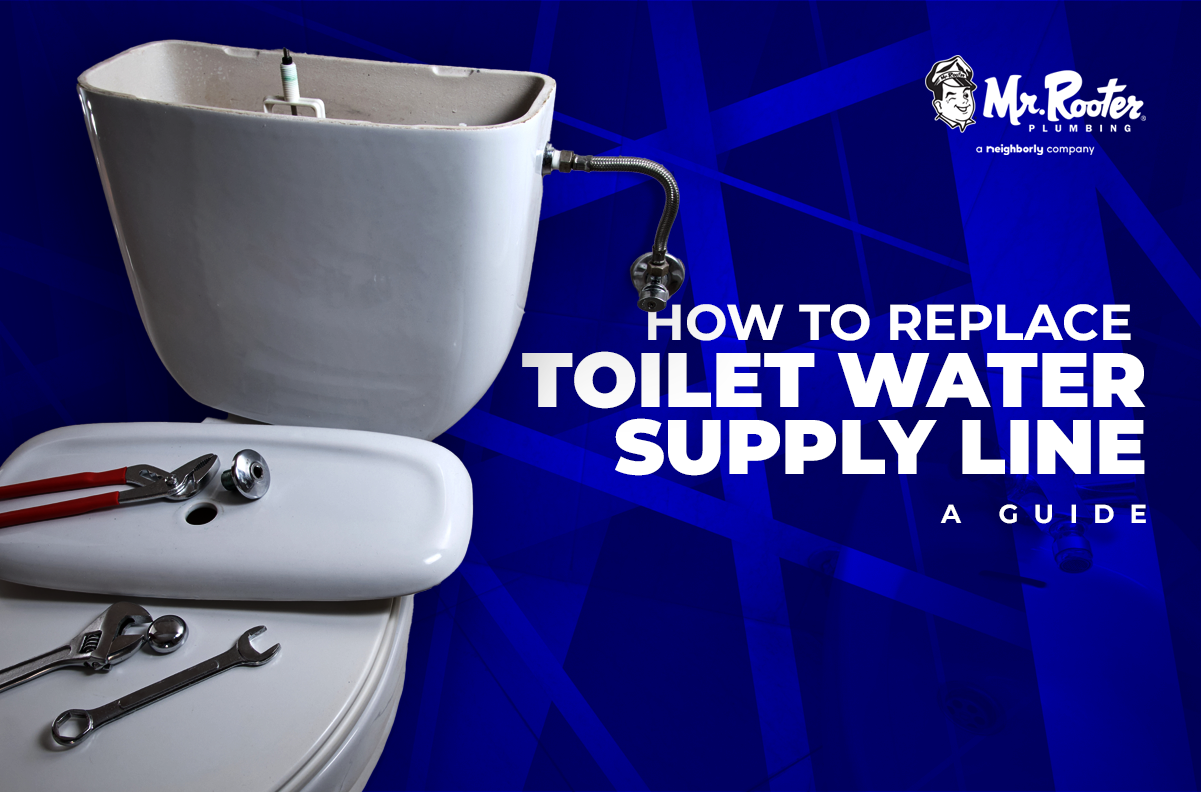
A functional toilet water supply line is crucial for the efficient operation of your bathroom’s plumbing system. It ensures a continuous and controlled flow of water to your toilet. In this guide, we’ll walk through the steps required to replace your toilet water supply line, a simple yet important task. This process can be tackled by anyone with basic tools and a willingness to learn. Let’s get started!
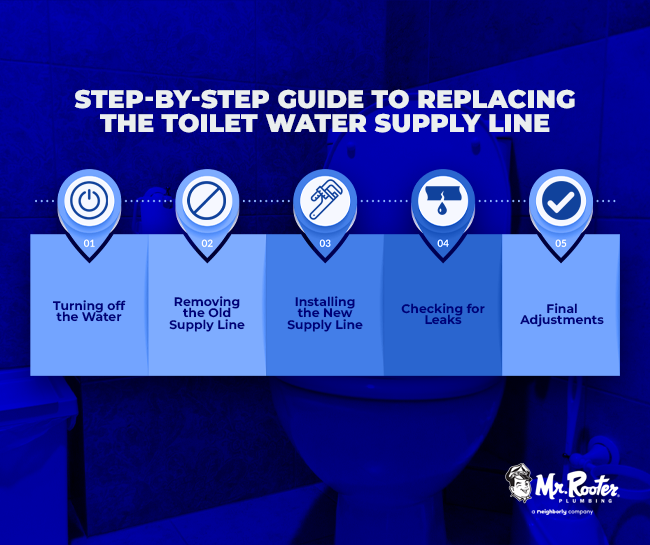
Step-by-Step Guide to Replacing the Toilet Water Supply Line
Before we dive into the specifics, here’s a quick preface: Replacing your toilet water supply line is a straightforward DIY task. With a few simple tools and this guide, you’ll be equipped to handle it confidently and efficiently.
Step 1: Turning off the Water
First, locate the shutoff valve near the toilet. Turn it clockwise to close it completely, stopping the flow of water to the supply line.
Step 2: Removing the Old Supply Line
Place your towel or bucket under the supply valve to catch any dripping water. Use your adjustable wrench to loosen the nuts connecting the supply line to the toilet and valve. Remove the supply line and set it aside.
Step 3: Installing the New Supply Line
Take your new supply line and apply Teflon tape to the threads of the connectors if recommended by the manufacturer. Attach one end of the supply line to the shutoff valve and the other end to the toilet’s fill valve. Hand-tighten the connectors, then use the wrench to snug them up without over-tightening.
Step 4: Checking for Leaks
Turn the water supply back on by turning the shutoff valve counterclockwise. Watch for any leaks at both connection points. If you see any leakage, slightly tighten the connections until the leak stops.
Step 5: Final Adjustments
Flush the toilet to ensure that the water flows properly without any leaks. Make any necessary adjustments to the supply line position to avoid kinking.
When to Call a Professional
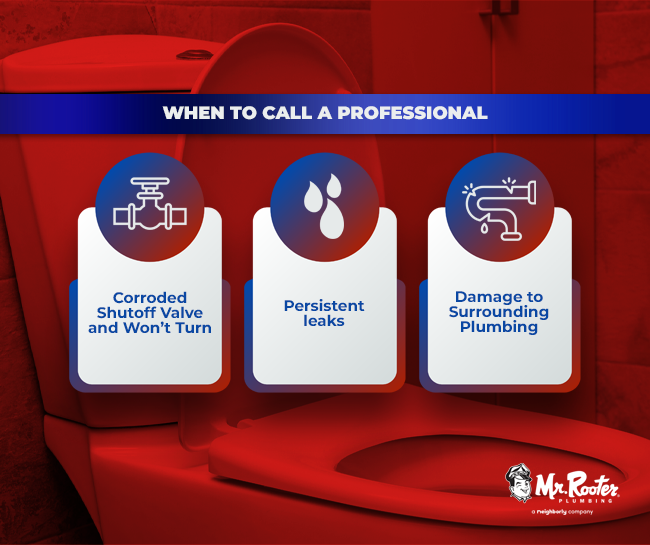
While replacing a toilet water supply line is straightforward, certain situations require a professional plumber:
- If the shutoff valve is corroded or won’t turn.
- Persistent leaks after multiple adjustments.
- Any damage to surrounding plumbing when removing the old supply line.
💡 Choosing the right plumber involves checking for licensure, reading reviews, and getting a quote beforehand.
Replacing your toilet water supply line can seem daunting, but with the right tools and a bit of patience, it’s a manageable task. Regularly check and maintain other parts of your bathroom’s plumbing to prevent future issues. Remember, when in doubt, don’t hesitate to call a professional.