Have you ever turned on your hot water only to be greeted by an unpleasant rotten egg smell? This common issue in water heaters can be off-putting and concerning. But fear not! This guide is designed to help homeowners like you tackle this problem head-on, ensuring your water heater runs smoothly and your water stays fresh.
Causes of Rotten Egg Smell
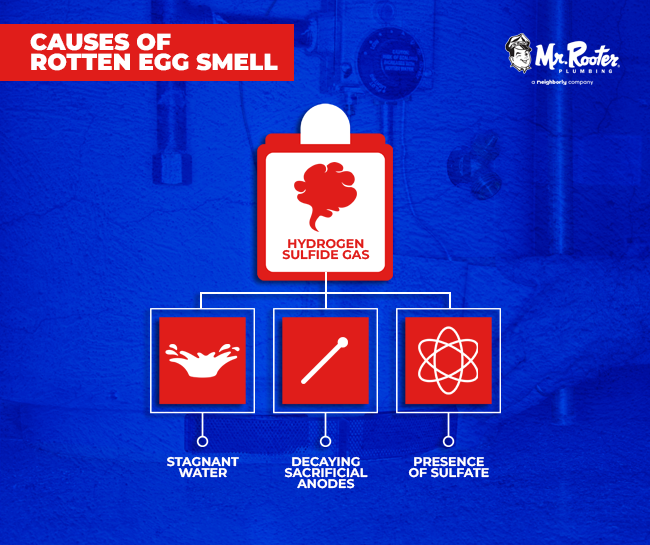
The culprit behind this foul odor is usually hydrogen sulfide gas. This gas is produced when bacteria in your water heater interact with sulfur in the water, creating that notorious rotten egg smell. Several factors contribute to this issue, including stagnant water, decaying sacrificial anodes, and the presence of sulfate in your water supply.
Step-by-Step Guide to Remove the Smell
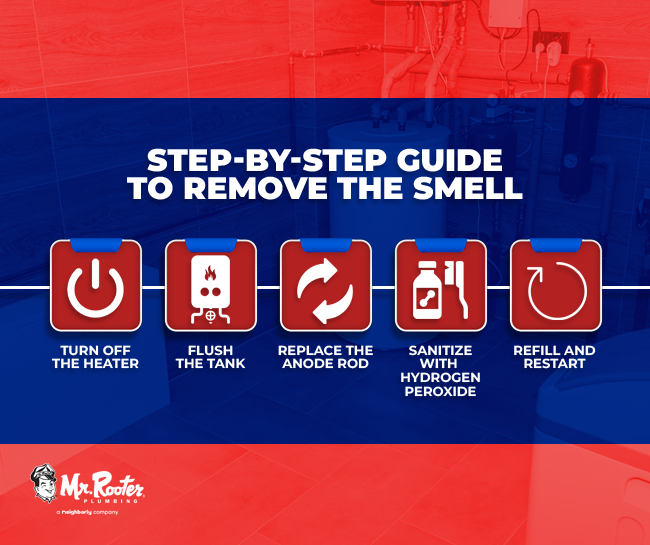
Removing the rotten egg smell from your water heater involves a few detailed steps. Here’s a comprehensive guide to ensure you tackle the problem effectively:
- Turn Off the Heater: Safety first! Ensure your water heater is turned off before starting any work.
- Flush the Tank: Drain the water heater tank to remove any sediment that might be harboring bacteria. Attach a hose to the drain valve and let the water run until it’s clear.
- Replace the Anode Rod: The anode rod in your water heater can be a breeding ground for sulfur bacteria. Replacing it with an aluminum-zinc alloy rod can help reduce the smell.
- Sanitize with Hydrogen Peroxide: Instead of bleach, which can be harsh, use hydrogen peroxide to sanitize your tank. Add 1 to 2 pints of 3% hydrogen peroxide per 40 gallons of water capacity. Fill the tank and let it sit for two hours.
- Refill and Restart: After the sanitization process, refill your water heater and turn it back on. Check if the smell persists.
💡 By following these detailed steps, you can effectively remove the unpleasant sulfur smell from your water heater. Remember, regular maintenance is key to preventing this issue in the future
Preventive Measures

Regular maintenance is key to preventing the recurrence of this issue. Here are some tips:
Regular Flushing: Flush your water heater tank every six months to prevent sediment buildup.
Check the Anode Rod: Inspect the anode rod annually and replace it when necessary.
Water Softeners: Consider installing a water softener if your water has a high mineral content.
Regular Temperature Checks: Keep your water heater at an optimal temperature (around 130-140°F) to inhibit bacterial growth.
💡 Prevention is the key to a trouble-free plumbing. Regular maintenance keeps issues at bay.
When to Call a Professional
If the smell persists after following these steps, it might be time to call in a professional. Persistent issues could indicate more complex problems like a tank leak or deep-seated bacterial contamination.
FAQs
Q: Can the rotten egg smell be harmful to my health?
A: While unpleasant, the smell itself is not harmful. However, it’s important to address the underlying issue to ensure water quality.
Q: How often should I replace the anode rod?
A: Typically, anode rods should be replaced every 3-5 years, but this can vary based on water quality and usage.
Eliminating the rotten egg smell from your water heater is crucial for a comfortable and healthy home environment. Regular maintenance and understanding the causes can go a long way in preventing this issue. Remember, when in doubt, don’t hesitate to consult a professional. Keep your water heater in top shape, and enjoy fresh, odor-free water in your home.
Ready to give your water heater the attention it deserves? Connect with Clogged Drain Pipes for a no-obligation conversation about how we can address your water heater concerns. We offer clear advice, transparent pricing, and solutions tailored to your needs. Request a consultation now!