A fresh-smelling kitchen is essential for maintaining a pleasant home environment, and a crucial part of this is ensuring that your garbage disposal is free from bad odors. A smelly garbage disposal can be a major nuisance, often resulting from trapped food particles and bacteria buildup. This guide will provide you with effective methods and practical tips to eliminate these odors, ensuring your kitchen stays fresh and clean.
In this guide, we will explore the common causes of bad smells in garbage disposals, step-by-step deodorizing methods, and preventative maintenance tips. By following these simple yet effective strategies, you can keep your garbage disposal in top condition and your kitchen smelling great.
Common Causes of Bad Smells in Garbage Disposals
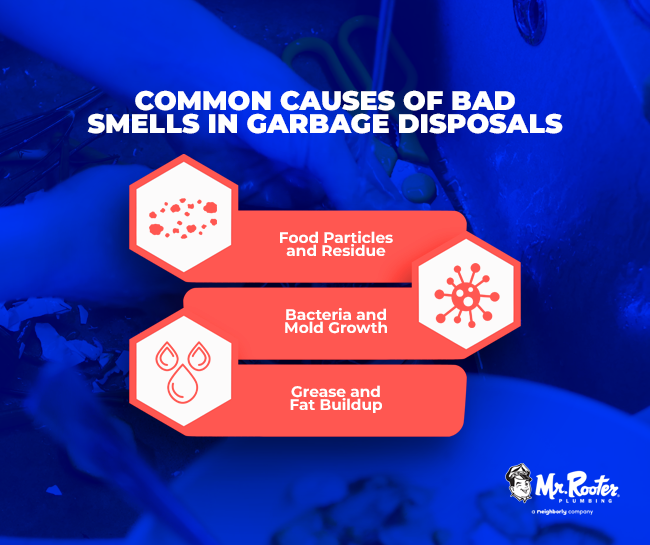
Understanding the root causes of bad smells in your garbage disposal is the first step toward addressing the issue effectively. Here are the most common culprits:
Food Particles and Residue
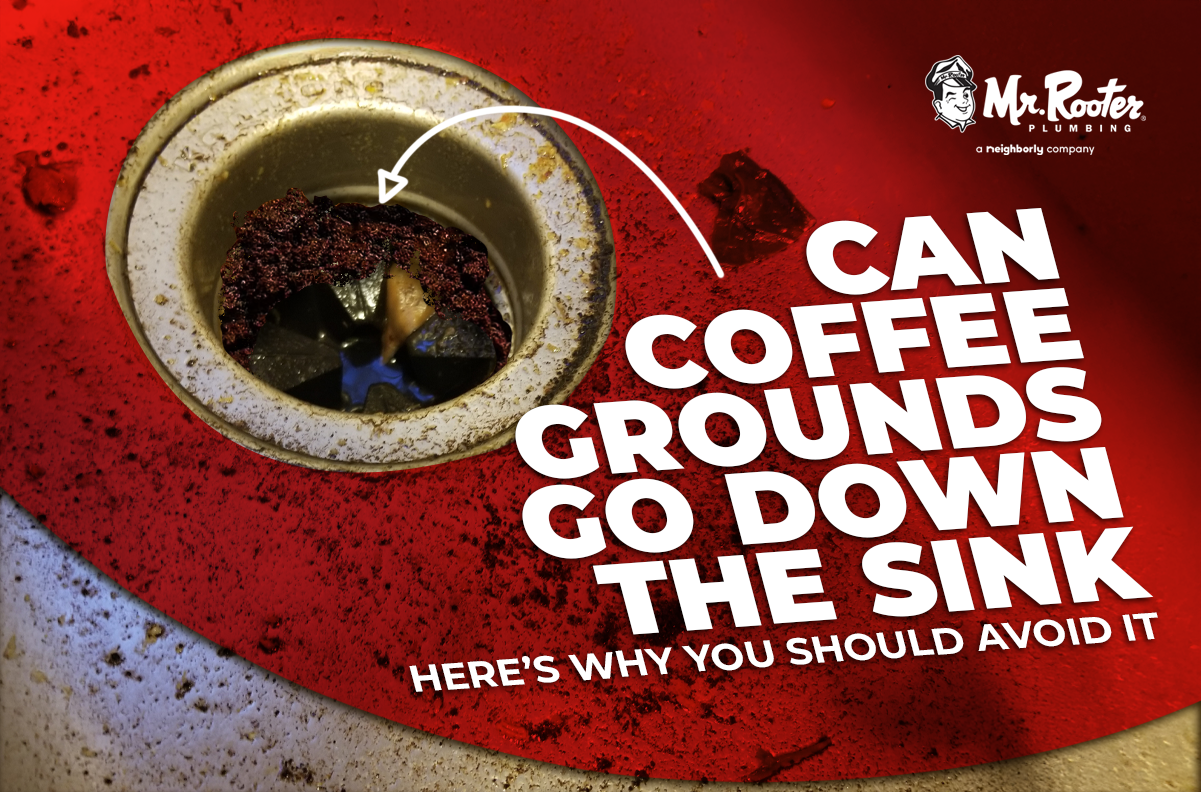
Food particles that get trapped in the blades and other components of your garbage disposal can start to decay, leading to unpleasant odors. Over time, these particles can accumulate and create a persistent smell that is difficult to eliminate.
Bacteria and Mold Growth
The moist environment inside a garbage disposal is an ideal breeding ground for bacteria and mold. As these microorganisms multiply, they can produce foul odors that permeate your kitchen. Regular cleaning and proper maintenance are essential to keep bacteria and mold at bay.
Grease and Fat Buildup
Grease and fat from food can coat the interior surfaces of your garbage disposal, creating a sticky residue that traps food particles and fosters bacterial growth. This buildup not only causes bad smells but can also lead to clogs and other operational issues.
💡 Understanding these causes helps you take proactive steps to keep your kitchen smelling fresh and clean, ensuring a pleasant environment.
How to Deodorize the Garbage Disposal
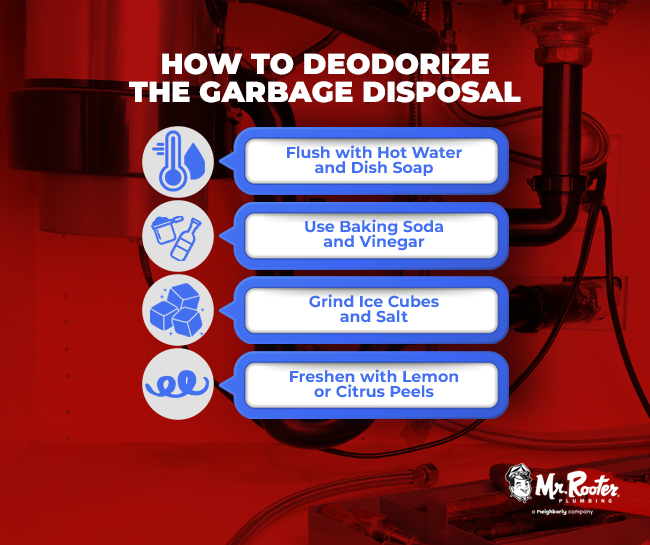
To effectively deodorize your garbage disposal, follow these step-by-step instructions. Each method targets different sources of odor, ensuring a thorough clean.
- Flush with Hot Water and Dish Soap
- Start by running hot water through your garbage disposal for a few minutes. This helps to loosen and wash away any loose debris.
- Add a few drops of dish soap while the hot water is running. Dish soap helps to cut through grease and remove food particles stuck to the blades and interior surfaces.
- Turn on the garbage disposal and let it run for about 30 seconds to ensure a thorough clean.
- Use Baking Soda and Vinegar
- Pour half a cup of baking soda into the garbage disposal. Baking soda is a natural deodorizer that can neutralize odors.
- Follow this with one cup of white vinegar. The vinegar reacts with the baking soda, creating a fizzy action that helps to dislodge stubborn debris and eliminate odors.
- Let the mixture sit for 10-15 minutes to allow the reaction to work its magic.
- Flush with hot water to rinse away any remaining residue.
- Grind Ice Cubes and Salt
- Place a handful of ice cubes and a tablespoon of salt into the garbage disposal. Ice helps to clean the blades and interior surfaces by scraping away buildup.
- Turn on the garbage disposal and let it run until the ice is completely ground up. The salt acts as a mild abrasive, enhancing the cleaning effect.
- Finish by running cold water to flush out the dislodged debris.
- Freshen with Lemon or Citrus Peels
- Cut a lemon or any citrus fruit into small wedges.
- Drop the wedges into the garbage disposal and run it for a few seconds. Citrus peels release natural oils that not only deodorize but also leave a fresh scent.
- Rinse with cold water to wash away any remaining citrus pieces.
Preventative Maintenance Tips
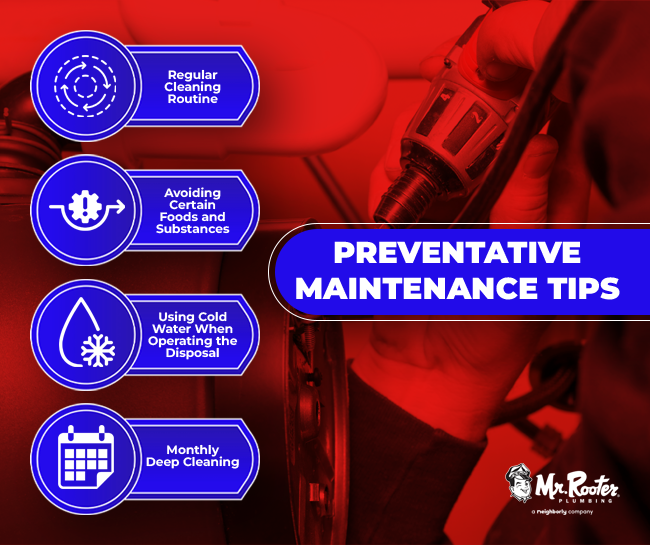
Preventing bad smells in your garbage disposal is easier than dealing with them after they develop. Implement these preventative measures to keep your disposal odor-free:
Regular Cleaning Routine
Establish a regular cleaning routine to prevent buildup. At least once a week, flush your garbage disposal with hot water and dish soap. For a deeper clean, use baking soda and vinegar monthly.
Avoiding Certain Foods and Substances
Be mindful of what you put down your garbage disposal. Avoid disposing of fibrous foods like celery and corn husks, as well as starchy foods like pasta and potato peels. These items can cause clogs and create odor issues. Additionally, refrain from pouring grease and fat down the disposal.
Using Cold Water When Operating the Disposal
Always use cold water when running your garbage disposal. Cold water helps to solidify any grease or fat, making it easier for the blades to chop and push it down the drain. Hot water, on the other hand, can melt grease, causing it to coat the interior surfaces and trap food particles.
Monthly Deep Cleaning
Perform a deep cleaning of your garbage disposal at least once a month. Use a combination of baking soda, vinegar, ice cubes, and citrus peels to ensure a thorough clean. This routine will help to remove any accumulated debris and keep your disposal smelling fresh.
Maintaining a fresh-smelling garbage disposal is essential for a clean and pleasant kitchen environment. By understanding the common causes of bad smells and following the deodorizing methods and preventative tips outlined in this guide, you can ensure that your garbage disposal remains in top condition. Regular cleaning and mindful usage are key to preventing odors and ensuring your kitchen stays fresh.