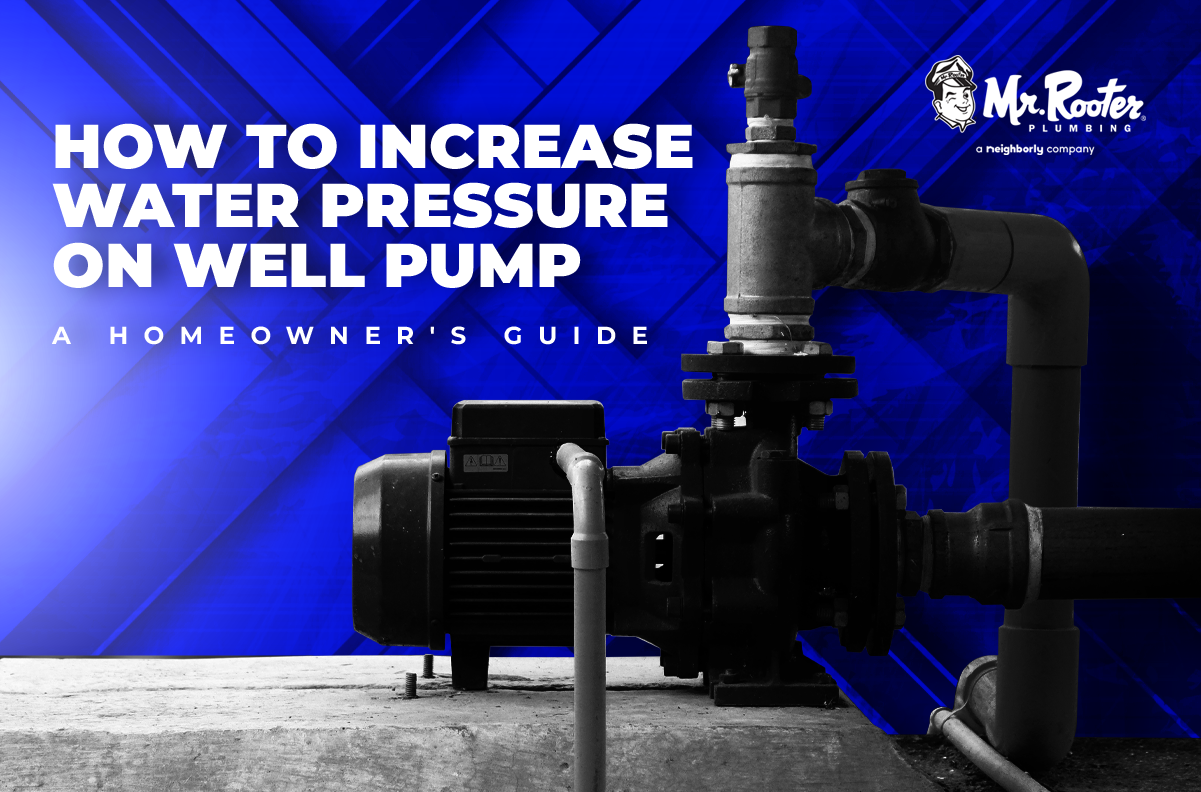
Experiencing low water pressure in a home that relies on a well pump is more common than one might think. It’s a frustrating issue that can affect everything from your morning shower to watering your garden. But what causes this decrease in pressure? Often, the culprits include aging equipment, clogged filters, or even a poorly adjusted pressure switch. This guide will walk you through understanding your well pump system, diagnosing common causes of low pressure, and providing actionable solutions to enhance your water pressure efficiently and safely.
Understanding Your Well Pump System
A well pump system is more complex than just a pump drawing water from the ground. It involves several key components: the pump itself, a pressure tank, pipes, and a pressure switch, among others. Water pressure is generated by the pump, which moves water into the pressure tank where it is stored until needed. The pressure switch is crucial here; it tells your pump when to turn on and off based on the water pressure in the tank.
Common Causes of Low Water Pressure
Low water pressure can stem from various issues, ranging from clogged sediment filters to malfunctioning pressure tanks. Recognizing the symptoms early can save you from a full-blown water crisis. Here are a few common signs:
- Water trickles out of taps instead of flowing.
- Shower water pressure drops intermittently.
- Appliances that use water take longer to fill or operate.
Common culprits include:
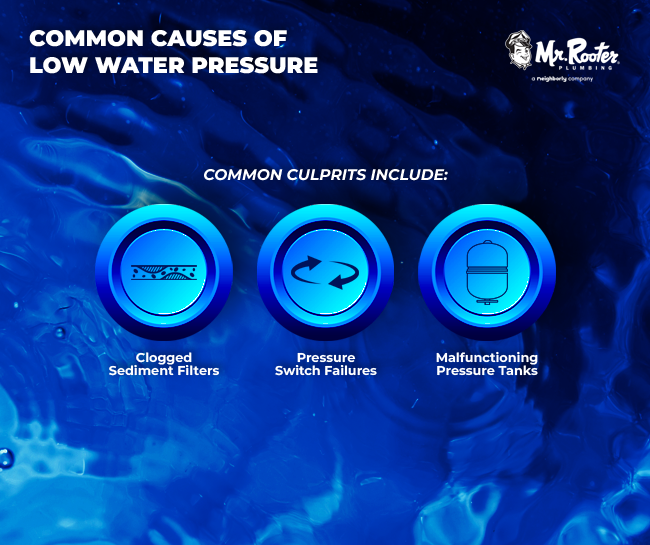
- Clogged Sediment Filters: Over time, sediment and debris can clog filters, restricting water flow.
- Pressure Switch Failures: A faulty pressure switch may not correctly regulate water pressure.
- Malfunctioning Pressure Tanks: If the tank’s air bladder is damaged, it can affect pressure levels.
How to Increase Water Pressure on Well Pump
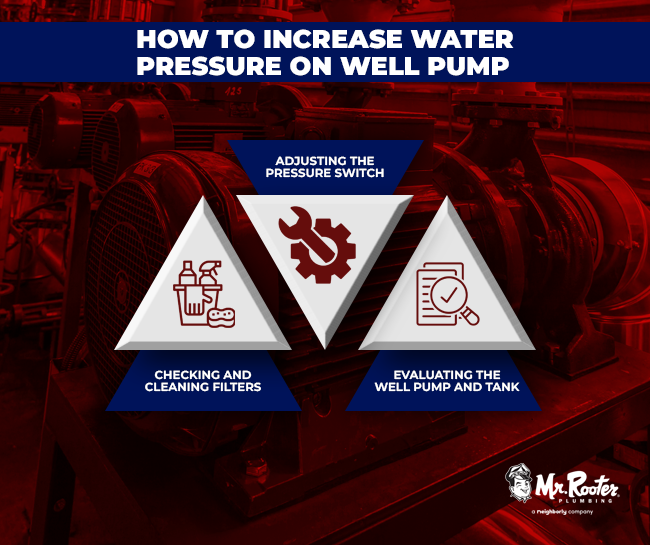
Improving your water pressure involves several steps, from simple adjustments to more comprehensive system evaluations.
- Checking and Cleaning Filters:
Start by inspecting your system’s sediment filter. Cleaning or replacing a clogged filter can significantly improve water flow.
- Adjusting the Pressure Switch:
This switch controls when your pump activates to maintain water pressure. Adjusting it can sometimes solve pressure issues, but it requires precise handling to avoid further problems.
- Evaluating the Well Pump and Tank:
Ensure your pump is functioning correctly and that your pressure tank’s air bladder is intact and properly pressurized.
💡 If these steps don’t resolve the issue, it might be time to consider upgrading your system. Modern well pumps and pressure tanks are more efficient and can significantly improve water pressure.
Maintenance Tips to Prevent Future Issues
Preventive maintenance is key to avoiding future water pressure issues. Here are some tips:
- Regular Maintenance Checklist: Include checking filters, inspecting the pressure tank and switch, and looking for leaks in pipes.
- Annual Inspection Recommendations: Have a professional inspect your well pump system annually to catch any potential problems early.
FAQ
Q: How often should I check my well pump system?
A: It’s wise to inspect your system at least every six months, with professional checks annually.
Q: Can installing a water softener affect my water pressure?
A: Yes, if not properly configured, water softeners can reduce water flow and pressure.
Low water pressure in homes using well pumps can be a nuisance, but it’s often a solvable issue. By understanding your system, identifying common problems, and applying practical solutions, you can significantly enhance your home’s water pressure. Remember, while DIY fixes can be effective, don’t hesitate to seek professional help for more complex issues. Your home deserves a reliable water supply, and with a bit of effort, you can ensure it gets exactly that.