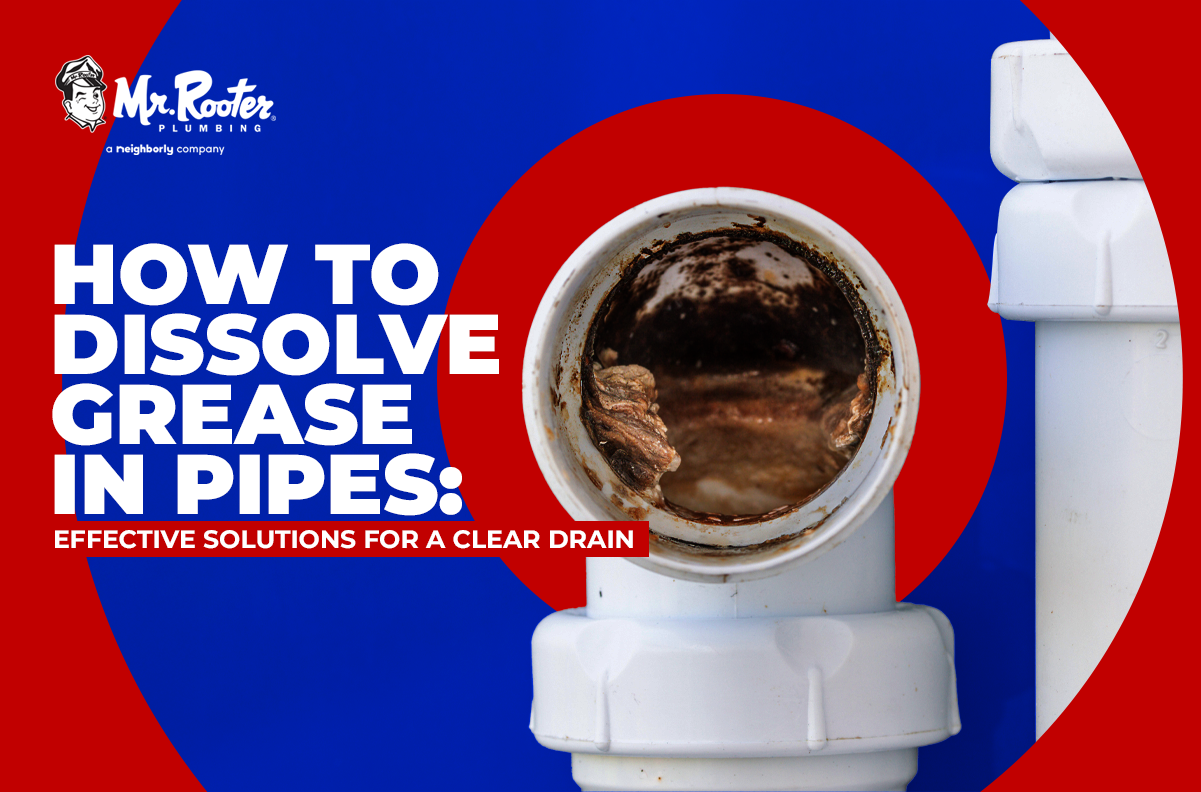
Grease buildup in pipes is a common problem that can lead to slow drains, clogs, and even long-term damage to your plumbing system. Fats, oils, and food residues solidify as they cool, sticking to pipe walls and creating stubborn blockages. This guide provides practical solutions to dissolve grease effectively and preventative tips to keep your drains clear.
The Grease Problem in Plumbing
Cooking oils, fats, and food residues often end up in the sink, where they cool and harden inside pipes. Over time, this grease accumulation narrows the pipe diameter, resulting in slow drainage and frequent clogs. If left untreated, grease clogs can damage your plumbing and require costly repairs.
This guide offers homeowners actionable steps to dissolve grease, natural cleaning methods, and tips to prevent future buildup, ensuring a healthy and efficient plumbing system.
How to Dissolve Grease in Pipes: Step-by-Step Solutions
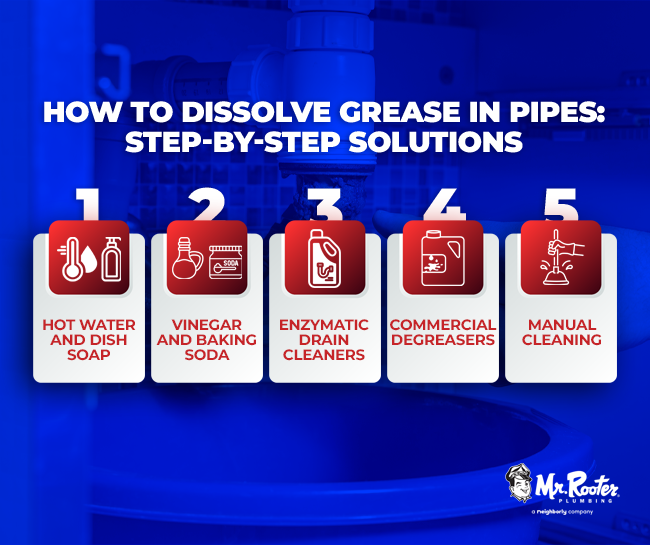
When grease clogs your pipes, quick and effective action is necessary. Below are detailed step-by-step solutions to dissolve grease, ranging from natural remedies to manual cleaning methods.
- Hot Water and Dish Soap
Boiling water combined with degreasing dish soap is one of the simplest ways to dissolve grease. The hot water melts the hardened grease, while the soap breaks it down and emulsifies it for easier removal. Simply boil a pot of water, add a few drops of dish soap, and slowly pour it down the drain. For optimal results, follow up with additional hot water to flush the pipes thoroughly.
- Vinegar and Baking Soda
This classic combination is highly effective for breaking down light grease buildups. Start by pouring half a cup of baking soda into the drain, followed by one cup of white vinegar. Allow the mixture to fizz and work its way through the grease for about 15 minutes. Then, flush the drain with boiling water to clear away any remaining residue. This method not only dissolves grease but is also eco-friendly and safe for your plumbing.
- Enzymatic Drain Cleaners
Enzymatic drain cleaners are specially designed to break down organic materials like grease using natural enzymes. These products are safe for pipes and septic systems, as they don’t rely on harsh chemicals. Follow the product’s instructions carefully, allowing the enzymes sufficient time to work. This method is particularly effective for slow drains caused by grease buildup.
- Commercial Degreasers
For stubborn grease clogs, a commercial pipe-safe degreaser can be highly effective. These products are formulated to target grease directly and clear clogs efficiently. When using a commercial degreaser, always adhere to the manufacturer’s instructions to avoid potential damage to your plumbing. Harsh chemical cleaners should be avoided, as they can corrode pipes over time.
- Manual Cleaning
If the grease clog is severe, manual methods like using a plunger or a drain snake may be necessary. A plunger can dislodge blockages near the drain, while a drain snake can reach deeper into the pipes to break apart or retrieve the clog. Be sure to wear gloves and handle tools with care to avoid causing damage to your pipes during the cleaning process.
💡 Grease clogs can turn a simple kitchen task into a frustrating mess. These easy solutions ensure you’re ready to clear your pipes quickly, saving you the hassle and expense of calling a plumber when dinner cleanup goes wrong.
Preventing Grease Build-Up in Pipes
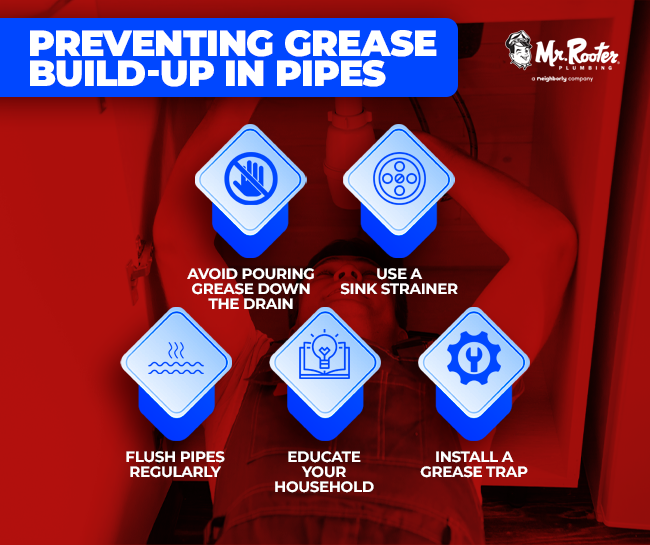
Prevention is the key to avoiding grease clogs. Incorporate these simple habits into your routine to maintain clean and grease-free pipes.
Avoid Pouring Grease Down the Drain
Dispose of cooking grease in a heat-resistant container and throw it in the trash. Never pour hot grease directly into the sink, as it solidifies as it cools.
Use a Sink Strainer
Install a sink strainer to catch food particles and prevent them from entering the drain. Empty the strainer regularly to keep your sink clean and functional.
Flush Pipes Regularly
Pour hot water down your drain weekly to melt and flush away any grease residues. Adding a small amount of dish soap can enhance its effectiveness.
Educate Your Household
Teach everyone in your home the importance of avoiding greasy pans and utensils directly in the sink. Encourage proper disposal habits for grease and food scraps.
Install a Grease Trap
For households that generate significant grease waste, consider installing a grease trap. These devices capture grease before it enters your plumbing system, reducing the risk of clogs.
When to Call a Professional
Sometimes, DIY methods aren’t enough to tackle severe grease clogs. Knowing when to call a plumber can save you time, frustration, and potential damage to your plumbing system.
Signs You Need Professional Help
- Recurring Clogs: If grease clogs return frequently despite your efforts.
- Slow Drains: Persistent slow drainage may indicate significant buildup deeper in your pipes.
- Foul Odors: Strong, unpleasant smells coming from your drain often signal accumulated grease or debris.
💡 Tip: Don’t wait until a clog becomes severe—schedule routine maintenance to keep your plumbing system in optimal condition.
Grease buildup in pipes is a common but preventable problem. By using effective methods like hot water, vinegar, and enzymatic cleaners, homeowners can dissolve grease and maintain clear drains.
Preventative measures, such as avoiding grease disposal down the drain and flushing pipes regularly, help minimize buildup. For severe or recurring clogs, don’t hesitate to call a professional plumber to ensure your plumbing system remains in top shape.
Adopting these habits will save you time, money, and the stress of dealing with clogged pipes, ensuring a smooth-running plumbing system for years to come.
Dealing with greasy clogs in your pipes can be frustrating. If you’re looking for more tips on keeping your drains clear and fresh, check out this guide on How to Clean a Stinky Drain. It provides simple, effective methods to tackle stubborn odors and prevent future issues!