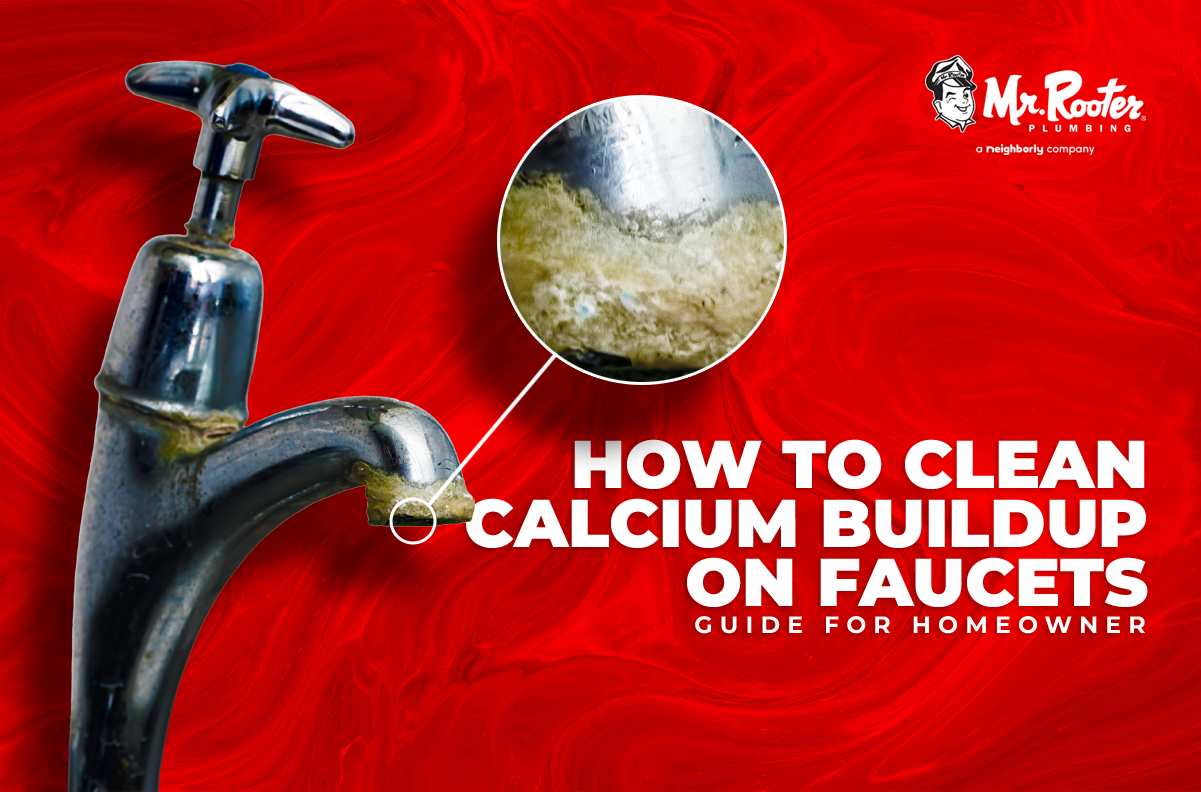
Maintaining clean faucets is crucial for both aesthetic and functional reasons. Calcium buildup, caused by hard water, can lead to unsightly stains and impair the functionality of your fixtures. This guide provides effective methods to clean and prevent calcium buildup on faucets, ensuring they remain in pristine condition. We will explore the causes of calcium buildup, effective cleaning methods, and preventive measures to keep your faucets looking and working their best.
What Causes Calcium Buildup on Faucets?
Hard water, rich in minerals like calcium and magnesium, is the primary culprit behind calcium buildup on faucets. As water evaporates, it leaves behind these minerals, which gradually accumulate and form stubborn deposits. This process, known as scaling, is particularly common in areas with high water hardness levels.
Factors Contributing to Calcium Buildup
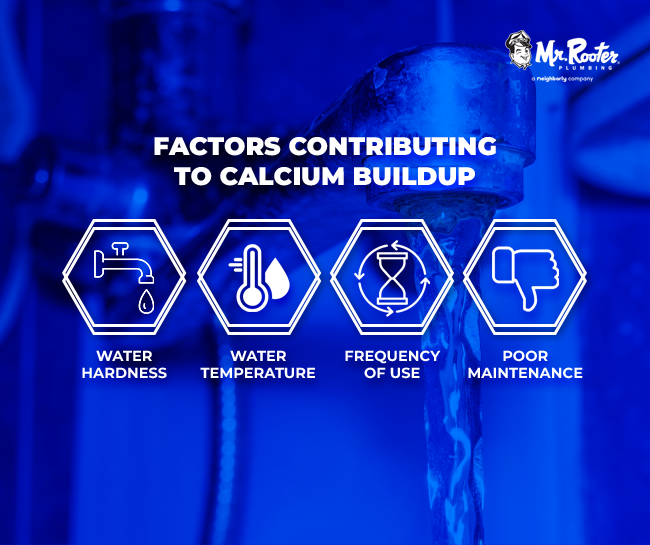
Several factors can accelerate the formation of calcium deposits:
- Water Hardness: The higher the mineral content in your water, the more likely you are to experience calcium buildup.
- Water Temperature: Hot water tends to leave behind more mineral deposits than cold water.
- Frequency of Use: Frequently used faucets are more prone to calcium buildup due to constant exposure to hard water.
- Poor Maintenance: Infrequent cleaning and maintenance can exacerbate the accumulation of mineral deposits.
💡 By being aware of these contributing factors, you can better manage and maintain your faucets, ensuring they remain in optimal condition.
Long-term Effects of Neglecting Calcium Deposits
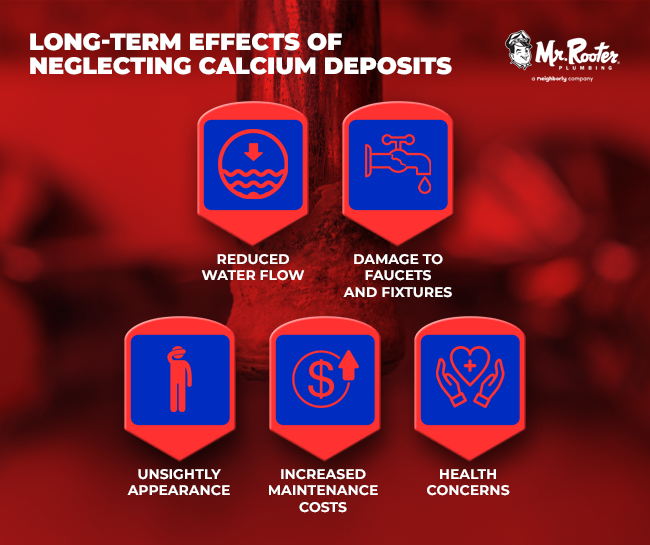
Ignoring calcium buildup can lead to several long-term issues:
- Reduced Water Flow: As calcium deposits accumulate, they can clog the aerators and other faucet components, leading to a noticeable decrease in water pressure. This not only makes everyday tasks like washing hands or dishes more time-consuming but can also signal larger plumbing issues.
- Damage to Faucets and Fixtures: Over time, calcium deposits can cause significant damage to your faucets. The mineral buildup can corrode the internal parts, such as valves and seals, leading to leaks and other malfunctions. This corrosion can weaken the structural integrity of the faucet, making it more susceptible to breaking or requiring costly repairs.
- Unsightly Appearance: The white, chalky deposits left by calcium buildup are not just an eyesore; they can also make your entire bathroom or kitchen look dirty and poorly maintained. These stains are often difficult to remove with regular cleaning, necessitating more intensive efforts to restore the faucet’s original appearance.
- Increased Maintenance Costs: The longer calcium deposits are left untreated, the more difficult and expensive they become to remove. Over time, you may find yourself needing professional cleaning services or even replacement parts, which can add up significantly.
- Health Concerns: While not directly harmful, calcium deposits can create an environment where bacteria and mold are more likely to thrive. This is particularly concerning in areas like kitchen faucets, where you prepare food, and bathroom faucets, which can contribute to skin infections and respiratory issues if not properly cleaned.
💡 Addressing calcium buildup promptly helps maintain your faucets’ functionality, appearance, and safety, ultimately saving you time and money.
What Dissolves Calcium Deposits on Faucets?
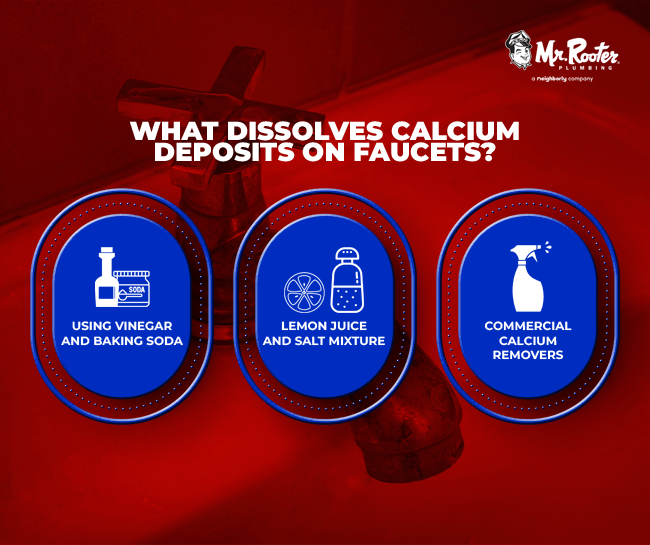
Learn how to dissolve stubborn calcium deposits and restore your faucets to their original shine
Using Vinegar and Baking Soda
Vinegar is a natural acid that effectively dissolves calcium deposits. Baking soda enhances this effect by adding a mild abrasive action. Here’s how to use them:
- Fill a plastic bag with vinegar and attach it to the faucet using rubber bands.
- Leave it to soak for at least an hour.
- Remove the bag and scrub the faucet with a baking soda paste (mix baking soda with a small amount of water).
- Rinse thoroughly with water and dry with a soft cloth.
Lemon Juice and Salt Mixture
Lemon juice, another natural acid, combined with salt, can also effectively dissolve calcium deposits.
- Mix lemon juice with salt to form a paste.
- Apply the paste to the affected areas and let it sit for a few minutes.
- Scrub gently with a sponge or cloth.
- Rinse and dry the faucet.
Commercial Calcium Removers
Several commercial products are designed specifically to dissolve calcium deposits. Follow the manufacturer’s instructions for best results.
How to Prevent Calcium Buildup on Faucets
Maintain clean faucets by regularly cleaning, installing a water softener, and keeping them dry. These straightforward steps will help you prevent buildup and avoid costly repairs.
- Clean faucets weekly with mild cleaners and a soft cloth.
- Install a water softener to reduce mineral content.
- Apply a commercial protective coating.
- Wipe faucets dry after each use.
- Check for and fix any leaks promptly.
Maintaining a regular cleaning routine and taking preventive measures are essential for keeping your faucets free from calcium buildup. By following the methods and tips outlined in this guide, homeowners can ensure their faucets remain clean, functional, and visually appealing. Remember, a little effort now can save you from bigger problems in the future. Happy cleaning!
For more home maintenance tips and related posts on cleaning and plumbing, explore our other articles and resources. Stay informed, stay proactive, and enjoy a well-maintained home!