Hard water can be a significant issue for many homeowners, leading to problems such as scale buildup in pipes and appliances, reduced efficiency of soaps and detergents, and potential skin and hair concerns. Installing a water softener can be a game-changer, providing numerous benefits for both your home and your health. This guide aims to help you navigate the process of selecting the right water softener, taking into account various factors and offering practical tips for making an informed decision.
How Do I Know What Water Softener I Need?
Choosing the right water softener begins with understanding your household’s specific needs. Here’s how you can determine what type of water softener is suitable for you:
Assessing Your Household’s Water Usage
The first step is to evaluate your daily water consumption. On average, a person uses about 80-100 gallons of water per day. Multiply this by the number of people in your household to estimate your total daily water usage. This information is crucial because it will help you determine the capacity of the water softener you need.
Testing Your Water Hardness Level
Water hardness is measured in grains per gallon (GPG) or milligrams per liter (mg/L). You can test your water hardness using a home testing kit or by sending a sample to a lab. Knowing your water hardness level is essential as it will influence the type and size of the water softener required to effectively soften your water.
Understanding Different Types of Water Softeners
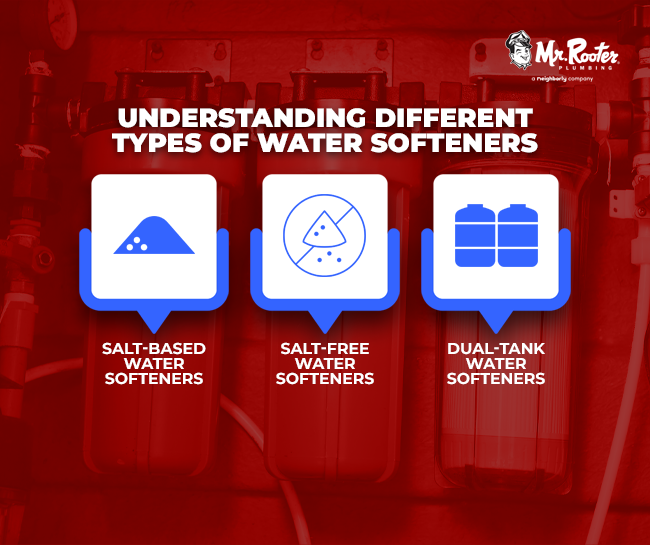
There are several types of water softeners available, each with its own advantages:
- Salt-based Water Softeners: These are the most common and effective at removing hardness minerals. They use ion exchange to replace calcium and magnesium ions with sodium ions.
- Salt-free Water Softeners: These systems use a different technology, such as template-assisted crystallization, to prevent scale buildup. They do not remove hardness minerals but change their form so they don’t adhere to surfaces.
- Dual-tank Water Softeners: Ideal for larger households or homes with high water usage, these systems have two tanks that ensure you always have soft water available.
💡 By knowing these options, you can choose the right system that offers the best benefits, ensuring efficient and effective water softening for your needs.
What Determines the Size of a Water Softener?

The size of a water softener is crucial for its efficiency and effectiveness. Here’s how you can determine the right size for your home:
Calculating Your Household’s Water Consumption
To calculate the correct size, multiply the number of people in your home by the average gallons of water used per day, then multiply that by your water hardness level. For example, a household of four with a water hardness level of 10 GPG would need a softener that can handle 80-100 gallons per day per person, resulting in 3,200-4,000 grains per day.
Matching Water Usage with Softener Capacity
Water softeners come with different grain capacities, which indicate how much hardness they can remove before needing to regenerate. Ensure the softener you choose can handle your household’s daily grain requirement with some margin for efficiency.
Importance of Regeneration Cycle Frequency
Regeneration is the process of flushing out hardness minerals from the resin bed. More frequent regeneration can be more efficient and use less salt and water. Ideally, a water softener should regenerate every 2-3 days. Consider a unit that offers adjustable regeneration settings for better control.
💡 Knowing the correct size of a water softener helps homeowners make informed decisions, resulting in better efficiency, cost savings, improved water quality, and overall convenience.
Is It Bad to Buy Too Big of a Water Softener?
While it might seem that bigger is better, an oversized water softener can cause several issues:
Potential Issues with Oversized Water Softeners
- Inefficient Regeneration: A larger unit will regenerate less frequently, which can lead to inefficient salt usage and potentially result in stagnant water in the tank.
- Higher Initial Cost: Larger units are more expensive upfront and may be an unnecessary expense if you don’t need the extra capacity.
- Space Requirements: Bigger units require more space, which might be an issue in smaller homes or utility areas.
Finding the Right Balance for Efficiency and Cost
The goal is to find a water softener that matches your household’s needs without oversizing. Properly sized units will regenerate efficiently and provide soft water consistently without excessive costs or space requirements.
Water Softener Buying Guide
When purchasing a water softener, consider these key factors to make an informed choice:
Types of Water Softeners
- Salt-based vs. Salt-free: Choose based on your preference for maintenance and environmental impact. Salt-based systems are more effective at softening but require salt and regular maintenance. Salt-free systems are easier to maintain but might not be as effective for very hard water.
- Dual-tank vs. Single-tank: Dual-tank systems ensure a continuous supply of soft water, which is beneficial for larger households or high-usage scenarios. Single-tank systems are sufficient for smaller households.
Key Features to Consider
- Grain Capacity: Ensure the capacity matches your household’s needs. This is the primary measure of how much hardness the unit can handle before regeneration.
- Flow Rate: Check the system’s flow rate to ensure it can handle your household’s peak water usage times without dropping water pressure.
- Regeneration Settings: Look for units with customizable regeneration cycles to optimize efficiency and water usage.
Cost and Installation
- Budget Considerations: Water softeners range in price. Consider your budget but don’t compromise on essential features.
- Professional Installation vs. DIY: While DIY installation can save money, professional installation ensures the unit is set up correctly and optimally, which can prevent future issues.
How to Pick a Water Softener
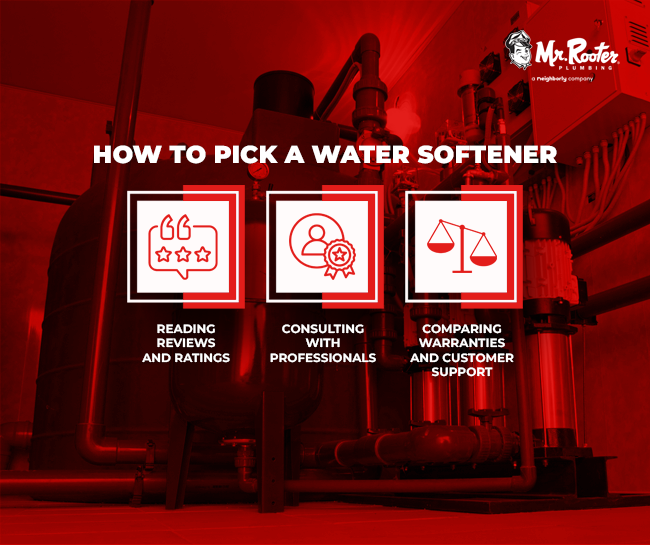
Selecting the right water softener involves more than just technical specifications. Consider these additional steps:
Reading Reviews and Ratings
Customer reviews and ratings provide insights into real-world performance and reliability. Look for consistent positive feedback and any recurring issues highlighted by users.
Consulting with Professionals
Plumbing professionals can offer valuable advice based on their experience and knowledge. They can help you assess your needs and recommend suitable models.
Comparing Warranties and Customer Support
A good warranty can save you from potential future expenses. Compare warranties offered by different manufacturers and check the availability and quality of customer support.
Choosing the right water softener is crucial for ensuring your home has access to soft water, which benefits your plumbing, appliances, and health. By assessing your household’s needs, understanding the types and sizes of water softeners, and considering key features and installation options, you can make an informed decision that will serve you well for years to come. Take your time, do your research, and select a water softener that fits your home and lifestyle perfectly.