Maintaining a septic system is crucial for ensuring your home’s wastewater is properly managed and treated. Regular septic tank maintenance, particularly septic tank pumping, plays a significant role in preventing system failures, costly repairs, and health hazards. This guide aims to inform homeowners about the importance of regular septic tank pumping, how often it should be done, and the signs indicating when a septic tank needs to be pumped.
How Often Should You Pump Your Septic Tank?
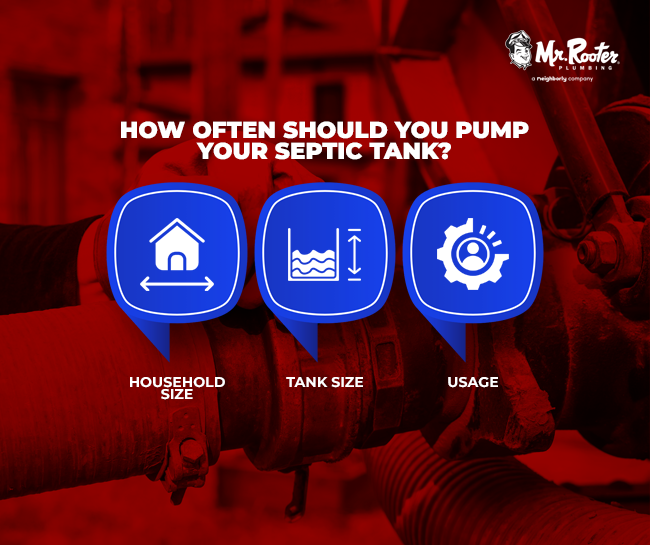
Understanding the frequency of septic tank pumping is essential for maintaining an efficient system. Generally, septic tanks should be pumped every 3-5 years. However, the exact frequency can vary based on several factors:
- Household Size: Larger households produce more wastewater, leading to quicker septic tank fill-up.
- Tank Size: Smaller tanks require more frequent pumping compared to larger tanks.
- Usage: Homes with high water usage or that frequently host guests may need more regular pumping.
Additionally, regular professional inspections are recommended every 1-2 years to assess the system’s condition and identify any potential issues early on.
💡 Regular pumping tailored to your household’s needs can prevent system failures and health hazards, ensuring your septic system runs efficiently for years to come.
How Long Can a Septic Tank Go Without Pumping?
Skipping regular septic tank pumping can lead to several risks and potential problems. While some tanks might go longer without pumping, it’s not advisable to stretch this period beyond recommended guidelines.
- Risks of Infrequent Pumping: Neglecting to pump your septic tank can result in sludge and scum building up, reducing the tank’s capacity and efficiency.
- Potential Problems: Over time, this can cause blockages, system backups, and even damage to the septic system. Repairs and replacements are often far more expensive than regular maintenance.
Signs That Your Septic Tank Is Full
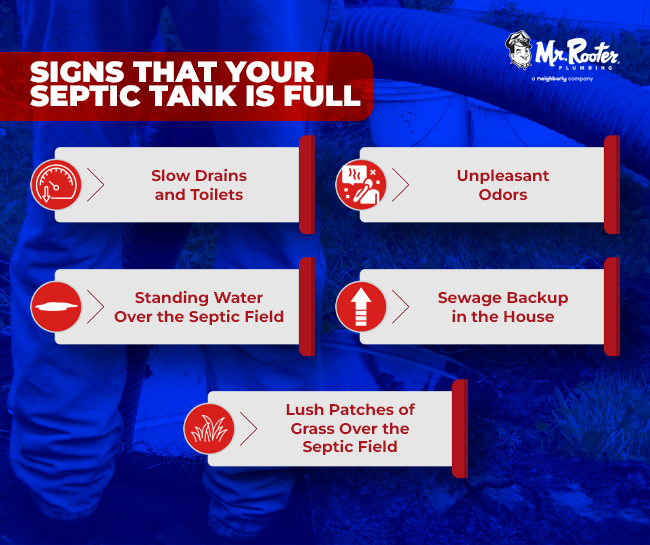
Recognizing the signs of a full septic tank can help you avoid severe problems. Here are common indicators:
- Slow Drains and Toilets: If your sinks, showers, or toilets are draining slowly, it may indicate a full septic tank.
- Unpleasant Odors: Foul smells around your home or near the septic field suggest that the tank is nearing capacity.
- Standing Water Over the Septic Field: Puddles or soggy areas over the septic field can be a sign of an overflowing tank.
- Sewage Backup in the House: One of the most severe signs, if sewage backs up into your home, immediate action is required.
- Lush Patches of Grass Over the Septic Field: Unusually green and thick grass in the septic field area can indicate that the tank is full and leaking nutrients.
💡 Identifying when your septic tank is full helps you prevent major issues and unexpected expenses. Acting on these signs early ensures smooth and cost-effective home maintenance.
What Happens When a Septic Tank Is Too Full?
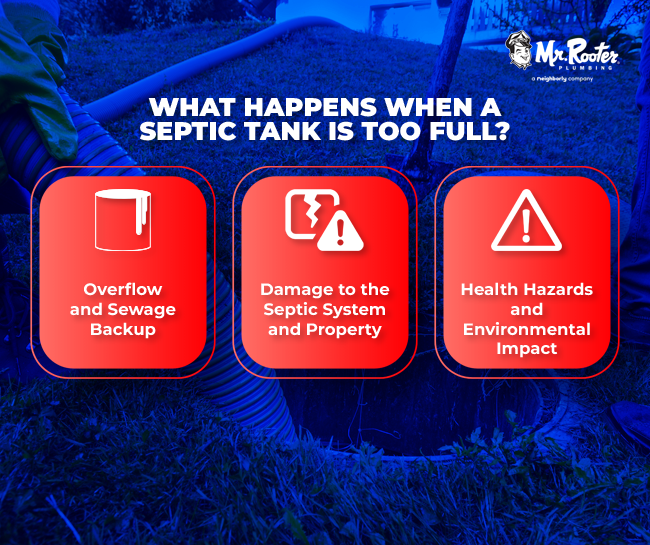
A septic tank that’s too full can lead to several serious issues:
- Overflow and Sewage Backup: Excess solids and wastewater can overflow, causing backups in your home and yard.
- Damage to the Septic System and Property: Overfilled tanks can damage the septic system, leading to costly repairs or replacements. Property damage from sewage backups can also be extensive.
- Health Hazards and Environmental Impact: Sewage overflow poses significant health risks and can contaminate local water sources, harming the environment.
Septic Tank Pumping Process
Understanding the pumping process can help you prepare and know what to expect:
- Overview of the Pumping Procedure: A professional service will locate the tank, remove the cover, and use a vacuum truck to pump out the waste.
- What to Expect During a Professional Service: The service typically lasts a few hours. Professionals will also inspect the tank for any signs of damage or wear.
- Tips for Preparing for a Pumping Service: Ensure the area around the septic tank is accessible, remove any obstacles, and inform the service provider of any concerns.
Preventative Maintenance Tips
Regular maintenance extends the life of your septic system and ensures its efficiency:
- Regular Inspections and Pumping Schedule: Stick to a consistent schedule for inspections and pumping.
- Water Conservation Practices: Reduce water usage to prevent overloading the septic system. Fix leaks and install water-efficient fixtures.
- Avoiding Harmful Substances in the System: Do not flush non-biodegradable items, chemicals, or grease down the drain.
- Landscaping Tips to Protect the Septic Field: Keep trees and shrubs away from the septic field to prevent root intrusion. Ensure proper grading to direct water away from the field.
Regular septic tank pumping is essential for maintaining an efficient and trouble-free septic system. By adhering to a consistent maintenance schedule and recognizing the signs of a full tank, homeowners can prevent costly repairs and ensure their system operates smoothly. Remember, investing in regular maintenance now can save you from significant headaches and expenses in the future.