Maintaining your water heater is crucial for ensuring its efficiency and extending its lifespan. Many homeowners overlook this aspect, leading to premature breakdowns and costly repairs. This guide aims to educate you on the importance of draining your water heater, how often it should be done, and actionable maintenance tips.
Why Draining Your Water Heater Matters
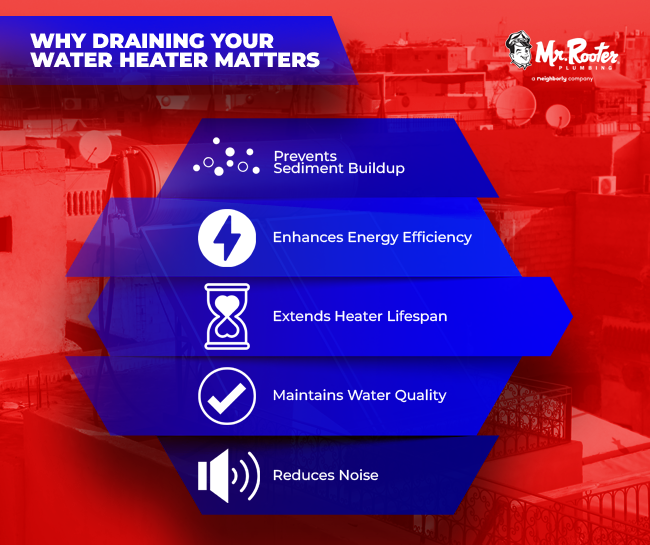
Regular maintenance, including draining your water heater, is crucial for its performance and longevity. Here are the reasons why it’s so important:
- Prevents Sediment Buildup: Draining helps remove minerals like calcium and magnesium that settle at the bottom, improving heat transfer and efficiency.
- Enhances Energy Efficiency: By eliminating sediment insulation, your heater requires less energy to heat water, reducing your utility bills.
- Extends Heater Lifespan: Regular flushing of the tank reduces corrosion and wear, prolonging the life of your water heater.
- Maintains Water Quality: Draining the tank helps prevent discolored, rusty, or muddy water, ensuring you have access to clean water for your household needs.
- Reduces Noise: Sediment buildup can cause popping or rumbling noises. Draining the tank eliminates these sounds, indicating your system is running smoothly.
💡 By understanding and acting on these points, homeowners can ensure their water heaters operate efficiently and last longer, avoiding unnecessary repairs or replacements.
How Often Should You Drain Your Water Heater?
The rule of thumb is to drain and flush your water heater at least once a year. However, this frequency can vary based on several factors.
Factors Affecting Frequency
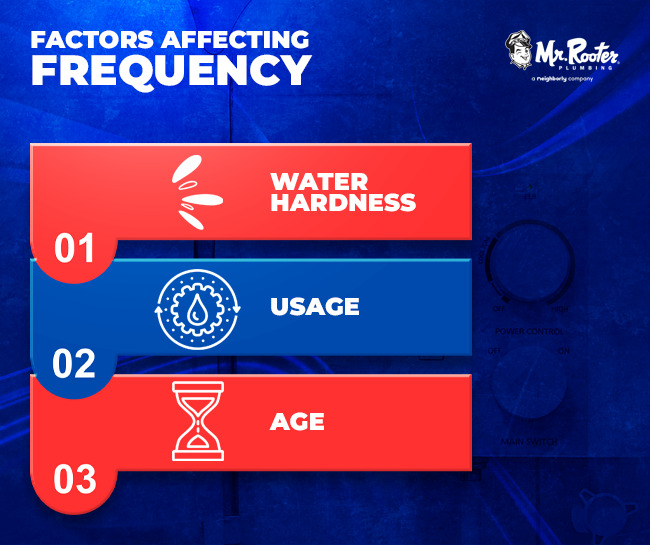
- Water Hardness: Areas with hard water may require more frequent draining due to higher mineral content.
- Usage: High usage increases sediment buildup, necessitating more frequent maintenance.
- Age: Older units may benefit from more frequent draining to mitigate the effects of wear and tear.
Signs Your Water Heater Needs to Be Drained
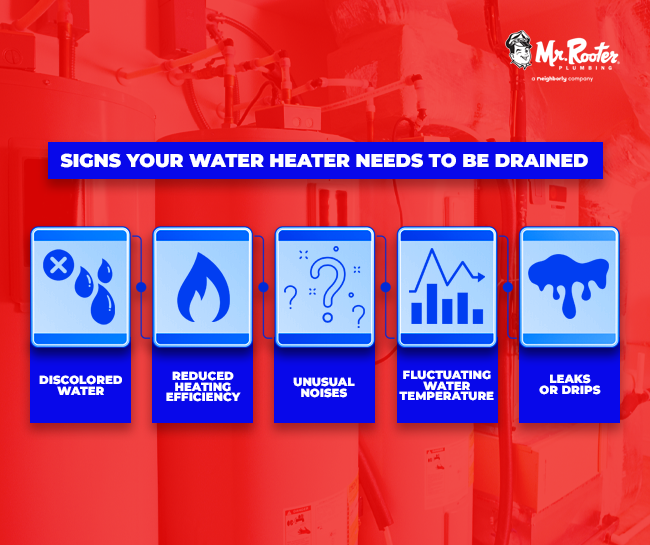
Your water heater, a silent workhorse, occasionally sends subtle signals when it requires attention. Detecting these signs can prevent issues and ensure your system runs smoothly. Here are the indicators:
- Discolored Water: When your hot water appears rusty, muddy, or discolored, it’s a clear indication of sediment accumulation in the tank, prompting the need for a thorough drain.
- Reduced Heating Efficiency: If you notice that it takes significantly longer for your hot water to reach the desired temperature, your water heater may be struggling with sediment buildup, hindering heating efficiency.
- Unusual Noises: Popping, cracking, or rumbling sounds emanating from your water heater tank are caused by sediment interacting with heat. These noises are a telltale sign that it’s time to perform a thorough flush.
- Fluctuating Water Temperature: Inconsistent hot water temperatures, where it alternates between scalding and lukewarm, can also result from sediment interfering with the thermostat’s performance.
- Leaks or Drips: Sometimes, sediment buildup can cause damage to the tank’s structure, leading to small leaks or drips. If you notice water pooling around your water heater, it’s essential to address the issue promptly.
💡 These signs serve as early warnings that sediment accumulation is affecting your water heater’s efficiency and potentially compromising its longevity. By recognizing these indicators and promptly addressing them, you can maintain the optimal performance of your water heater and avoid costly repairs or replacements.
Steps to Flush Your Water Heater Yourself
- Turn off the power or gas supply.
- Connect a hose to the drain valve and lead it outside or to a drain.
- Open the drain valve and let the tank empty.
- Flush the tank with cold water until it runs clear.
When to Call a Professional
If you’re uncomfortable performing these steps or if flushing doesn’t improve the situation, it’s time to call a professional. They can also check for other issues that may not be apparent to the untrained eye.
Preventive Maintenance Tips
- Regular Inspections: Check your water heater annually for signs of wear or leaks.
- Temperature Settings: Keep the temperature set between 120°F to 140°F to reduce sediment buildup and energy use.
- Anode Rod Checks: Inspect the anode rod every 2-3 years to prevent tank corrosion.
Regular maintenance, including draining your water heater, is essential for its efficiency and longevity. By following the guidelines outlined in this article, you can ensure your water heater operates at its best. Remember, a little maintenance goes a long way in preventing future problems.