Wondering How Long Does Cast Iron Pipe Last? If you’re dealing with old plumbing in your home or thinking about installing new pipes, this guide is for you. We’ll cover everything from the expected lifespan of cast iron pipes to maintenance tips and when to consider replacing them. This guide is straightforward and easy to understand, perfect for anyone from homeowners to those who enjoy a bit of DIY plumbing. Let’s get started on unraveling the mysteries of cast iron pipes!
Factors Affecting Lifespan
The durability of cast iron pipes is influenced by several key factors:
- Quality of Material: The composition and quality of the cast iron used can significantly impact its longevity.
- Environmental Conditions: External factors like soil acidity, moisture levels, and climate can accelerate corrosion and deterioration.
- Usage Patterns: The type of waste (industrial vs. residential) and frequency of use can affect the pipe’s condition over time.
- Maintenance Regimen: Regular maintenance, including cleaning and inspections, can greatly extend a pipe’s lifespan.
Average Lifespan Statistics
On average, cast iron pipes serve effectively for 50 to 100 years. However, this range is not set in stone and varies based on the factors mentioned above. In some cases, well-maintained pipes have surpassed the century mark.
Signs of Deterioration in Cast Iron Pipes
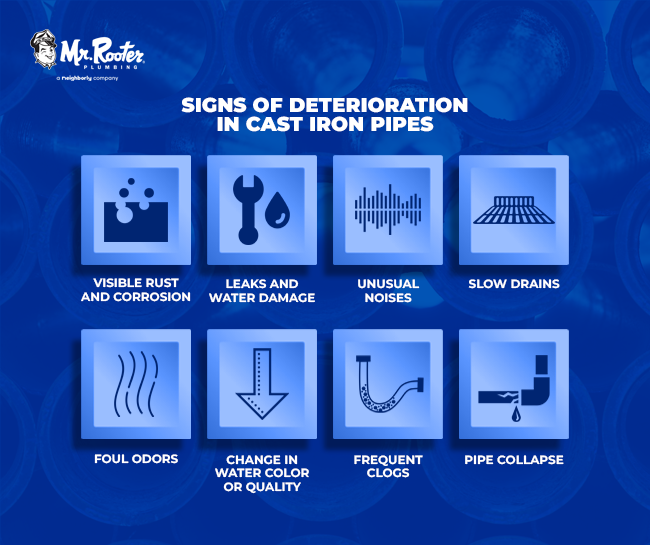
Before your cast iron pipes worsen, it’s crucial to spot the early signs of trouble. Here are the key indicators to keep an eye on:
- Visible Rust and Corrosion: One of the most obvious signs is rust on the exterior or interior surfaces of the pipes. This indicates that the metal is breaking down.
- Leaks and Water Damage: Even small leaks can be a sign of internal pipe deterioration. Look for unexplained water stains or dampness around pipes.
- Unusual Noises: Listen for any strange sounds coming from your pipes, like banging, clanking, or creaking, which can indicate shifting or weakening.
- Slow Drains: If your sinks or bathtubs are draining slowly, it could be due to build-ups inside the pipes, often a sign of aging.
- Foul Odors: Unpleasant smells emanating from your drains can be a sign of blockages or cracks in your cast iron pipes.
- Change in Water Color or Quality: If the water starts to look discolored or contains visible particles, it could be due to corroded pipes.
- Frequent Clogs: Regular clogs, even after clearing, can indicate that the pipes are deteriorating from the inside.
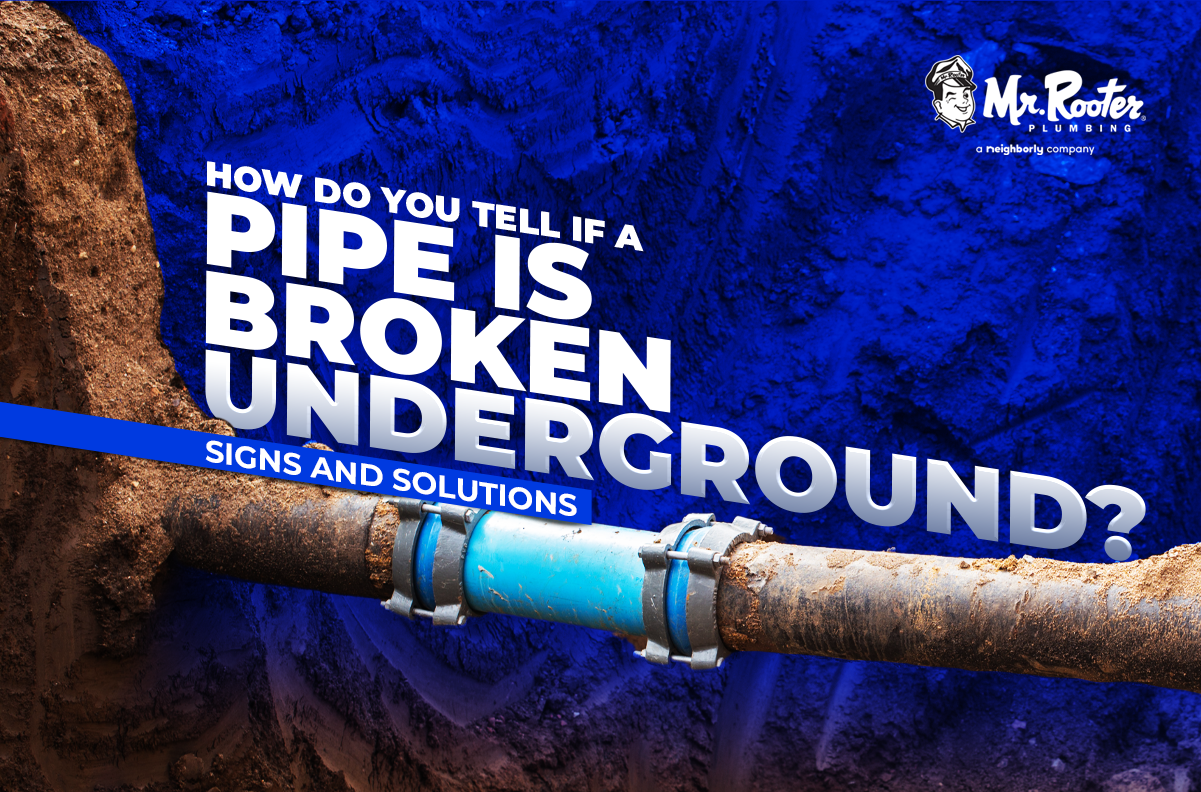
- Pipe Collapse: In severe cases, you might notice sinkholes or indentations in your yard, which can signal a collapsed underground pipe.
💡 Being aware of these signs can help you address issues before they escalate into major problems. Regular inspections and maintenance are key to prolonging the life of your cast iron pipes.
Maintenance Tips to Prolong Lifespan
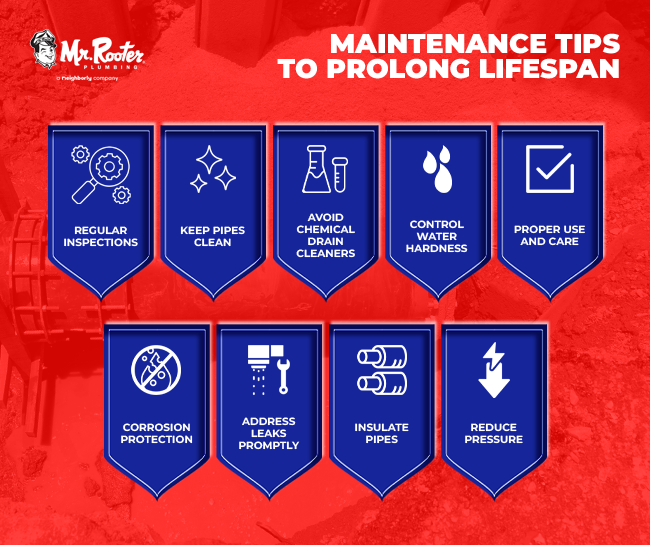
Proper maintenance is key to extending the life of your cast iron pipes. Here are some effective strategies to keep them in good condition:
- Regular Inspections: Schedule annual inspections with a professional plumber to catch any early signs of deterioration or damage.
- Keep Pipes Clean: Regular cleaning can prevent the buildup of rust and scale inside the pipes, which can lead to blockages and corrosion.
- Avoid Chemical Drain Cleaners: Harsh chemicals can accelerate the deterioration of cast iron. Opt for gentler, enzyme-based cleaners instead.
- Control Water Hardness: If you have hard water, consider installing a water softener to reduce mineral buildup inside the pipes.
- Proper Use and Care: Avoid flushing anything down the toilet that could cause blockages, and be mindful of what goes down your drains.
- Corrosion Protection: Apply corrosion inhibitors if recommended by a plumbing professional, especially in areas with aggressive water or soil conditions.
- Address Leaks Promptly: Even small leaks can indicate larger issues. Fixing leaks early can prevent more significant damage.
- Insulate Pipes: In colder climates, insulating your pipes can prevent freezing and the subsequent stress and cracking that can occur.
- Reduce Pressure: High water pressure can stress pipes. Installing a pressure reducing valve can help extend the life of your plumbing system.
💡 By following these maintenance tips, you can significantly prolong the lifespan of your cast iron pipes, ensuring they remain functional and efficient for as long as possible.
The longevity of cast iron pipes is a testament to their quality, but understanding their maintenance and replacement needs is key to ensuring a safe and efficient plumbing system. Regular maintenance, being vigilant about deterioration signs, and consulting with professionals for replacements are crucial steps. This guide on ‘How Long Does Cast Iron Pipe Last’ aims to empower homeowners and property managers with the knowledge to make informed decisions about their cast iron plumbing