Water heaters are unsung heroes in our homes, providing the comfort of hot showers and the convenience of warm water for various household needs. Understanding their lifespan and maintenance is crucial for homeowners. This guide will delve into the longevity of water heaters, signs of deterioration, and how to maintain them effectively.
Average Lifespan of Water Heaters
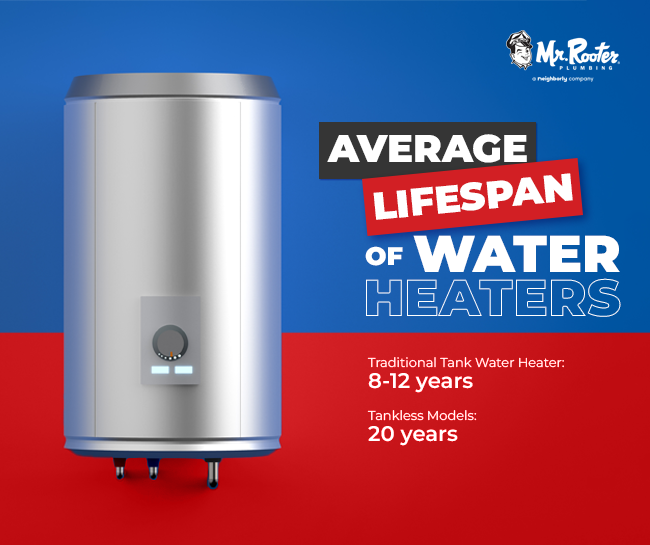
The lifespan of a water heater can vary significantly based on several factors. On average, traditional tank water heaters last about 8-12 years, while tankless models can last up to 20 years. The longevity is influenced by the type of water heater, frequency of use, and how well it’s maintained. For instance, gas water heaters may have a shorter lifespan compared to electric ones due to the combustion process.
💡 Water heaters consume about 18% of a home’s energy, making them a significant contributor to energy bills.
Signs of a Dying Water Heater
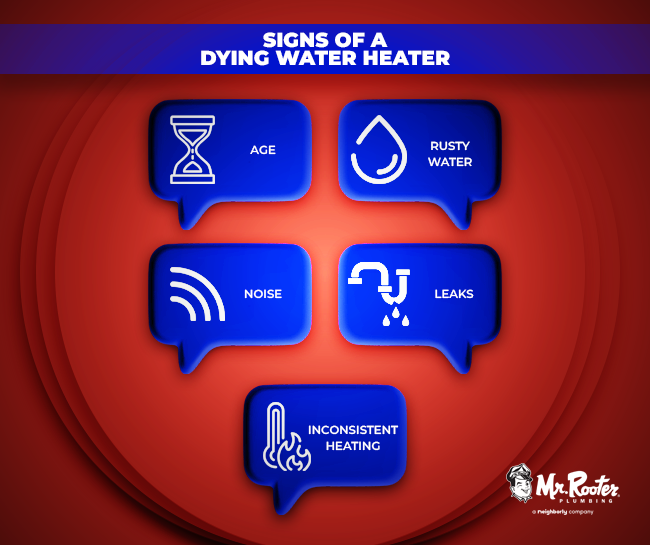
Knowing when to replace your hot water heater is crucial to avoid unexpected cold showers or potential water damage. Key signs include:
- Age: If it’s nearing the end of its expected lifespan.
- Rusty Water: Indicates corrosion inside the tank.
- Noise: Rumbling or banging sounds due to sediment buildup.
- Leaks: Water around the base of the heater.
- Inconsistent Heating: Fluctuations in water temperature.
💡 Don’t wait for cold showers or water damage—act promptly to ensure your home’s comfort and safety.
Proactive Replacement: When and Why
Should you replace your water heater before it fails? Absolutely. Proactive replacement can prevent the inconvenience of sudden brhoeakdowns and potential water damage. It also offers the opportunity to upgrade to more energy-efficient models, reducing long-term energy costs.
Maintenance Tips to Extend Lifespan
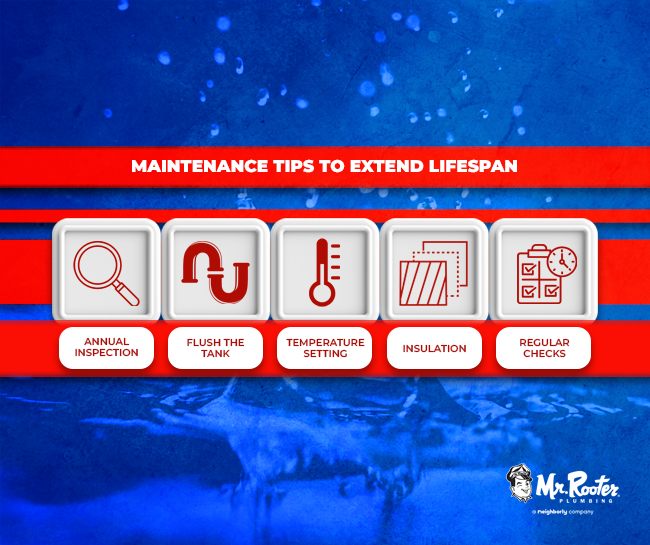
Regular maintenance can significantly extend the life of your water heater. Here are some tips:
- Annual Inspection: Have a professional check the anode rod, pressure relief valve, and other components.
- Flush the Tank: At least once a year, flush out sediment that can lead to inefficiency and damage.
- Temperature Setting: Keep it around 120°F to reduce wear and save energy.
- Insulation: Insulate older units to improve efficiency.
- Regular Checks: Look out for leaks or signs of corrosion.
Your water heater is a vital component of your home’s comfort. By understanding its lifespan, recognizing signs of wear, and following maintenance tips, you can ensure its longevity and efficiency. Evaluate your current water heater and consider whether it’s time for maintenance, repair, or replacement.