Ever walked into your house and been hit by an unpleasant sewage odor? It’s not just a nuisance; it can be a sign of a bigger problem. Understanding why your house smells like sewage is crucial for maintaining a healthy and comfortable living environment. In this guide, we’ll explore the common causes of these odors and provide actionable solutions to help you eliminate them and prevent future occurrences.
Common Causes of Sewage Smell in the House
A sewage smell in your home is a serious concern that needs prompt attention. Understanding the common causes can help you address the issue effectively. Let’s explore the typical reasons behind these odors and how to fix them.
Damaged Toilet Seal
A damaged toilet seal, also known as a toilet wax ring, can be a major culprit behind the sewage smell in your house. The wax ring creates a watertight seal between the toilet and the drain pipe, preventing sewer gases from entering your home. Over time, this seal can deteriorate, crack, or shift, allowing unpleasant odors to seep through.
Signs of a Damaged Seal:
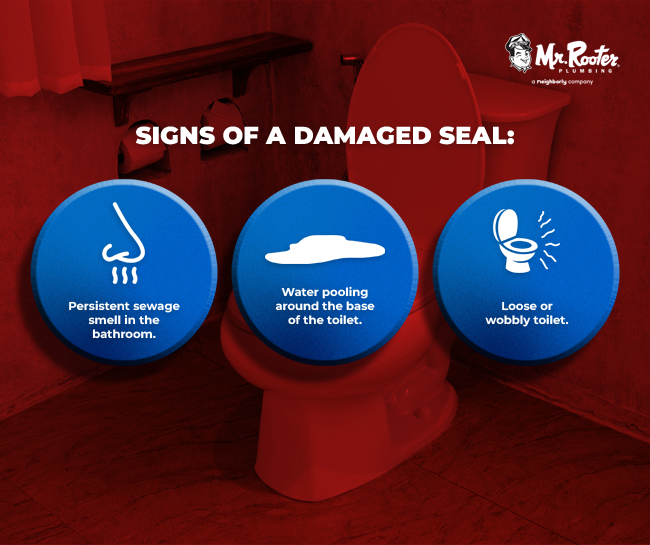
- Persistent sewage smell in the bathroom.
- Water pooling around the base of the toilet.
- Loose or wobbly toilet.
Clogged Drain
Clogged drains are another common cause of sewage smells. When drains are blocked, wastewater can’t flow properly, leading to stagnation and the buildup of foul odors.
Dry P-Trap
P-traps are essential components of your plumbing system, designed to hold a small amount of water that acts as a barrier to sewer gases. When P-traps dry out, they can no longer perform this function, leading to sewer odors entering your home.
Vent Pipe Problems
Vent pipes allow sewer gases to escape from your plumbing system and equalize pressure. If these pipes are blocked or damaged, it can cause sewer smells to back up into your house.
Septic System Issues
If your home uses a septic system, problems such as a full tank or a malfunctioning system can lead to sewer odors.
Should You Be Concerned If Your House Smells Like Sewage?
Sewage odors are not just unpleasant; they can pose health risks due to the presence of harmful bacteria and gases such as hydrogen sulfide and methane.
Potential Health Risks:
- Respiratory issues.
- Headaches and dizziness.
- Aggravation of allergies and asthma.
⚠️ Importance of Timely Resolution: Addressing the issue promptly can prevent health problems and structural damage to your home.
How to Get Rid of Sewer Smell in Your House
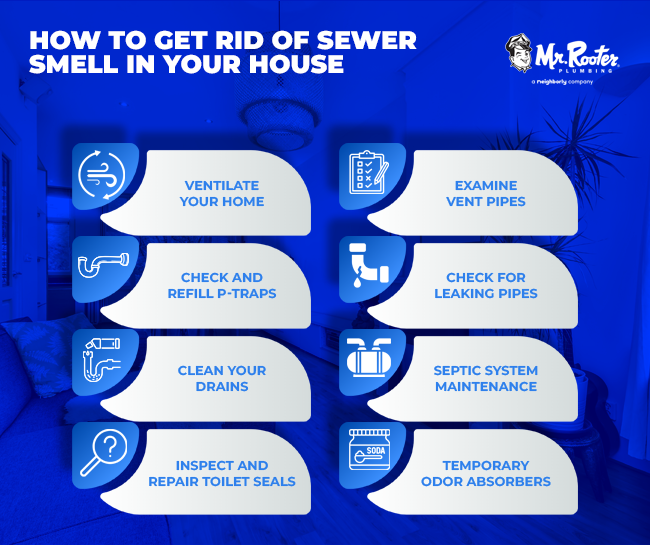
Eliminating sewer smells from your house involves both immediate actions and long-term solutions. Follow this comprehensive guide to ensure your home is fresh and odor-free.
- Ventilate Your Home: Start by opening windows and using fans to improve air circulation. This will help disperse the odor and bring fresh air into your home.
- Check and Refill P-Traps: Ensure all P-traps, especially those in infrequently used sinks and floor drains, contain water. Pour water into each drain to refill dry P-traps and add a few tablespoons of mineral oil to slow down evaporation.
- Clean Your Drains: Use a drain cleaner or natural remedies like baking soda and vinegar to clear any clogs. Pour half a cup of baking soda followed by half a cup of vinegar down the drain, wait 15 minutes, and flush with hot water.
- Inspect and Repair Toilet Seals: Check the wax ring seal at the base of your toilets. If you notice any signs of damage, such as water pooling around the base, replace the seal promptly.
- Examine Vent Pipes: Ensure your vent pipes are not blocked by debris, nests, or other obstructions. Clear any blockages you find, and if you’re unsure, consider hiring a professional to inspect the system.
- Check for Leaking Pipes: Inspect your plumbing system for any leaks. Leaks can cause sewage odors to seep into your home. Repair any leaks you find or consult a plumber for assistance.
- Septic System Maintenance: If you have a septic system, ensure it is regularly maintained. Schedule routine inspections and pumping to prevent overflows and malfunctions that can cause odors.
- Temporary Odor Absorbers: Use odor absorbers like activated charcoal or baking soda around the areas where the smell is strongest. These can help neutralize odors while you address the root cause.
💡 Clearing sewer smells from your house ensures a fresh, healthy home. Regular maintenance prevents odors, keeping your living space clean and safe.
Preventive Measures
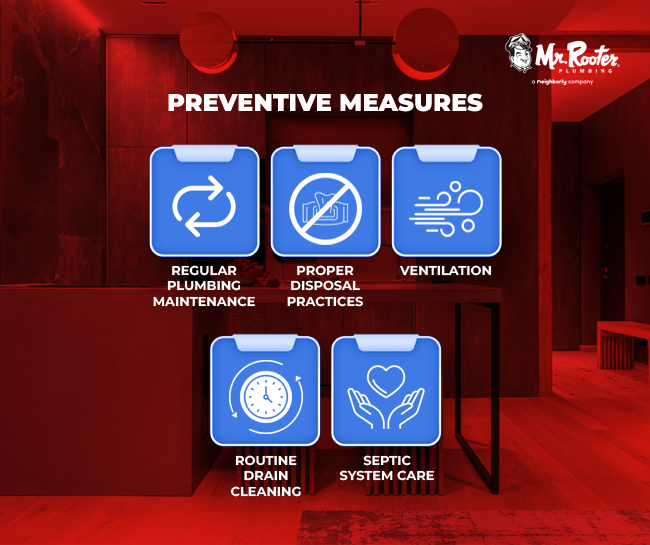
Preventing sewage smells in your home requires regular maintenance and good practices. By taking proactive steps, you can avoid the inconvenience and discomfort of sewer odors. Here are some effective measures to keep your home smelling fresh and clean.
- Regular Plumbing Maintenance: Schedule regular inspections of your plumbing system to catch potential issues before they become serious problems.
- Proper Disposal Practices: Avoid flushing non-degradable items like wipes, diapers, or sanitary products down the toilet, as these can cause clogs.
- Ventilation: Ensure that your bathrooms and kitchens are well-ventilated to help disperse any odors quickly.
- Routine Drain Cleaning: Clean your drains periodically using natural remedies or commercial drain cleaners to prevent buildup and clogs.
- Septic System Care: Follow recommended guidelines for septic system maintenance, including regular pumping and inspections.
By following these steps and implementing preventive measures, you can effectively eliminate sewer smells from your house and maintain a fresh, odor-free environment. If the problem persists despite your best efforts, it might be time to consult a professional plumber to diagnose and fix the issue.
Sewer smells in your house can be more than just a nuisance—they can indicate serious plumbing issues that need immediate attention. By understanding the common causes and taking proactive measures, you can keep your home odor-free and safe. If you’re unable to resolve the issue on your own, don’t hesitate to seek professional help to ensure your plumbing system is in top condition.