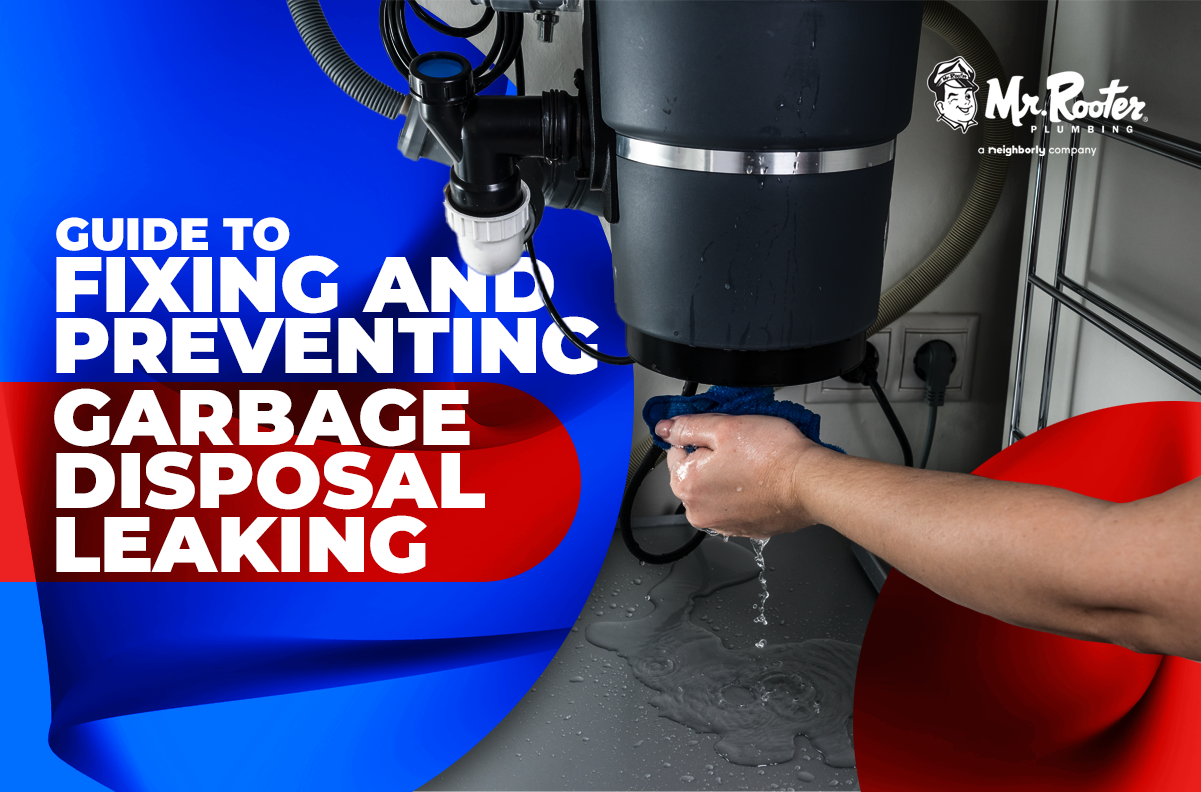
Is there anything more annoying than a leaking garbage disposal? Not only can it cause a mess, but it can also lead to unpleasant odors and potential water damage in your kitchen. A functional garbage disposal is a crucial component of a modern kitchen, helping to keep your sink clean and free from food waste. However, like any other appliance, it can develop issues over time, with leaks being one of the most common problems. In this comprehensive guide, we’ll explore the typical reasons behind garbage disposal leaks, how you can fix them, and essential preventive measures to avoid future leaks.
Common Reasons for Garbage Disposal Leaks
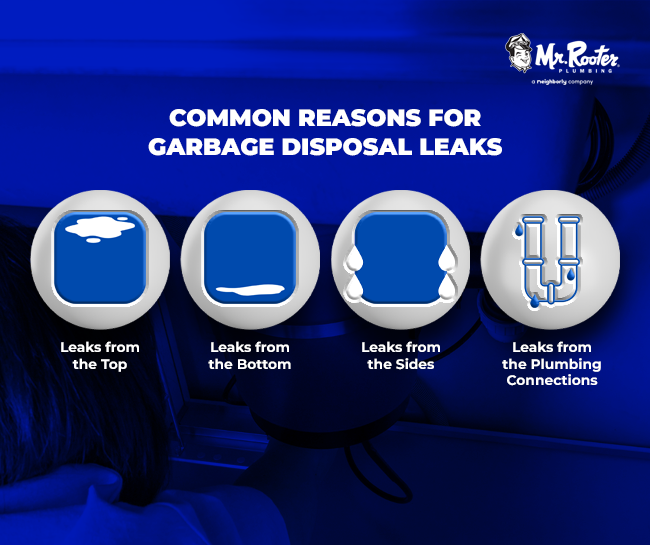
Understanding why your garbage disposal leaks can help you address the problem quickly. Here are some typical causes that homeowners should be aware of:
Leaks from the Top
Leaks from the top of your garbage disposal often indicate an issue with the sink flange. The sink flange is the part that connects the disposal to the bottom of your sink. Over time, the putty or seal around the flange can degrade, leading to leaks. Additionally, if the mounting bolts become loose, water can seep through.
Leaks from the Bottom
When you notice water pooling underneath your sink, it could be a sign of a leak from the bottom of your garbage disposal. This type of leak is typically due to a worn-out internal seal. The internal seals can deteriorate due to wear and tear, causing water to escape from the bottom.
Leaks from the Sides
Leaks from the sides of the garbage disposal are usually a result of issues with the dishwasher connection or the discharge drainpipe. If the hose clamps connecting these components become loose or the hoses themselves develop cracks, leaks can occur.
Leaks from the Plumbing Connections
The plumbing connections that link your garbage disposal to the rest of your kitchen’s plumbing system can also be a source of leaks. This includes the P-trap, which can become clogged or misaligned, causing water to leak.
How to Fix a Leaking Garbage Disposal
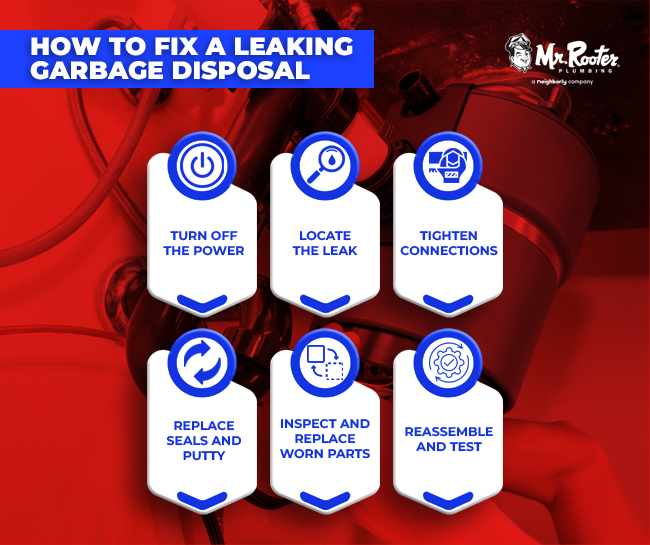
When faced with a leaking garbage disposal, it’s essential to locate the source of the leak first. Here’s a consolidated guide to help you through the process.
- Turn off the Power:
Before starting any repairs, ensure the garbage disposal is unplugged or the circuit breaker is turned off to avoid any accidents.
- Locate the Leak:
Use a flashlight to inspect the disposal unit thoroughly. Identify whether the leak is coming from the top, bottom, sides, or plumbing connections. Place a bucket under the disposal to catch any water.
- Tighten Connections:
If the leak is from the top, check the sink flange and mounting bolts. Use an adjustable wrench to tighten the bolts. For leaks from the sides, examine the dishwasher hose and discharge drainpipe, tightening any loose hose clamps or connections.
- Replace Seals and Putty:
If tightening the connections doesn’t stop the leak, you may need to replace the seal or plumber’s putty. Remove the garbage disposal unit carefully, clean off the old putty or gasket, and apply a new layer before reseating the unit.
- Inspect and Replace Worn Parts:
For leaks from the bottom, the issue usually lies with the internal seals, which may require replacing the entire unit as these seals are not serviceable. If any hoses or pipes are cracked, replace them with new ones to ensure a tight fit.
- Reassemble and Test:
Once all necessary repairs are made, reassemble the garbage disposal, ensuring all connections are secure. Restore power to the unit and run water to check for any remaining leaks.
When to Call a Professional
If the leak persists after attempting these fixes, or if you’re unsure about performing the repairs yourself, it’s best to call a professional plumber. They can provide a thorough inspection and ensure your garbage disposal is properly fixed.
💡 By following these steps, you can efficiently address and fix a leaking garbage disposal, keeping your kitchen dry and functional.
Preventive Measures to Avoid Garbage Disposal Leaks
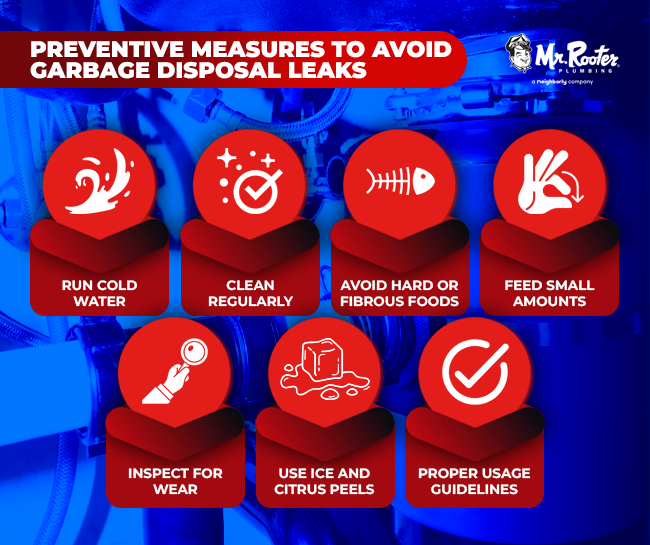
Preventive measures are crucial in maintaining the longevity and functionality of your garbage disposal. By taking a few simple steps, you can avoid leaks and ensure your disposal operates smoothly for years to come.
- Run Cold Water: Always run cold water while using the disposal to help flush debris through the pipes.
- Clean Regularly: Use a mixture of vinegar and baking soda weekly to clean the disposal and prevent buildup.
- Avoid Hard or Fibrous Foods: Don’t grind bones, coffee grounds, or fibrous vegetables like celery.
- Feed Small Amounts: Prevent overloading by feeding waste into the disposal in small amounts.
- Inspect for Wear: Regularly check for unusual noises or frequent resets, which can indicate the need for repairs or replacement.
- Use Ice and Citrus Peels: Grind ice cubes and citrus peels occasionally to clean and deodorize the disposal.
- Proper Usage Guidelines: Avoid grinding hard or fibrous foods like bones and celery. Feed small amounts of waste at a time to prevent overloading.
💡 Knowing how to care for your garbage disposal prevents leaks and costly repairs. Simple steps like running cold water, avoiding tough foods, and regular cleaning can keep your kitchen running smoothly.
Keeping your garbage disposal in top shape is essential for a smooth-running kitchen. By understanding the common causes of leaks and knowing how to fix them, you can save yourself from unnecessary hassle and expenses. Remember to follow regular maintenance tips and proper usage guidelines to extend the life of your disposal. With a bit of attention and care, you can prevent leaks and keep your kitchen clean and functional.
Ready to tackle that pesky rotten egg smell coming from your water heater? For a detailed step-by-step solution and preventive tips, check out our guide on How To Remove Rotten Egg Smell From Water Heater. Say goodbye to odors and enjoy fresh, clean water again! Dive into the guide here: How To Remove Rotten Egg Smell From Water Heater