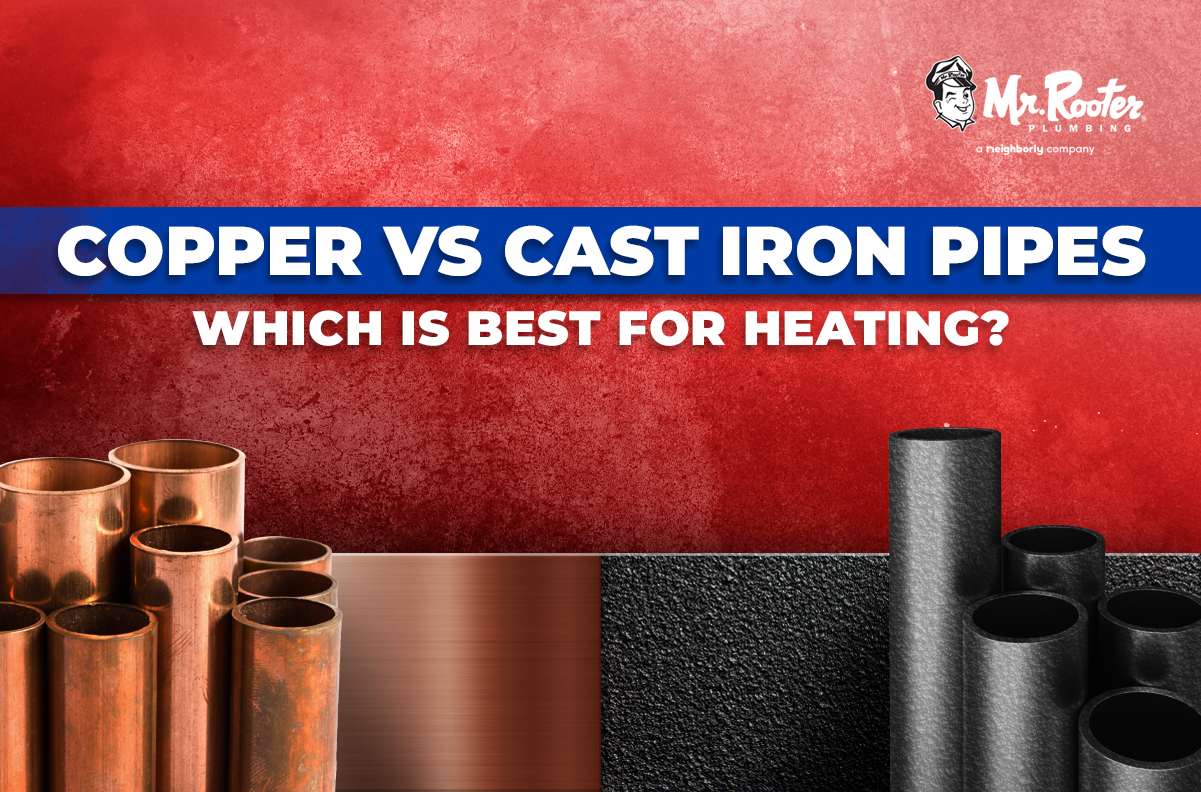
When it comes to heating systems in your home, the choice of piping material plays a crucial role in ensuring efficiency, longevity, and safety. Two commonly used materials for heating pipes are copper and cast iron. In this comprehensive guide, you’ll explore the differences between copper vs cast iron pipe for heating, delving into their advantages, disadvantages, and suitability for heating applications.
Overview of Copper Pipes:
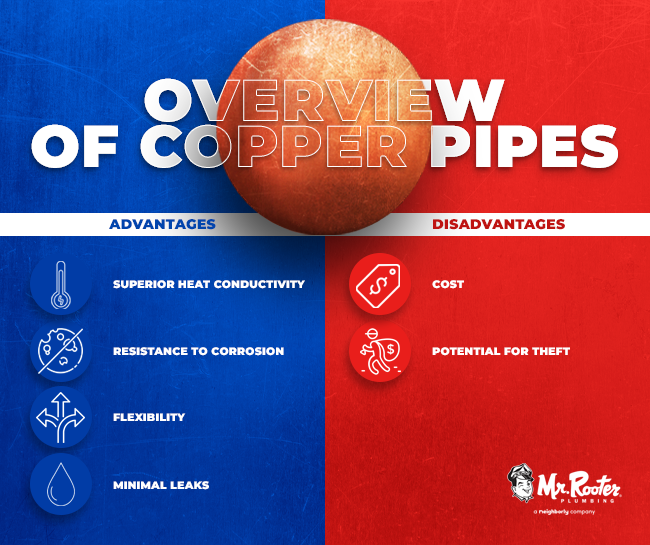
Copper pipes have long been favored in plumbing and heating systems for their durability, reliability, and excellent heat conductivity.
Advantages of Copper Pipes:
- Superior Heat Conductivity: Copper pipes excel at efficiently transferring heat, making them ideal for heating systems where rapid heat transfer is crucial.
- Resistance to Corrosion: Unlike some other materials, copper is resistant to corrosion, ensuring longevity and minimal maintenance requirements.
- Flexibility: Copper pipes are malleable, allowing for easier installation, especially in tight spaces or complex layouts.
- Minimal Leaks: Copper pipes are less prone to leaks and bursts compared to other materials, providing peace of mind for homeowners.
Disadvantages of Copper Pipes:
- Cost: While copper pipes offer numerous benefits, they tend to be more expensive upfront compared to alternatives like PVC or PEX.
- Potential for Theft: Copper’s scrap value can make it a target for theft, particularly in vacant or unsecured properties.
Overview of Cast Iron Pipes:
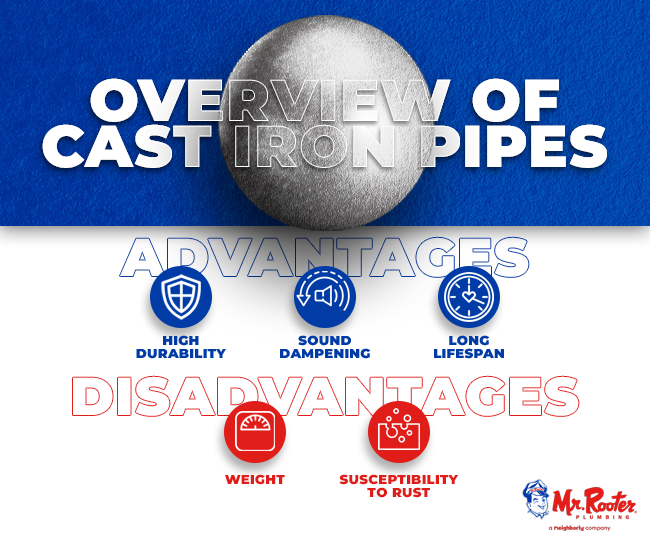
Cast iron pipes, once a staple in plumbing systems, are known for their durability and strength.
Advantages of Cast Iron Pipes:
- High Durability: Cast iron pipes are incredibly strong and can withstand heavy loads and high pressure, making them suitable for underground installations.
- Sound Dampening: Cast iron pipes effectively dampen noise transmission, reducing the noise associated with water flow in the plumbing system.
- Long Lifespan: When properly installed and maintained, cast iron pipes can last for decades without significant deterioration.
Disadvantages of Cast Iron Pipes:
- Weight: Cast iron pipes are significantly heavier than copper or plastic alternatives, requiring additional support during installation.
- Susceptibility to Rust: Over time, cast iron pipes can develop rust and corrosion, particularly in environments with acidic water.
Comparison Between Copper and Cast Iron Pipes for Heating:
Now, let’s compare copper and cast iron pipes specifically in the context of heating systems.
Heat Resistance and Durability:
- Copper Pipes: Copper boasts excellent heat conductivity, making it highly effective for heating applications. Additionally, copper’s resistance to corrosion ensures longevity in heating systems, even at high temperatures.
- Cast Iron Pipes: While cast iron pipes are incredibly durable, they may not offer the same heat conductivity as copper. However, their robustness makes them suitable for high-temperature environments, though they may be slower to heat up initially.
Cost-effectiveness:
- Copper Pipes: While copper pipes may have a higher initial cost, their longevity and minimal maintenance requirements can result in cost savings over time.
- Cast Iron Pipes: Cast iron pipes, though durable, may require more frequent maintenance and repair due to rust and corrosion, potentially increasing long-term costs.
💡 Understanding these differences helps in selecting the most suitable option for heating needs and budget considerations.
Maintenance Requirements:

- Copper Pipes: Copper pipes generally require minimal maintenance beyond occasional inspections for leaks or corrosion. Proper insulation is crucial to prevent heat loss and freezing in colder climates.
- Cast Iron Pipes: Cast iron pipes may require periodic cleaning and maintenance to remove rust buildup and prevent corrosion. Additionally, proper drainage and ventilation are essential to mitigate the risk of clogs and blockages.
💡 Knowing the maintenance requirements can also impact the long-term cost-effectiveness and efficiency of the heating system, as neglecting maintenance can lead to costly repairs or replacements down the line.
Both copper and cast iron pipes offer unique advantages and disadvantages for heating systems. While copper excels in heat conductivity and corrosion resistance, cast iron boasts unparalleled durability and strength. Ultimately, your choice between copper vs cast iron pipe for heating depends on factors such as budget, installation requirements, and environmental considerations. By weighing these factors carefully, you can make an informed decision to ensure optimal performance and longevity for your heating system.