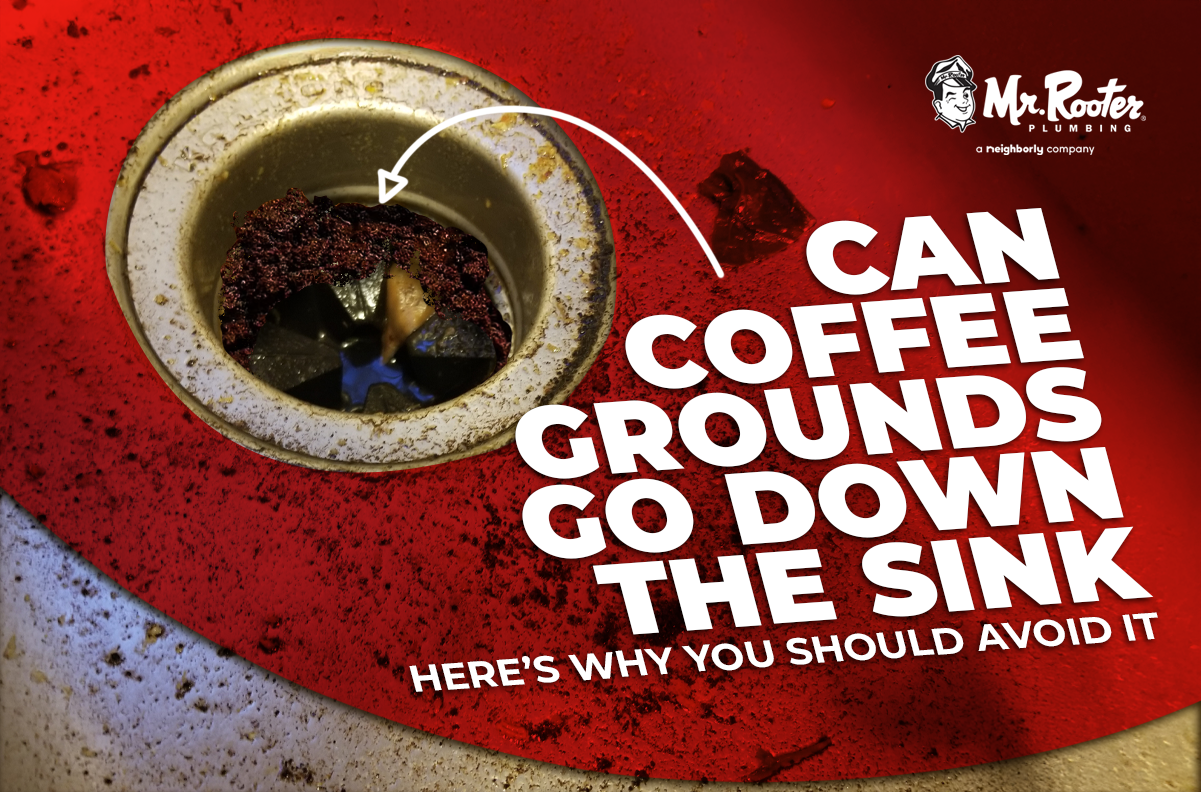
Pouring coffee grounds down the sink may seem harmless, but it’s a major cause of kitchen plumbing problems. Coffee grounds don’t dissolve in water and tend to clump together, sticking to other debris in pipes. Over time, this accumulation can lead to stubborn clogs, slow drainage, and even pipe damage. Fortunately, there are safe, eco-friendly alternatives to dispose of coffee grounds. This guide highlights why coffee grounds don’t belong in your sink, explains the risks of improper disposal, and offers practical solutions to protect your plumbing while promoting sustainable habits.
Why Coffee Grounds Shouldn’t Go Down the Sink
Coffee grounds may seem like a minor issue, but their improper disposal can create major plumbing problems. Here’s why they should never end up in your sink:
- Coffee Grounds Don’t Dissolve in Water
Unlike liquids or biodegradable food waste, coffee grounds don’t break down in water. Instead, they clump together, creating a gritty, sticky residue that can coat the inside of your pipes. As more grounds accumulate, the risk of blockages increases.
- They Can Combine with Grease to Create Clogs
Coffee grounds are particularly problematic when combined with grease or cooking oil. This mixture forms dense, stubborn clogs that can block your kitchen drain entirely. Once formed, these clogs are difficult to clear without professional help.
- Long-Term Pipe Damage
When coffee grounds are washed down the sink repeatedly, they build up over time, reducing water flow. This increased pressure on your pipes can cause cracks, leaks, or even complete pipe failure, especially in older plumbing systems.
- Impact on Septic Systems
If your home uses a septic system, coffee grounds are even more problematic. They don’t break down easily and can fill your septic tank faster than intended. This increases the need for frequent pumping and can disrupt the balance of your system, leading to costly repairs.
- Costs of Plumbing Repairs
Clogs caused by coffee grounds often require professional plumbing services to clear. Depending on the severity of the issue, repairs can range from simple drain cleaning to extensive pipe replacement, costing you time and money.
💡 Keeping coffee grounds out of your sink isn’t just about plumbing—it’s about avoiding the stress and expense of unexpected repairs. A simple habit change today can save you big headaches tomorrow.
How to Dispose of Coffee Grounds Properly
Disposing of coffee grounds safely doesn’t have to be complicated. Here are some eco-friendly and practical alternatives to throwing them down the sink:
- Mix coffee grounds into compost to improve soil quality and boost plant growth.
- Sprinkle grounds in your garden to deter pests like slugs and ants naturally.
- Throw them in the trash using a biodegradable bag to minimize waste.
- Use coffee grounds as an abrasive cleaner for scrubbing tough stains on pots and pans.
- Neutralize odors in your refrigerator by placing dried grounds in an open container.
- Create DIY exfoliating scrubs by mixing coffee grounds with coconut oil or honey.
- Add coffee grounds to homemade candles for a subtle coffee aroma.
- Use them as a natural dye for fabric or paper projects.
While it might seem convenient to wash coffee grounds down the sink, the risks far outweigh the benefits. From clogs and pipe damage to septic system issues, improper disposal of coffee grounds can lead to significant plumbing problems.
Instead, consider alternative disposal methods like composting, using grounds in the garden, or reusing them for household hacks. By adopting these eco-friendly practices, you’ll not only protect your plumbing but also contribute to a more sustainable lifestyle.
Small changes in your daily routine can make a big difference. Keep coffee grounds out of your sink and enjoy hassle-free plumbing for years to come.
Keeping coffee grounds out of your sink is a great start to preventing clogs and plumbing issues. But if you’ve noticed unpleasant smells like rotten eggs coming from your drain, it’s time to dig deeper. Odors like these can point to hidden problems in your pipes. Find out what’s causing the smell and how to fix it here: Why Does My Sink Smell Like Rotten Eggs?. Protect your plumbing with simple, effective solutions!