Plumbing is the unsung hero of our homes and commercial spaces, ensuring water flows in and out seamlessly. Cast iron plumbing, in particular, stands out for its durability and historical significance. However, the use of bleach for cleaning these sturdy pipes has raised concerns among property owners. Can bleach harm cast iron plumbing? Let’s delve into the intricacies of cast iron plumbing systems and the effects of bleach on them.
What is Cast Iron Plumbing?
Cast iron has been a cornerstone in the plumbing industry for centuries, celebrated for its strength and longevity. Originating from the 17th century, this material was the go-to for water distribution and waste management in buildings. Even with the advent of PVC and other materials, cast iron is still favored in many scenarios for its sound-dampening qualities and resistance to heat.
Why It’s Still Used Today
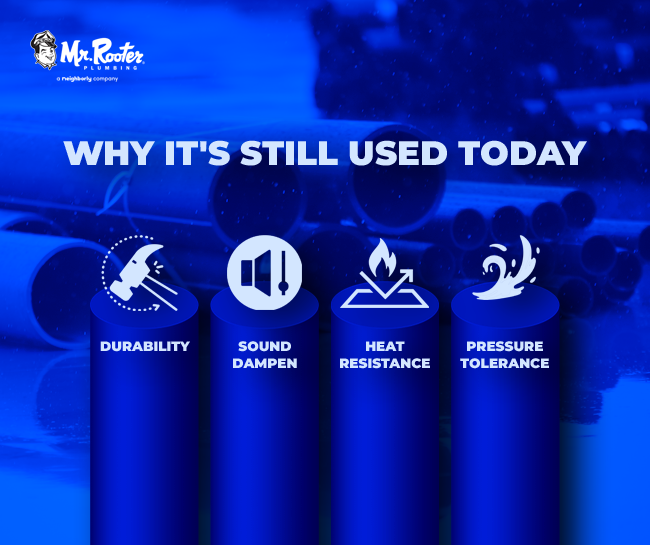
The continued use of cast iron in plumbing systems is not just a nod to tradition but a testament to its unmatched qualities. Despite the availability of newer materials, cast iron’s unique benefits ensure it remains a preferred choice for specific applications.
- Durability: Lasts for decades, offering a cost-effective, long-term plumbing solution.
- Sound Dampening: Minimizes water flow noise, perfect for multi-story buildings.
- Heat Resistance: Ideal for hot water and sewer systems due to its ability to withstand high temperatures.
- Pressure Tolerance: Handles significant water pressure, crucial for high-rise and industrial use.
💡 The blend of these characteristics ensures that cast iron plumbing remains a reliable and efficient choice for modern plumbing needs, marrying the legacy of the past with the demands of the present.
How Bleach Affects Your Cast Iron Pipes
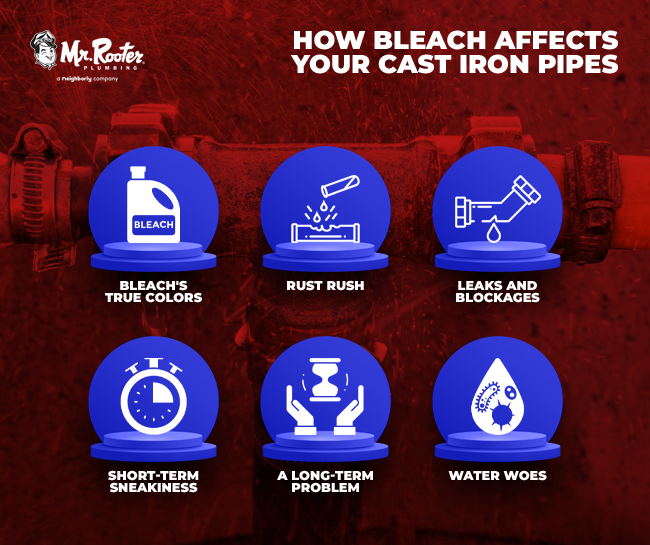
Understanding the effects of bleach on cast iron plumbing is crucial for maintaining the integrity and functionality of these systems. Here’s a detailed look into how bleach interacts with cast iron and the potential consequences of its use:
Bleach’s True Colors: Think of bleach as that super strong cleaner that zaps germs but also doesn’t play nice with your pipes. It’s like it’s too good at its job, causing more trouble than it’s supposed to.
Rust Rush: When bleach and cast iron have a party, rust is the uninvited guest that shows up. This isn’t just a little surface rust we’re talking about; it goes deep, weakening your pipes from the inside out.
Leaks and Blockages: Imagine having tiny leaks or blockages you can’t see until one day, water’s everywhere, or your sink’s not draining. That’s what can happen after using bleach too much—it’s a slow but sure path to plumbing headaches.
Short-term Sneakiness: Right after using bleach, everything seems fine—like nothing’s wrong. But under the surface, it’s secretly starting problems that’ll grow bigger over time.
A Long-term Problem: Keep using bleach, and you’re on a fast track to needing new pipes way sooner than you thought. It’s like speeding up the aging process for your plumbing.
Water Woes: Beyond just the pipes, think about what’s coming out of your tap. Rust and bits from the pipes can mix into your water, turning a simple glass of water into a cause for concern.
In short, while reaching for bleach might feel like you’re doing your plumbing a favor, it’s quite the opposite. Keeping your pipes clean and clear without harsh chemicals is the way to go to avoid turning a minor cleaning task into a major plumbing project.
Safer Alternatives to Bleach
Understanding the risks associated with bleach, it’s crucial to explore safer cleaning methods. Options include using mild dish soap and water for routine cleaning, or vinegar and baking soda for more thorough jobs. These alternatives are not only effective but also much gentler on the plumbing system.
Tips for Maintaining Cast Iron Pipes
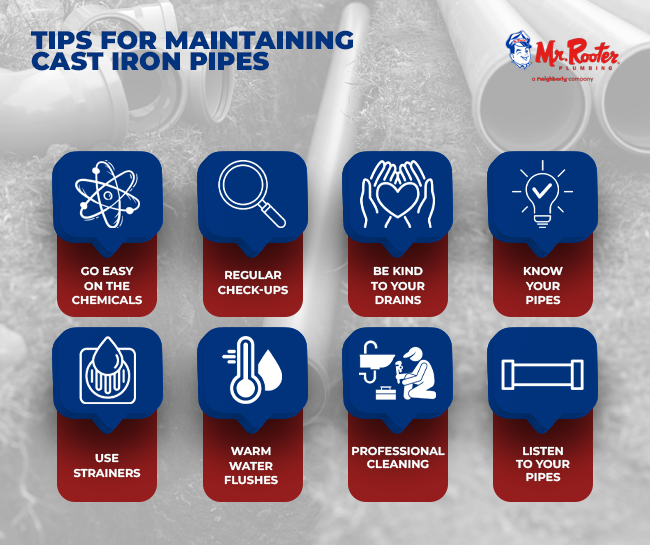
Keeping your cast iron pipes in tip-top shape doesn’t have to be a chore. Here are some homeowner-friendly tips to make sure your plumbing stays as good as new for as long as possible:
- Go Easy on the Chemicals: Think of your pipes like a sturdy but sensitive stomach. Just like some foods can upset your stomach, harsh chemicals can upset your pipes. Stick to gentler cleaning solutions to keep them happy and healthy.
- Regular Check-ups: Just like you’d see a doctor for a check-up, your pipes need regular inspections too. Catching a small problem early can save you from a big headache (and bill) down the road.
- Be Kind to Your Drains: Treat your drains with care. Avoid dumping things down them that don’t belong, like coffee grounds, grease, or any leftovers from last night’s dinner. They can cause clogs and upset your pipes.
- Know Your Pipes: Get familiar with where your pipes are and what condition they’re in. Knowing a bit about your home’s plumbing can help you spot issues before they turn into disasters.
- Use Strainers: Simple sink strainers can catch a lot of the stuff that shouldn’t go down your drain. It’s an easy and cheap way to prevent clogs.
- Warm Water Flushes: Occasionally running warm water through your pipes can help keep things moving smoothly. It’s like giving your pipes a nice, warm bath.
- Professional Cleaning: Sometimes, your pipes need a deep clean, and that’s when it’s time to call in the pros. Having a professional plumber clean your cast iron pipes can help extend their life and prevent issues.
- Listen to Your Pipes: Pay attention to the sounds your plumbing makes. Strange noises can be the first sign of a problem. If something sounds off, it might be time for a closer look.
💡 By following these simple tips, you can help ensure your cast iron plumbing continues to serve your home efficiently for years to come. Plus, you’ll have the peace of mind knowing you’re doing your part to maintain your home’s vital systems.
While cast iron plumbing is known for its durability, the use of bleach can compromise its integrity. By understanding the potential risks and adopting safer cleaning practices, you can protect your plumbing system and ensure it serves your property for years to come. Remember, the health of your plumbing is crucial to the overall well-being of your home or commercial space. Choose your cleaning agents wisely and embrace routine maintenance for lasting results.