A functional toilet is essential for any household, ensuring comfort and hygiene. When a toilet malfunctions, it can lead to significant inconvenience and potential damage to your home. This guide will help homeowners recognize the signs that a toilet may need replacement, how to test if it’s bad, and what to consider when choosing a new one.
Can a Toilet Go Bad?
Toilets, like any household fixture, can deteriorate over time. Common issues include frequent clogs, leaks, and inefficiency. These problems often result from wear and tear, age, or improper maintenance. As toilets age, their components can degrade, leading to decreased performance and reliability.
How Long Should Toilets Last?
On average, toilets can last between 10 to 15 years, depending on usage and maintenance. High-quality toilets with regular upkeep can exceed this lifespan, while lower-quality models or those with heavy use may need replacing sooner. Factors such as water quality, usage frequency, and maintenance practices significantly influence a toilet’s longevity.
Signs Your Toilet Needs Replacing
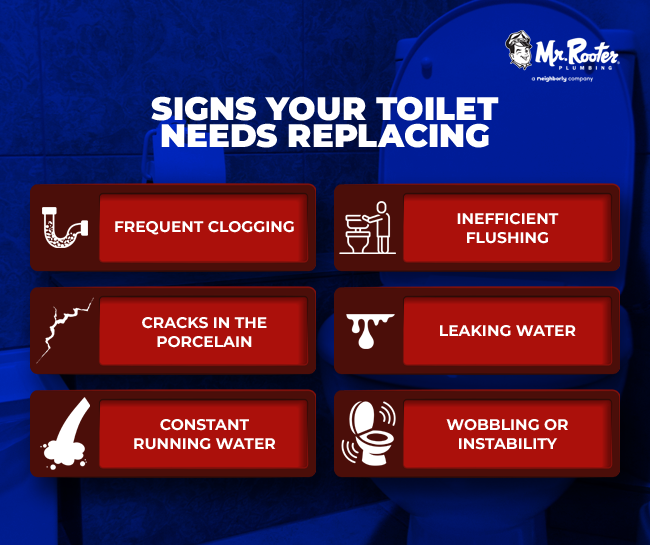
Identifying when a toilet needs replacing can save you from more significant issues down the line. Here are common signs to watch for:
- Frequent Clogging: If your toilet clogs more than once a week, it might indicate a larger issue.
- Cracks in the Porcelain: Visible cracks in the tank or bowl can lead to leaks and water damage.
- Constant Running Water: A toilet that continuously runs indicates a problem with the internal components, such as the flapper or fill valve.
- Inefficient Flushing: If your toilet struggles to flush efficiently, it may be due to an outdated or faulty flushing mechanism.
- Leaking Water: Water pooling around the base of the toilet or a wet floor could signal a leak.
- Wobbling or Instability: A toilet that rocks or feels unstable might have a damaged wax seal or loose bolts.
💡 By understanding these signs, homeowners can maintain a functional and comfortable living environment while avoiding unexpected and potentially costly plumbing issues.
How to Test if Your Toilet is Bad
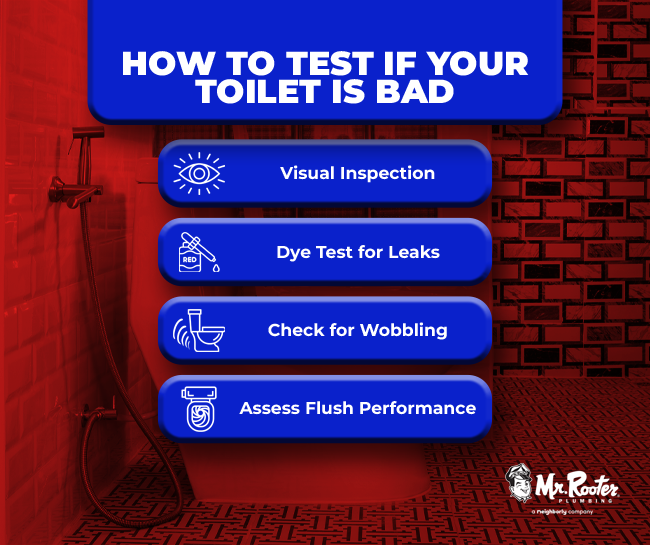
Testing your toilet for issues can help determine if it needs replacing. Here are practical steps to assess its condition:
- Visual Inspection: Check for cracks in the porcelain and signs of leaks around the base and tank.
- Dye Test for Leaks: Add a few drops of food coloring into the tank and wait 15 minutes without flushing. If the color appears in the bowl, there’s a leak.
- Check for Wobbling: Gently push the toilet to see if it rocks. Wobbling indicates loose components or a damaged wax seal.
- Assess Flush Performance: Evaluate how well your toilet flushes. Inefficiency or incomplete flushing can signal internal issues.
💡 Testing your toilet isn’t just about fixing immediate problems; it’s about ensuring long-term satisfaction and reliability.
What to Know When Replacing a Toilet
Replacing a toilet involves several considerations to ensure you choose the right model for your needs:
- Measuring for a New Toilet: Determine the rough-in dimensions, which is the distance from the wall to the center of the toilet drain. Common measurements are 10, 12, or 14 inches.
- Choosing the Right Type of Toilet: Decide between one-piece or two-piece toilets. One-piece toilets are easier to clean but more expensive, while two-piece models are more affordable but harder to maintain. Consider bowl shape as well—elongated bowls offer more comfort, while round bowls save space.
- Considering Water Efficiency: Modern toilets offer various flush technologies that use less water. Look for WaterSense labeled toilets, which use 20% less water than the federal standard.
- Installation Tips or Hiring a Professional: While DIY installation is possible, hiring a professional ensures proper setup and avoids potential issues. Consider the complexity of the installation and your plumbing skills.
- Budgeting for a New Toilet: Prices for new toilets can vary widely, from $100 to over $1,000. Factor in additional costs for installation, potential plumbing repairs, and removal of the old toilet.
Frequently Asked Questions
How do I know if my toilet needs replacing? Look for signs such as frequent clogging, cracks, constant running water, inefficient flushing, leaks, and instability.
How long should toilets last? Toilets typically last 10 to 15 years, but this can vary based on quality, usage, and maintenance.
What are the signs of a bad toilet? Common signs include frequent clogs, visible cracks, constant running water, inefficient flushing, leaks, and a wobbly base.
How do you test a toilet? Conduct a visual inspection for cracks and leaks, perform a dye test for leaks, check for wobbling, and assess the flush performance.
Ensuring your toilet is in good condition is crucial for maintaining a functional and hygienic bathroom. Recognizing the signs of a bad toilet and understanding the steps to test and replace it can prevent larger issues and enhance your home’s efficiency. If your toilet shows signs of needing replacement, take action promptly to avoid further complications.
For more home maintenance tips, plumbing guides, and professional plumbing services, explore our related articles and resources.