Homeowners often encounter the dilemma of how to dispose of cooking grease after preparing a meal. A common question that arises is, can you pour grease down the drain? Proper grease disposal is crucial for maintaining the integrity of your plumbing system and avoiding costly repairs. This guide will educate you on the dangers of pouring grease down the drain and provide safe and effective methods for disposing of cooking grease.
Will Grease Clog the Sink?
Yes, grease can and will clog your sink. When grease is poured down the drain, it combines with other debris like food particles, hair, and soap scum. This combination forms sticky clogs that are difficult to remove.
Immediate effects of grease include slow drainage and foul odors emanating from your sink. Over time, these clogs become more severe, potentially leading to complete blockages that prevent water from draining altogether. Signs of grease-related clogs include gurgling sounds, water backing up in the sink, and unpleasant smells.
What Happens If You Pour Grease Down the Drain?
Pouring grease down the drain may seem like a convenient way to dispose of it, but it can cause serious plumbing issues over time. As grease cools, it solidifies and sticks to the inner walls of your pipes, narrowing the pipe’s diameter and restricting water flow. Additionally, grease combines with other debris, such as food particles and soap scum, creating sticky clogs that are difficult to remove. These accumulations can lead to immediate clogs, slow drainage, and foul odors from your sink, signaling the beginning of more severe plumbing problems.
The consequences of pouring grease down the drain include:
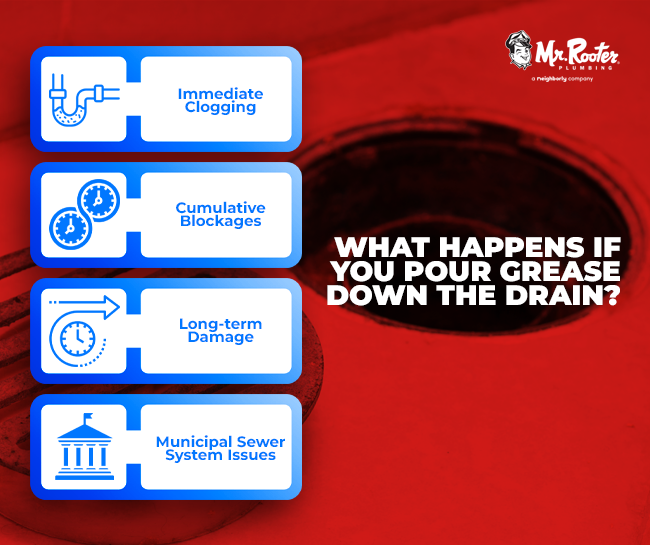
- Immediate Clogging: Grease can cause immediate clogs, leading to slow drainage and foul odors from your sink. This is often the first sign of grease buildup in your pipes.
- Cumulative Blockages: Over time, the grease buildup worsens, leading to more severe blockages. This can eventually result in complete pipe blockages that prevent any water from draining.
- Long-term Damage: Continuous grease disposal down the drain can cause long-term damage to your plumbing system. This might require extensive repairs or even replacement of the affected pipes.
- Municipal Sewer System Issues: On a larger scale, grease contributes to the formation of fatbergs in municipal sewer systems. These massive accumulations of fat, oil, and other debris can cause significant disruptions and expensive repairs for the city.
💡 Pouring grease down the drain might seem harmless initially, but it has the potential to cause extensive and costly plumbing issues both in your home and within the broader sewer system.
How to Get Rid of Cooking Grease
Proper disposal of cooking grease is essential to avoid plumbing issues. Here are some practical methods to get rid of grease safely:
- Let Grease Cool and Solidify
After cooking, allow the grease to cool and solidify. Pour the cooled grease into a container or jar that you can seal and dispose of in the trash. This method prevents grease from entering your plumbing system altogether.
- Use Containers or Jars for Disposal
Designate a container or jar for collecting cooking grease. Metal coffee cans, glass jars, or plastic containers with tight-fitting lids are ideal. Once the container is full, seal it and dispose of it with your regular household trash.
- Wipe Pans with Paper Towels
Before washing greasy pans, use paper towels to wipe out as much grease as possible. Dispose of the greasy paper towels in the trash. This step minimizes the amount of grease that goes down the drain during washing.
- Avoid Disposal in the Garbage Disposal
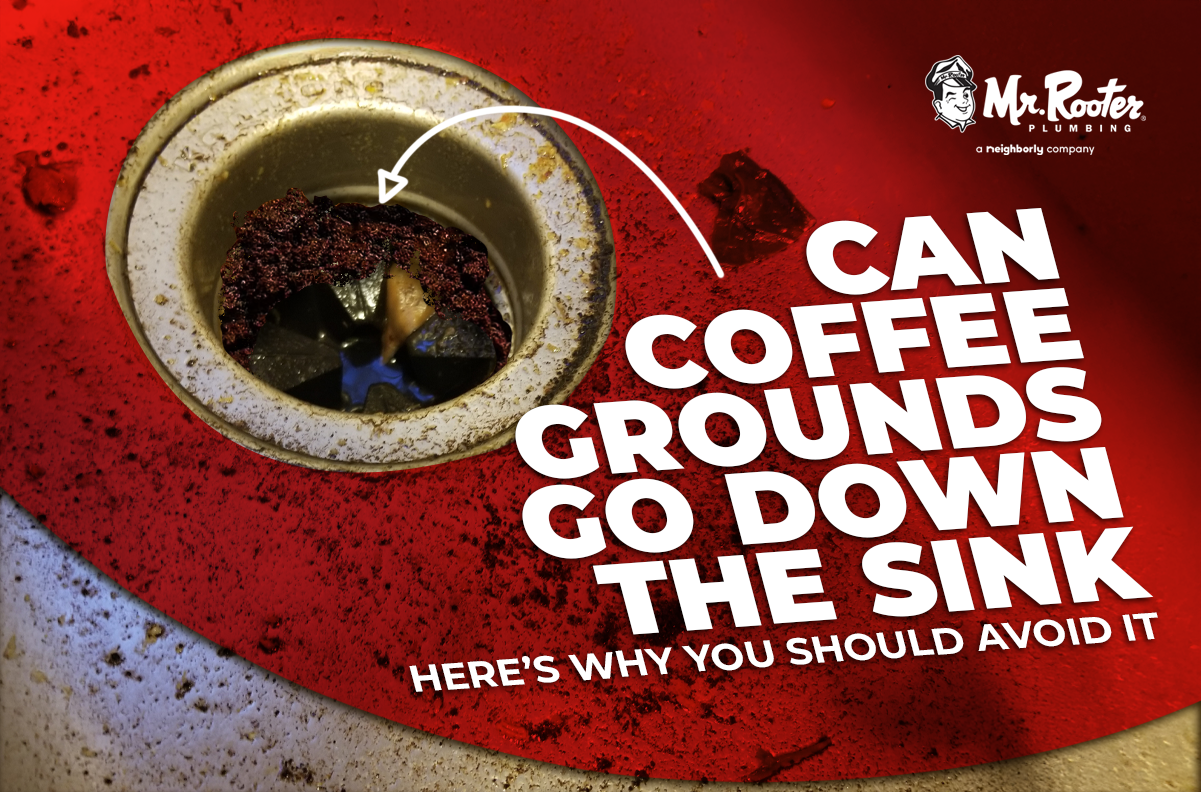
Never pour grease into the garbage disposal. While garbage disposals are designed to handle food scraps, they are not equipped to manage grease. Grease can coat the blades and pipes, leading to clogs and mechanical issues.
💡 Knowing how to dispose of cooking grease properly can save you from expensive plumbing repairs caused by clogs. By following safe disposal methods, you not only protect your plumbing system but also contribute to a more environmentally friendly waste disposal process.
Safe Methods to Dispose of Grease
Beyond simple disposal methods, there are safe and environmentally friendly ways to get rid of grease:
Disposing of Grease in the Trash
As mentioned earlier, sealing grease in a container and disposing of it in the trash is the easiest and most effective method. Ensure the container is well-sealed to prevent leaks and odors.
Recycling Options for Cooking Oil
Many recycling centers accept used cooking oil. Check with local recycling programs to see if they accept grease and oil. Some centers convert used oil into biodiesel, a renewable energy source.
Local Disposal Programs and Recycling Centers
Some municipalities have special disposal programs for cooking grease. These programs often provide collection containers and scheduled pickups. Contact your local waste management department for information on available services.
What to Do If You Accidentally Poured Grease Down the Drain
Accidents happen, and you may find yourself having poured grease down the drain. Here are immediate steps to take:
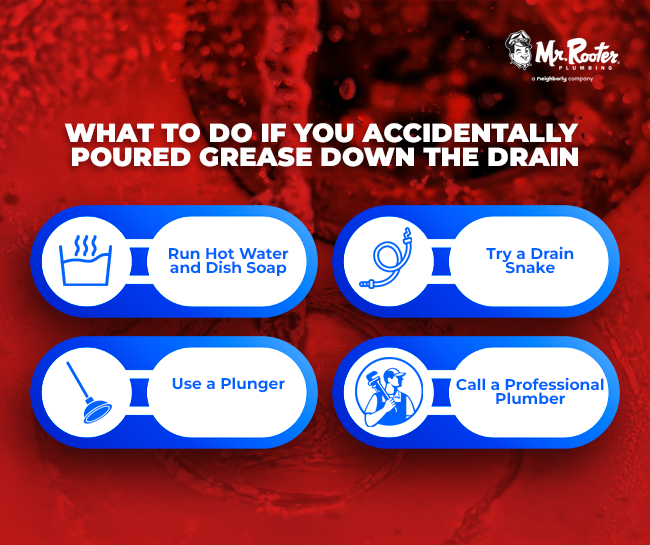
- Run Hot Water and Dish Soap: Immediately run hot water down the drain to liquefy the grease. Add dish soap to help break it down and continue running hot water for several minutes.
- Use a Plunger: If drainage is slow, use a plunger to create suction and dislodge the clog.
- Try a Drain Snake: Use a drain snake to break up and remove the grease clog.
- Call a Professional Plumber: If the clog persists, contact a professional plumber for expert assistance.
Proper disposal of cooking grease is essential to maintaining a healthy plumbing system and avoiding costly repairs. Never pour grease down the drain, as it can lead to severe clogs and long-term damage. Instead, follow the safe disposal methods outlined in this guide to protect your home’s plumbing.
By adopting these practices, you can prevent plumbing issues and contribute to a more efficient and environmentally friendly waste disposal system. Remember, a little caution goes a long way in preserving the health of your plumbing.