Stinky drains are a common problem for many homeowners. The unpleasant odors can permeate your home, making everyday activities less enjoyable. These smells often result from buildup within the pipes, causing bacteria and mold to flourish. Maintaining clean and odor-free drains is crucial not only for a pleasant living environment but also for the health and longevity of your plumbing system. In this guide, we’ll explore effective methods to clean and fix smelly drains, utilizing natural solutions and preventative measures to keep your home fresh.
Causes of Smelly Drains
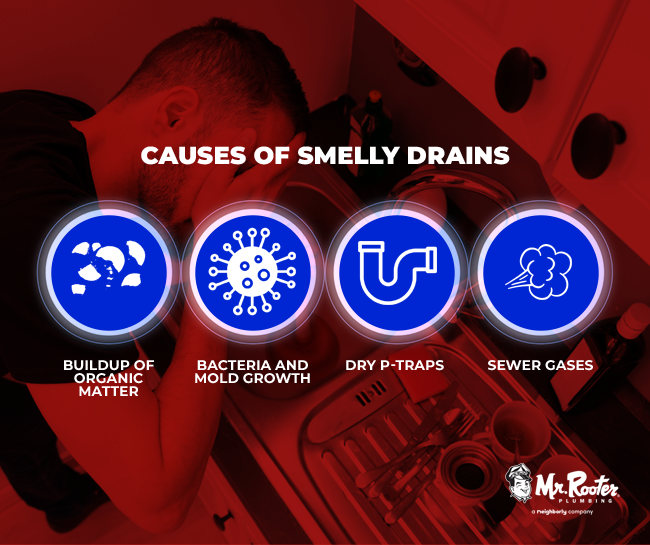
Understanding the root causes of smelly drains can help in effectively addressing the issue. Here are the primary culprits:
- Buildup of Organic Matter: Food particles, hair, soap scum, and other organic materials can accumulate in the pipes, providing a perfect breeding ground for bacteria.
- Bacteria and Mold Growth: The buildup of organic matter often leads to bacterial and mold growth, which emit foul odors.
- Dry P-Traps: P-traps are designed to hold water that blocks sewer gases from entering your home. When these dry out, the gases can escape, causing a rotten smell.
- Sewer Gases: If there are issues with the sewer system or ventilation, sewer gases can seep into your home through the drains.
💡 Knowing the root causes of smelly drains is key to stopping bad odors and preventing expensive plumbing problems.
How to Clean a Stinky Drain
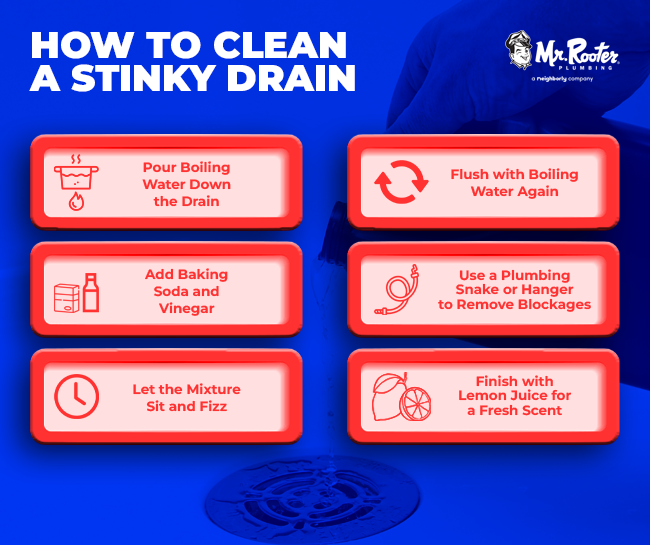
Dealing with a stinky drain can be unpleasant, but the good news is that it’s often a problem that can be resolved with a few simple steps. Here’s a detailed step-by-step guide to help you clean your stinky drain effectively:
Pour Boiling Water Down the Drain
Start with the simplest method first: boiling water. Boil a kettle or a large pot of water. Carefully pour the boiling water directly down the drain. This can help dissolve and flush away some of the accumulated grime and gunk.
Boiling water can help melt and dislodge fats and oils that may have solidified in the pipes. Be careful when handling boiling water to avoid burns. If your pipes are made of PVC, avoid pouring boiling water directly as it can damage the plastic.
Add Baking Soda and Vinegar
Next, you’ll use a classic cleaning combination: baking soda and vinegar. These two ingredients can work wonders when it comes to breaking down organic matter and deodorizing your drain.
Instructions:
- Pour 1/2 cup of baking soda down the drain.
- Follow it with 1 cup of white vinegar.
- The mixture will fizz and bubble as it reacts. This reaction helps to break down the gunk and kill bacteria.
- The chemical reaction between baking soda and vinegar can help dislodge debris and neutralize odors.
Let the Mixture Sit and Fizz
Allow the baking soda and vinegar mixture to sit in the drain for about 15 minutes. This waiting period is crucial as it gives the mixture time to work on the buildup inside the pipes.
Covering the drain with a plug or cloth can help keep the reaction concentrated within the pipe.
Flush with Boiling Water Again
After the mixture has had time to work, flush the drain with another kettle of boiling water. This will help wash away the loosened debris and any remaining vinegar and baking soda.
The second round of boiling water helps ensure that all the loosened gunk is thoroughly flushed out of the pipes.
Use a Plumbing Snake or Hanger to Remove Blockages
If the drain is still not completely clear, it may be necessary to manually remove any remaining blockages:
- Insert the plumbing snake or hanger into the drain.
- Push it through the pipe, twisting to catch and break up any blockages.
- Pull out the tool and dispose of any debris caught on it.
- Physically removing blockages ensures that any remaining stubborn debris is cleared out.
Finish with Lemon Juice for a Fresh Scent
To leave your drain smelling fresh, finish the cleaning process with lemon juice. Pour the lemon juice down the drain. Let it sit for a few minutes before running cold water.
Lemon juice is naturally acidic and has a pleasant scent. It helps to neutralize any remaining odors and leaves your drain smelling fresh.
💡 By following these steps, you can effectively clean your stinky drain and restore a fresh smell to your kitchen or bathroom. For ongoing maintenance, consider implementing some of the natural cleaning methods and preventative tips discussed in the following sections.
Preventative Tips to Avoid Smelly Drains
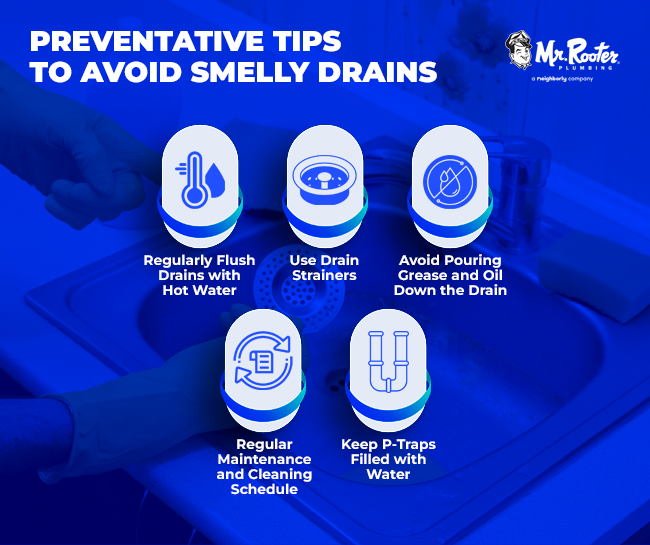
To prevent the issue from recurring, follow these preventative measures:
- Regularly Flush Drains with Hot Water: Pour hot water down your drains weekly to help prevent buildup.
- Use Drain Strainers: Place strainers over your drains to catch hair, food particles, and other debris before they enter the pipes.
- Avoid Pouring Grease and Oil Down the Drain: Grease and oil can solidify and cause blockages. Dispose of them in the trash instead.
- Regular Maintenance and Cleaning Schedule: Implement a routine cleaning schedule to keep your drains clear.
- Keep P-Traps Filled with Water: Ensure that P-traps always have water in them to block sewer gases.
Maintaining clean and odor-free drains is essential for a healthy and pleasant home. By understanding the causes and following the cleaning and preventative tips outlined in this guide, you can effectively tackle stinky drains. Remember, regular maintenance is key to preventing future issues. For persistent problems, don’t hesitate to seek professional help.