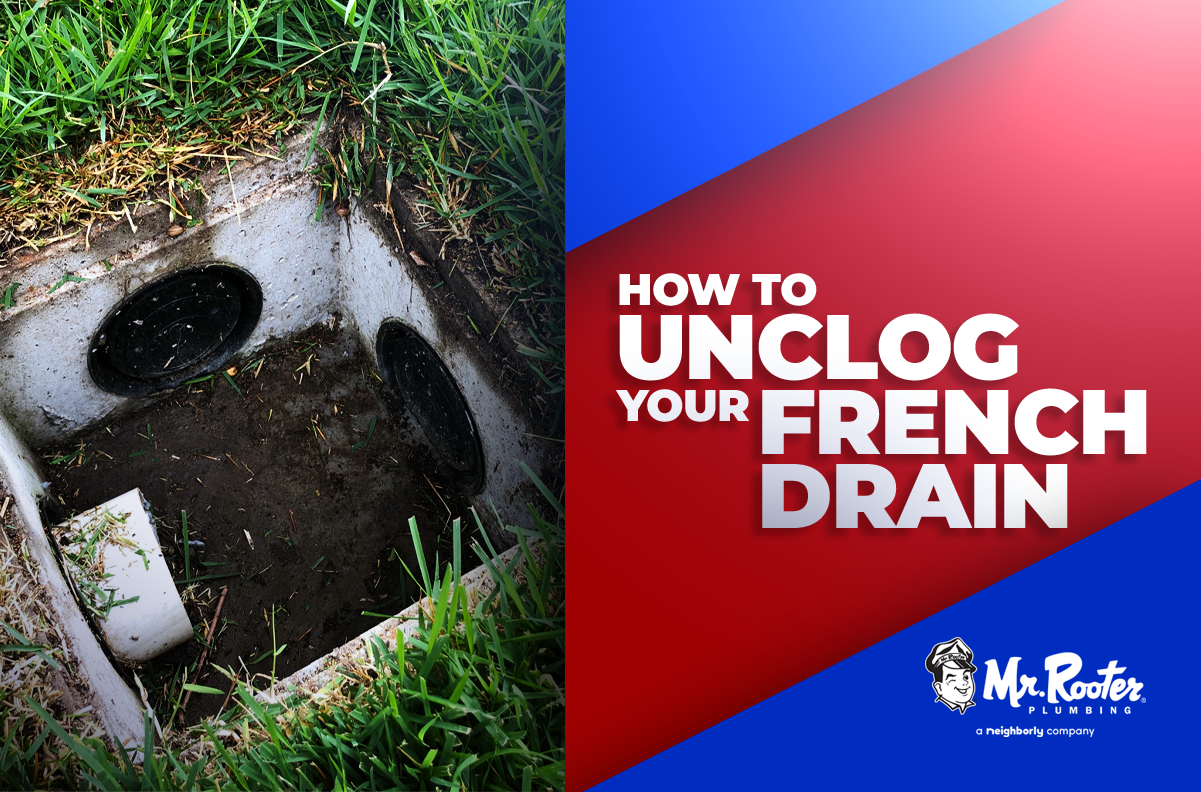
French drains are an essential part of many homes’ drainage systems, designed to channel water away from the foundation and prevent water damage. However, like any system, they require regular maintenance to function effectively. Clogged French drains can lead to significant problems, including water damage, mold growth, and structural issues. This guide will provide homeowners with comprehensive steps on how to unclog and maintain their French drains, ensuring effective drainage and preventing costly repairs.
Understanding French Drains
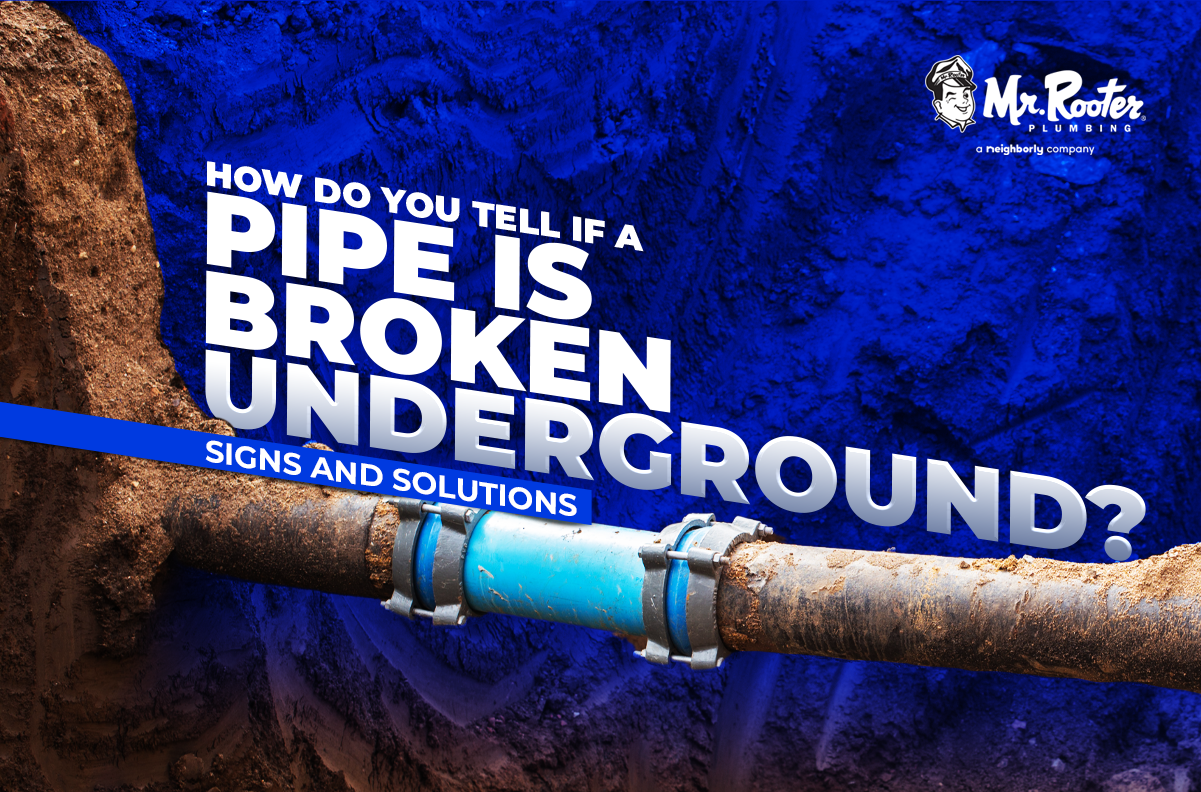
A French drain is a trench filled with gravel or rock containing a perforated pipe that redirects surface water and groundwater away from an area. It is commonly used to prevent ground and surface water from damaging foundations and to alleviate water accumulation around homes.
How French Drains Work
French drains work by allowing water to flow into the trench through gaps in the gravel and then into the perforated pipe. The pipe then channels the water away from the house to a safe drainage area, such as a storm drain or a dry well.
Common Causes of Clogs in French Drains
- Accumulation of dirt and debris over time
- Tree roots infiltrating the drainage system
- Improper installation leading to blockages
- Heavy sediment buildup from runoff
Signs of a Clogged French Drain
Identifying a clogged French drain early can save you from severe water damage. Look out for the following signs:
- Water pooling around the drain or in your yard
- Slow drainage in the area served by the French drain
- Unpleasant odors emanating from the drain
- Visible debris blocking the drain
💡 By being aware of early warning signs, you can address issues before they escalate and maintain a healthy, efficient drainage system.
How to Unclog a French Drain
Inspecting the Drain: Begin by visually inspecting the area around the drain for obvious signs of blockage or damage.
Removing Surface Debris: Clear any visible debris from around the drain entrance.
Using a Plumbing Snake: Insert a plumbing snake into the pipe to break up any obstructions within the drain itself.
Flushing the Drain with Water: After snaking, flush the drain with a high-pressure hose to clear any remaining debris.
Chemical Cleaners: Consider the use of chemical cleaners as a last resort. While effective, they can sometimes damage older piping or adversely affect the surrounding environment.
💡 By following these techniques, you can save money on professional services, prevent water damage, and maintain the efficiency of your drainage system, ensuring long-term protection.
French Drain Maintenance Tips
Maintaining your French drain is crucial for efficiency and preventing water damage. This section offers practical advice to keep your drainage system functioning optimally year-round.
- Regular Inspection: Check your French drain biannually for signs of sediment build-up or blockage.
- Proper Landscaping: Ensure the landscaping around your drain does not contribute to blockages. Use landscaping fabric to prevent root growth into the drain.
- Gutter Maintenance: Keep gutters clean to prevent overflow and excess water from burdening the drain system.
- Seasonal Maintenance: Before heavy rain seasons, ensure your drain is clear and functional.
Signs You Need a Professional
If clogs persist or you notice significant water damage, it’s time to call in a professional. Professionals can handle deeper, more complex issues and often have cameras and other tools that can diagnose problems non-invasively.
Maintaining your French drain is crucial to protecting your home from water damage. By following this guide, you can ensure that your French drain remains effective year-round. Remember, when in doubt, consult with a professional to avoid any potential damage to your home’s drainage system.