Have you ever been startled by unexpected noises coming from your water pipes? Whether it’s a loud bang, a persistent knocking, or an unsettling hissing sound, noisy water pipes can be a cause for concern for any homeowner. Understanding the reasons behind these noises is crucial, not only for your peace of mind but also for the health of your plumbing system. Addressing these issues promptly can prevent minor annoyances from escalating into costly repairs. In this guide, we’ll explore the common causes of noisy water pipes, offer practical solutions for fixing them, and provide tips to prevent future occurrences, ensuring your plumbing system remains quiet and efficient.
Are Noisy Water Pipes Dangerous?
Noisy water pipes can be more than just an annoyance; they can sometimes indicate underlying issues that pose risks to your home and plumbing system.
Potential risks associated with noisy pipes include:
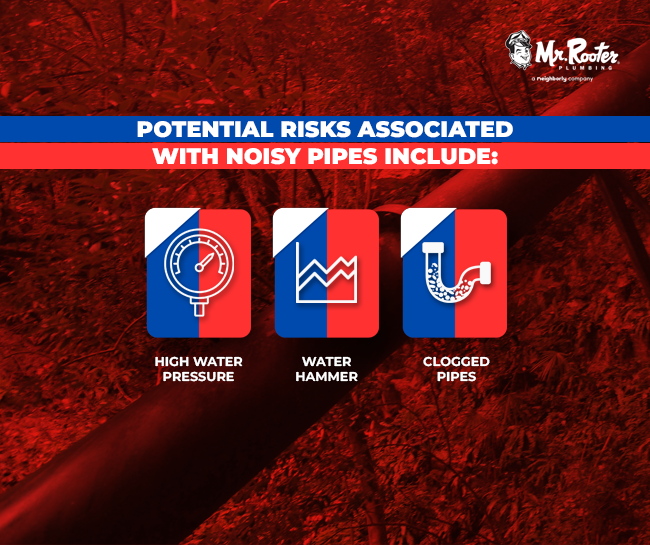
- High Water Pressure: This can lead to burst pipes, causing significant water damage.
- Water Hammer: Can result in leaks or pipe bursts if left unaddressed.
- Clogged Pipes: May eventually lead to complete blockages, causing backups and potential flooding.
💡 While not all noises indicate immediate danger, it’s important to monitor your plumbing system and address any unusual sounds promptly. If you’re unsure about the cause of the noise or how to fix it, it’s best to seek professional help to prevent further damage.
Common Causes of Noisy Water Pipes
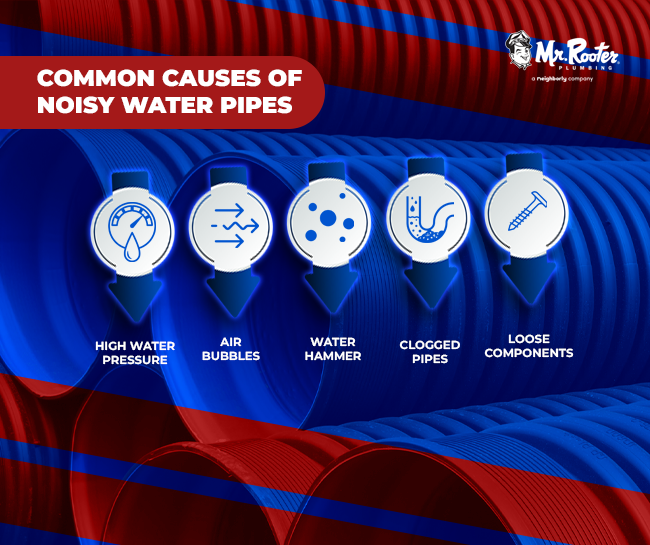
Noisy water pipes can be troubling for homeowners. Understanding the underlying causes is essential for finding effective solutions. By identifying the reasons behind the noise, you can restore peace and ensure your plumbing system operates smoothly.
High Water Pressure
One of the most common causes of noisy water pipes is high water pressure. When the water pressure in your home is too high, it can cause pipes to vibrate and create noise. This is particularly noticeable when you turn off a faucet or an appliance stops using water. High water pressure can strain your plumbing system, leading to potential leaks or burst pipes.
To determine if high water pressure is the culprit, you can use a water pressure gauge to measure the pressure. Ideally, the water pressure in your home should be between 40 and 60 psi (pounds per square inch). If it’s higher, consider installing a pressure-reducing valve to bring it down to a safe level.
Water Hammer
Water hammer is another frequent cause of noisy pipes. This phenomenon occurs when the flow of water is suddenly stopped, causing a shock wave that makes the pipes bang or rattle. It often happens when you quickly shut off a faucet or when an appliance like a washing machine or dishwasher stops filling with water.
To fix water hammer, you can install water hammer arrestors. These devices absorb the shock wave and prevent the pipes from banging. They are typically installed near the source of the water hammer, such as behind appliances or under sinks.
Air Bubbles
Air bubbles trapped in your pipes can also create noise. These bubbles can cause a gurgling or banging sound as they move through the plumbing system. Air bubbles can enter the pipes during repairs or if there is an issue with your water supply.
To remove air bubbles, start by turning off the main water supply. Open all faucets and let the water drain out completely. Then, turn the main water supply back on and allow the water to flow through the faucets until the air bubbles are purged from the system.
Clogged Pipes
Clogged pipes can cause a variety of noises, including gurgling, banging, or whistling. When debris or mineral deposits build up inside the pipes, it restricts water flow and increases pressure, leading to noise.
To clear clogged pipes, you can use a plumbing snake or a chemical drain cleaner. For severe clogs, it may be necessary to call a professional plumber to thoroughly clean the pipes and restore proper water flow.
Loose Components
Loose components in your plumbing system can also result in noisy pipes. Over time, the brackets and straps that hold the pipes in place can become loose, allowing the pipes to move and create noise.
To fix this issue, inspect the pipes and secure any loose brackets or straps. Adding additional supports where needed can also help to stabilize the pipes and reduce noise.
💡 Understanding why your water pipes are noisy can empower you to take the necessary actions for a quieter, more smoothly running plumbing system. This ensures your home remains peaceful and functions effectively.
Preventing Future Noise in Water Pipes
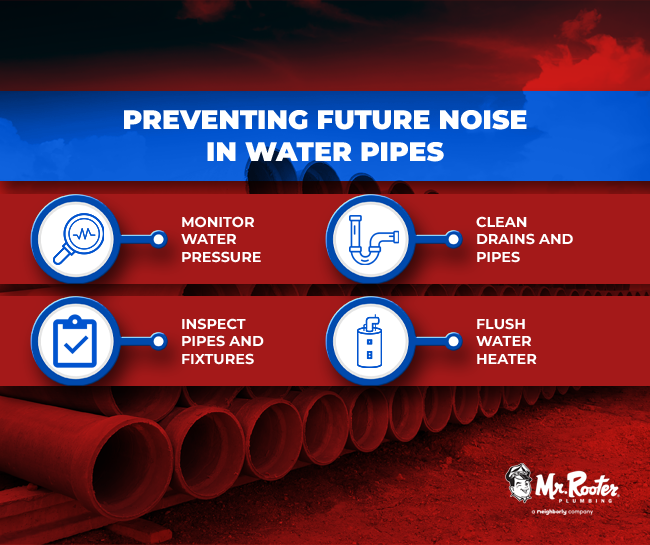
Regular maintenance is key to preventing noisy water pipes. Here are some tips to keep your plumbing system in good condition:
- Monitor Water Pressure: Regularly check your water pressure to ensure it remains within the recommended range (40-60 psi). Install a PRV if necessary.
- Inspect Pipes and Fixtures: Periodically inspect your pipes and fixtures for signs of wear and tear, leaks, or loose components.
- Clean Drains and Pipes: Use drain cleaners or plumbing snakes to keep your pipes clear of debris and prevent clogs.
- Flush Water Heater: Sediment buildup in your water heater can cause noise and reduce efficiency. Flush your water heater regularly to remove sediment.
When to Call a Professional Plumber
While many plumbing issues can be addressed with DIY solutions, there are times when it’s best to call a professional plumber. If you encounter persistent noise despite your efforts, experience frequent leaks, or notice a significant drop in water pressure, a plumber can diagnose and fix the problem. Regular inspections by a professional can also help to identify and address potential issues before they become major problems.
Noisy water pipes can be a source of frustration for homeowners, but with the right knowledge and tools, you can address and prevent these issues. By understanding the common causes of noisy pipes, taking proactive steps to fix them, and maintaining your plumbing system regularly, you can enjoy a quieter, more efficient home. Don’t hesitate to take action and keep your plumbing system in top shape – your ears (and your wallet) will thank you!
Explore our comprehensive guide on pipe corrosion: types, causes, and prevention strategies. Equip yourself with the knowledge to protect your plumbing system and prevent costly repairs. Dive into the details here: Common Types of Pipe Corrosion and How to Prevent Them