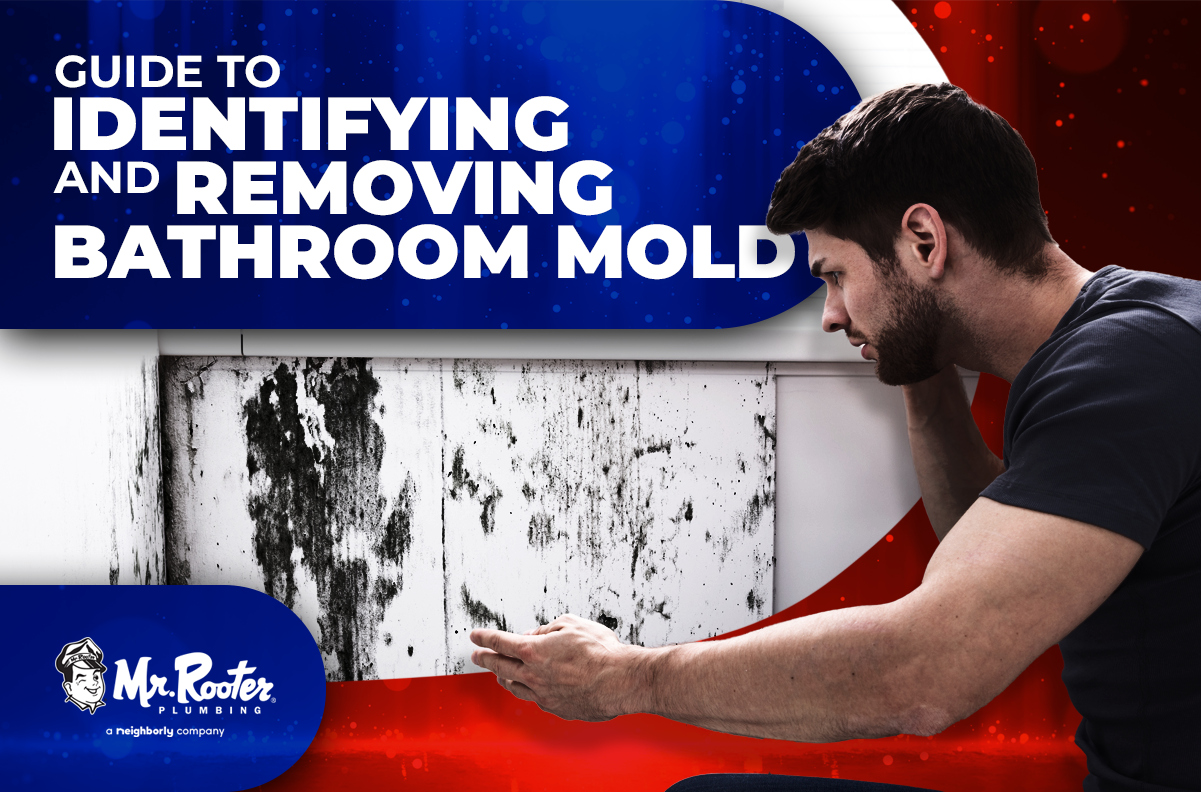
Mold in the bathroom can be a persistent and troublesome issue for many homeowners. Not only does it create unsightly stains and unpleasant odors, but it can also pose health risks if left unchecked. Understanding the types of mold that commonly grow in bathrooms and learning how to identify and remove them is crucial for maintaining a safe and healthy home environment.
In this guide, we’ll walk you through the most common types of bathroom mold, how to spot them, and effective methods for removing them. By the end of this article, you’ll be well-equipped to tackle any mold issues in your bathroom and prevent them from returning.
Common Types of Bathroom Mold
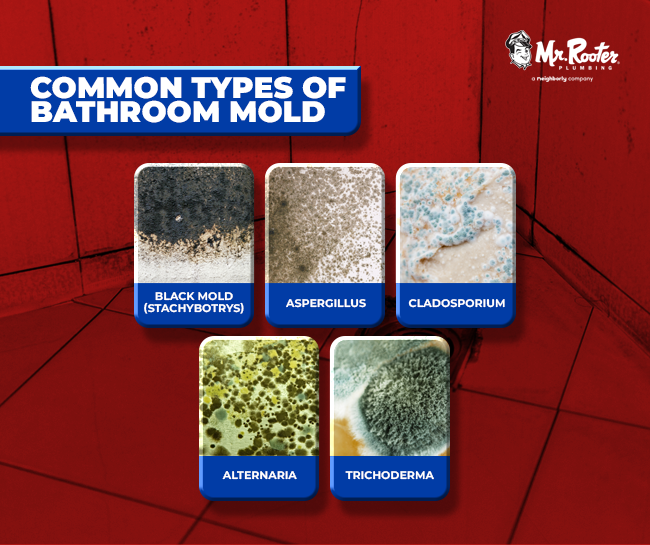
Understanding the different types of mold that can grow in your bathroom is essential for effective identification and removal. Here are the most common types you might encounter and how to recognize them.
Black Mold (Stachybotrys)
Black mold, also known as Stachybotrys, is perhaps the most notorious type of mold due to its dark appearance and potential health risks. It typically grows in damp, cellulose-rich environments such as wood, paper, and drywall. In bathrooms, you might find black mold around leaky sinks, in shower corners, or on damp walls.
Aspergillus
Aspergillus is a common mold found in many households, including bathrooms. It appears in various colors, including green, yellow, and white. Aspergillus thrives in warm, humid areas and can often be found on damp walls, ceilings, and shower curtains. While it is less harmful than black mold, prolonged exposure can still cause respiratory issues.
Cladosporium
Cladosporium is a versatile mold that can grow in both warm and cool environments. It usually appears as olive-green or brown patches and is commonly found on painted surfaces, tile grout, and wood. In bathrooms, Cladosporium can grow on damp towels, shower curtains, and around windows.
Alternaria
Alternaria is another common bathroom mold that typically appears as dark green or brown spots. It thrives in damp, warm environments and is often found in showers, around sinks, and on windowsills. Alternaria can cause allergic reactions and respiratory problems, making it important to address promptly.
Trichoderma
Trichoderma is a fast-growing mold that appears as green or white patches. It is commonly found on damp wood, wallpaper, and fabrics. In bathrooms, Trichoderma can grow on shower walls, under sinks, and behind wallpaper. While it is less toxic than some other molds, it can still cause health issues with prolonged exposure.
💡 Understanding the common types of bathroom mold empowers you to identify, remove, and prevent mold more effectively, safeguarding both their health and their property.
Is Bathroom Mold Unsafe?
Mold in the bathroom is not just an aesthetic issue; it can also pose health risks. Exposure to mold spores can cause allergic reactions, respiratory problems, and skin irritation. People with asthma, allergies, or compromised immune systems are particularly vulnerable to mold-related health issues. Therefore, it’s crucial to address mold problems promptly to ensure a safe and healthy living environment.
Identifying Mold in Your Bathroom
Knowing how to identify mold in your bathroom is crucial for maintaining a healthy living environment. Here’s how to spot visual signs and locate common areas where mold tends to grow.
Visual Signs of Mold
The most straightforward way to identify mold in your bathroom is through visual inspection. Look for discoloration or spots in areas prone to moisture, such as shower walls, around sinks, and near windows. Mold can appear in various colors, including black, green, brown, and white.
Common Areas Where Mold Grows
- Shower: The constant moisture in showers makes them a prime location for mold growth. Check the grout lines, corners, and shower curtains for signs of mold.
- Under Sinks: Leaks and condensation under sinks can create a damp environment conducive to mold growth. Inspect the area regularly for any signs of mold.
- Tiles: Mold can grow between tiles, especially if the grout is not sealed properly. Look for dark spots or discoloration in the grout lines.
- Windows: Condensation on windows can lead to mold growth on the windowsill and surrounding areas. Keep an eye out for mold around bathroom windows.
Finding Hidden Mold in Your Bathroom
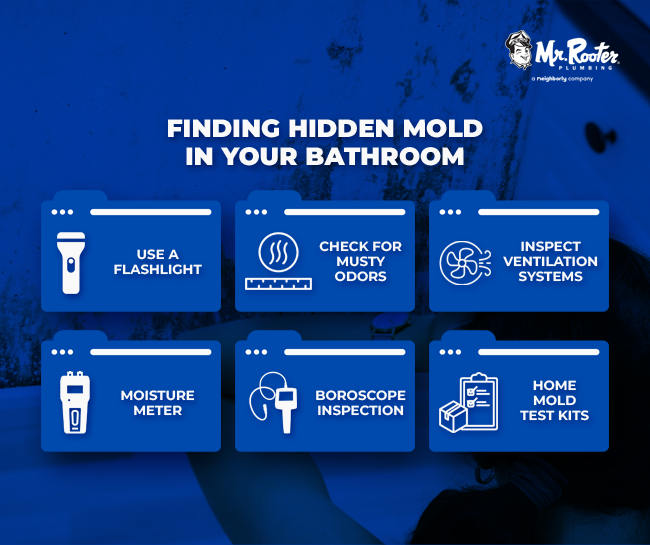
Homeowners often overlook hidden mold, which can pose significant health risks if left undetected. Finding mold in less obvious places is crucial for maintaining a healthy bathroom environment. Here are methods to detect hidden mold:
- Use a Flashlight:
Shine a flashlight into dark corners, under sinks, behind toilets, and other areas that are hard to see clearly. Mold often thrives in these hidden spots.
- Check for Musty Odors:
A persistent musty smell is often a sign of mold. Follow the scent to locate the source, which might be hidden behind walls or under flooring.
- Inspect Ventilation Systems:
Poor ventilation can lead to mold growth. Check exhaust fans, air vents, and ductwork for any signs of mold buildup.
- Moisture Meter:
Utilize a moisture meter to identify damp areas in your bathroom. High moisture levels often indicate potential mold growth behind walls or beneath surfaces.
- Boroscope Inspection:
A boroscope is a flexible camera that allows you to inspect hard-to-reach areas, such as inside wall cavities and under flooring, where mold might be hidden.
- Home Mold Test Kits:
These kits can help you identify the presence of mold by collecting air or surface samples for laboratory analysis.
💡 Mold has been found to thrive in unexpected places like inside showerheads or within the folds of bathroom curtains. Detecting these hidden growths early is essential for ensuring a hygienic and safe bathroom environment for your household.
Tips for Removing Mold in Bathrooms
Removing mold from your bathroom should be a top priority for every homeowner to maintain a healthy living environment. Ensuring you use the right techniques and tools is crucial for effective mold removal.
- Scrubbing with Baking Soda and Vinegar: Mix baking soda and vinegar to create a powerful cleaning solution. Apply the mixture to moldy areas, let it sit for a few minutes, then scrub with a brush to remove the mold.
- Bleach Solution: For non-porous surfaces, use a bleach solution (1 part bleach to 10 parts water) to kill mold. Apply the solution, let it sit for a few minutes, then rinse thoroughly to remove any residue.
- Hydrogen Peroxide: Spray hydrogen peroxide directly onto the moldy area. Let it sit for a few minutes to kill the mold, then wipe it clean with a cloth.
- Improve Ventilation: Ensure your bathroom is well-ventilated by using exhaust fans during and after showers, and opening windows to reduce humidity levels.
- Fix Leaks Promptly: Repair any leaks or plumbing issues immediately to prevent moisture buildup, which can lead to mold growth.
- Regular Cleaning: Clean your bathroom regularly, focusing on areas prone to moisture and mold growth. Wipe down surfaces after use to keep them dry.
Dealing with bathroom mold can be a daunting task, but with the right knowledge and tools, you can keep your bathroom mold-free and safe. Remember to regularly inspect for mold, address any moisture issues promptly, and use effective cleaning techniques to remove mold when it appears.
Take action today to ensure a clean and healthy bathroom environment. Regular maintenance and vigilance are key to preventing mold from becoming a recurring problem. By following the tips and advice in this guide, you’ll be well-equipped to tackle any mold issues and keep your bathroom looking its best.
Take action today to eliminate that unpleasant shower drain smell! Learn how to fix it with simple steps in our comprehensive guide: How to Fix a Smelly Shower Drain: Causes and Solutions