Nothing is quite as off-putting as stepping into your bathroom and being greeted by a musty odor. Not only is it unpleasant, but it can also signal underlying issues that need addressing. Whether it’s damp towels, hidden mold, or poor ventilation, these smells can be more than just a nuisance—they can affect your health and the integrity of your home. In this guide, we’ll delve into the common causes of musty bathroom smells and provide you with actionable solutions to eliminate and prevent them, ensuring your bathroom stays fresh and inviting.
Common Causes of Musty Bathroom Smells
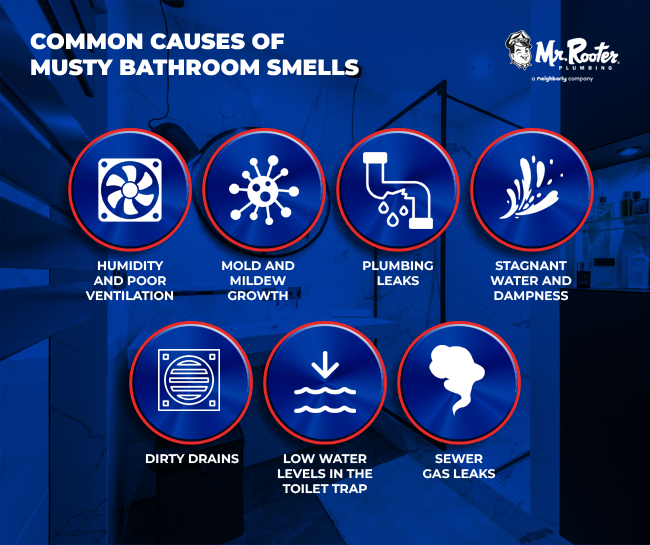
Understanding the root cause of musty smells is the first step in tackling the problem. Here are the most common culprits:
- Humidity and Poor Ventilation
Bathrooms are naturally humid environments, and without adequate ventilation, this moisture has nowhere to go. Over time, this can lead to damp surfaces and lingering odors.
- Mold and Mildew Growth
Mold and mildew thrive in moist, warm conditions, making bathrooms a prime location for their growth. These fungi can hide in grout lines, behind tiles, and under sinks, releasing musty odors as they spread.
- Plumbing Leaks
Leaks in your plumbing can create damp areas that are perfect for mold and mildew. Even a small, slow leak can contribute to a persistent musty smell.
- Stagnant Water and Dampness
Water that doesn’t drain properly or areas that remain damp for extended periods can develop musty odors. This can include everything from a slow-draining sink to a shower that doesn’t dry out completely between uses.
- Dirty Drains
Over time, drains can accumulate soap scum, hair, and other debris, which can create a breeding ground for bacteria and mold. This buildup can produce unpleasant odors that permeate your bathroom.
- Low Water Levels in the Toilet Trap
The toilet trap holds water to block sewer gases from entering your home. If the water level is too low, these gases can escape, leading to a foul smell in your bathroom.
- Sewer Gas Leaks
Cracks or leaks in your sewer lines can allow sewer gases to seep into your bathroom. These gases not only smell bad but can also be hazardous to your health.
💡 By identifying these common causes, you can better address and prevent musty smells in your bathroom, ensuring it remains a pleasant and healthy space.
How to Get Rid of Musty Smells in the Bathroom
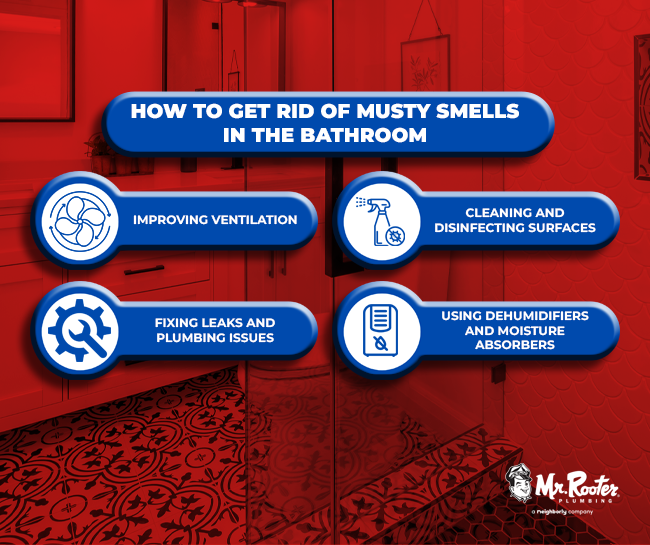
Once you’ve identified potential sources of musty smells, it’s time to tackle them head-on. Here are some effective strategies:
Improving Ventilation
Ensure your bathroom has proper ventilation. If you have an exhaust fan, use it during and after showers to remove excess moisture. If possible, open windows to allow fresh air to circulate. In some cases, installing a more powerful exhaust fan might be necessary.
Cleaning and Disinfecting Surfaces
Regular cleaning is crucial. Use a mixture of vinegar and water to wipe down surfaces and kill mold spores. For tougher spots, consider a commercial mold cleaner. Pay special attention to grout lines, tile surfaces, and under sinks.
Fixing Leaks and Plumbing Issues
Inspect your plumbing regularly for leaks. Check under sinks, around the base of toilets, and around your shower or bathtub. If you find a leak, repair it promptly to prevent dampness and mold growth.
Using Dehumidifiers and Moisture Absorbers
A dehumidifier can be a game-changer for keeping your bathroom dry. Alternatively, moisture absorbers, such as silica gel packs or activated charcoal, can help reduce humidity and prevent musty odors.
Does a Musty Smell Mean Mold?
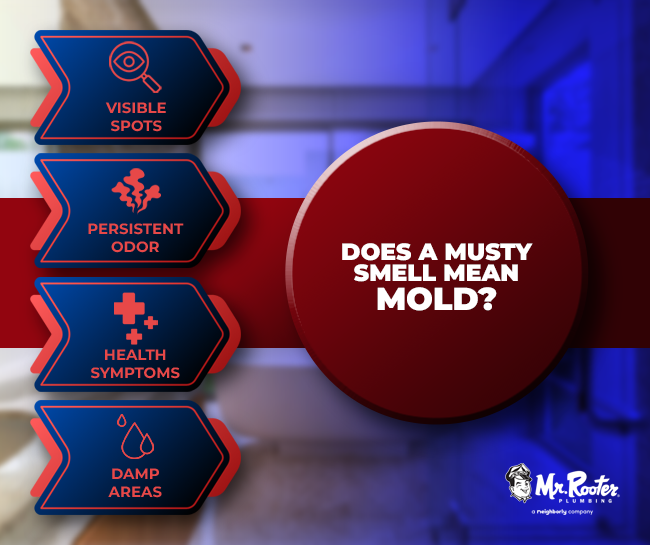
Not all musty smells are from mold, but mold-related smells are not only unpleasant but can also pose health risks. Here’s how to identify signs of mold presence in your bathroom:
- Visible Spots: Look for black, green, or white spots on walls, ceilings, and grout lines.
- Persistent Odor: A musty smell that lingers even after cleaning.
- Health Symptoms: Unexplained allergies, respiratory issues, or skin irritation.
- Damp Areas: Consistently damp or wet areas, particularly in hidden spots like under sinks or behind tiles.
💡 By recognizing these signs, you can take appropriate measures to address mold issues in your bathroom and maintain a healthy environment. Consider using a mold test kit to check for mold spores and confirm the presence of mold.
Preventing Musty Smells in the Future
Prevention is the best approach to keeping your bathroom fresh and odor-free. Here are some tips:
- Regular Cleaning and Maintenance Tips
Clean your bathroom regularly using mold-inhibiting cleaners. Ensure surfaces are dried thoroughly after use, and don’t let damp towels or bath mats sit for long periods.
- Ensuring Proper Ventilation
Make sure your bathroom is well-ventilated, especially after showers. Use exhaust fans or open windows to allow moisture to escape.
- Using Mold-Resistant Materials
Consider using mold-resistant paint and materials in your bathroom. These can help prevent mold growth and keep your bathroom smelling fresh.
- Routine Inspections for Leaks and Dampness
Regularly inspect your bathroom for any signs of leaks or dampness. Address any issues promptly to prevent mold and mildew from taking hold.
A musty bathroom smell doesn’t have to be a permanent part of your home. By understanding the common causes and taking proactive steps, you can eliminate these odors and prevent them from returning. Regular cleaning, proper ventilation, and prompt attention to leaks are key. Remember, a fresh bathroom is not only more pleasant but also healthier for you and your family. So roll up your sleeves, follow these tips, and enjoy a clean, fresh-smelling bathroom.
Ready to tackle those pesky fruit flies too? Learn why they invade your bathroom and how to keep them out for good in our detailed guide: Why Are There Fruit Flies in My Bathroom. Your bathroom should be a sanctuary, not a breeding ground for pests and odors. Dive in now!