Maintaining cast iron drain pipes is crucial for the longevity and efficiency of your plumbing system. Over time, these pipes can accumulate rust, debris, and other buildups that cause blockages and damage. Neglecting the maintenance of cast iron drain pipes can lead to costly repairs and severe plumbing issues. This guide will walk you through the best methods for cleaning cast iron drain pipes, addressing common concerns, methods, costs, and safe practices.
Understanding Cast Iron Drain Pipes
Cast iron drain pipes have been a popular choice for many years due to their durability and noise-reducing properties. These pipes are known for their long lifespan and ability to handle high-pressure water flow, making them ideal for both residential and commercial properties. However, they are not without their problems. Common issues include rust, mineral buildup, and blockages that can significantly reduce water flow and cause unpleasant odors.
Signs Your Cast Iron Drain Pipes Need Cleaning
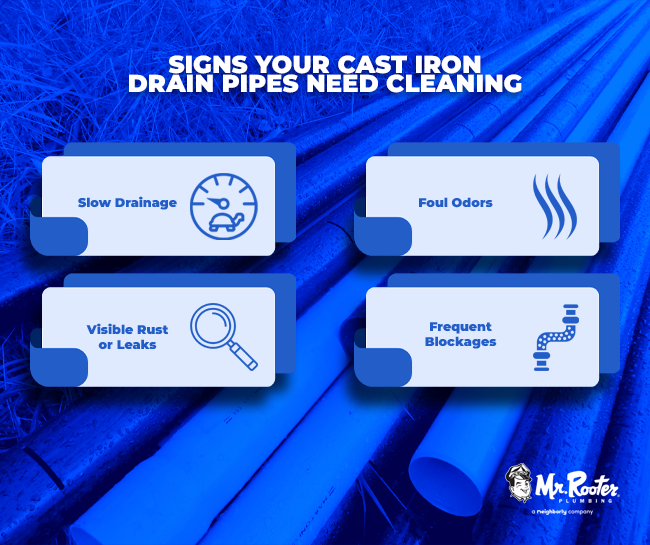
It’s essential to recognize the signs that your cast iron drain pipes need cleaning to prevent significant damage:
- Slow Drainage: If water is taking longer than usual to drain, it could indicate a blockage.
- Foul Odors: Persistent unpleasant smells from your drains may signal a buildup of organic material and rust.
- Visible Rust or Leaks: Check for any visible rust or leaks around your pipes, which can indicate corrosion.
- Frequent Blockages: Regularly dealing with blockages can suggest a severe buildup problem inside the pipes.
Best Methods for Cleaning Cast Iron Drain Pipes
Maintaining cast iron drain pipes is essential for preventing costly blockages and damage. This guide provides effective methods and safe practices to ensure your pipes remain clear and in excellent condition.
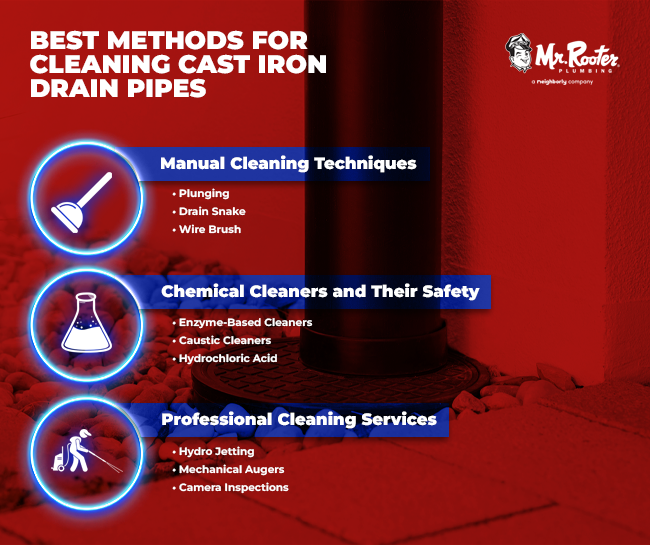
Manual Cleaning Techniques
Manual cleaning is a straightforward method that can be effective for minor buildups:
- Plunging: Use a plunger to dislodge minor blockages.
- Drain Snake: A drain snake or auger can be inserted into the pipe to break up clogs.
- Wire Brush: For accessible pipes, a wire brush can scrub away rust and debris.
Chemical Cleaners and Their Safety
Chemical cleaners can dissolve buildup but must be used cautiously to avoid damaging the pipes:
- Enzyme-Based Cleaners: These are safe for cast iron pipes and work by breaking down organic material.
- Caustic Cleaners: Products containing sodium hydroxide can dissolve grease and other buildups but should be used sparingly.
- Hydrochloric Acid: Highly effective but must be used with extreme caution due to its corrosive nature.
Professional Cleaning Services
For severe blockages or buildups, professional services offer advanced cleaning techniques:
- Hydro Jetting: This method uses high-pressure water to clear out heavy buildups and blockages.
- Mechanical Augers: Professionals use motorized augers to break up and remove stubborn clogs.
- Camera Inspections: To accurately identify problem areas, professionals may use a camera to inspect the inside of the pipes.
DIY vs. Professional Descaling
While some homeowners may attempt to descale their pipes using DIY methods, it is generally advisable to seek professional help. Professionals have the expertise and equipment to handle the descaling process efficiently and safely, ensuring that the pipes are thoroughly cleaned without causing damage. DIY attempts, while cheaper upfront, can sometimes lead to incomplete descaling or accidental damage, resulting in higher costs down the line for repairs and additional cleaning.
Preventive Maintenance Tips
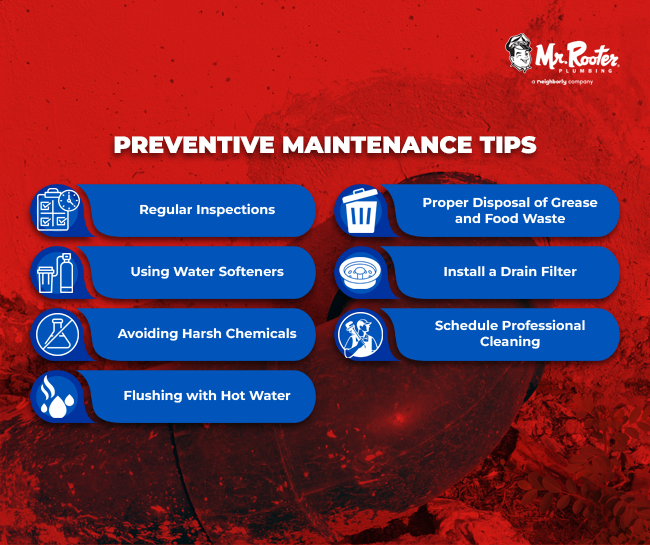
Preventive maintenance is key to extending the life of your cast iron drain pipes and ensuring they function efficiently. Here are seven tips to help you keep your pipes in top condition:
- Regular Inspections:
Periodically inspect your pipes for signs of rust, leaks, or buildups. Early detection of issues can prevent more significant problems down the line.
- Using Water Softeners:
Install water softeners to reduce mineral deposits that cause buildups. Soft water can help prevent scale formation inside the pipes.
- Avoiding Harsh Chemicals:
Use mild, enzyme-based cleaners instead of harsh chemicals that can damage the pipes. Harsh chemicals can corrode cast iron and lead to premature pipe failure.
- Flushing with Hot Water:
Regularly flush your drains with hot water to help dissolve minor buildups and keep the pipes clear. Hot water can also help to break down any grease or soap residue that might be accumulating.
- Proper Disposal of Grease and Food Waste:
Avoid pouring grease, oil, and food scraps down the drain. Use a strainer to catch food particles and dispose of grease in a separate container.
- Install a Drain Filter:
Place a drain filter or strainer over your drains to catch hair, food particles, and other debris. This simple device can prevent clogs from forming in the first place.
- Schedule Professional Cleaning:
Arrange for a professional cleaning service to descale your pipes periodically. Professionals can use advanced techniques like hydro jetting to ensure your pipes remain free of buildup and blockages.
Maintaining clean cast iron drain pipes is essential for preventing costly plumbing issues. By recognizing the signs of buildup, using the best cleaning methods, and practicing safe cleaning techniques, you can keep your pipes in excellent condition. Regular maintenance and professional inspections will help ensure the longevity and efficiency of your plumbing system. Remember, a little preventive care goes a long way in avoiding major plumbing problems.
Learn more about keeping your plumbing healthy with our guide on “How Long Do Cast Iron Pipes Last: Signs and Maintenance“. Whether you’re a homeowner or like fixing things yourself, understanding these tips can save you from expensive repairs. Read now to keep your pipes working well for years!