A smelly shower drain can be a frustrating and embarrassing issue for homeowners. Not only does it disrupt the pleasant ambiance of your bathroom, but it can also indicate underlying plumbing problems. Knowing how to fix a smelly shower drain is essential for maintaining a fresh and inviting bathroom environment. In this guide, we will explore the common causes of shower drain smells and provide you with practical, actionable steps to eliminate these odors.
Common Causes of Shower Drain Smells
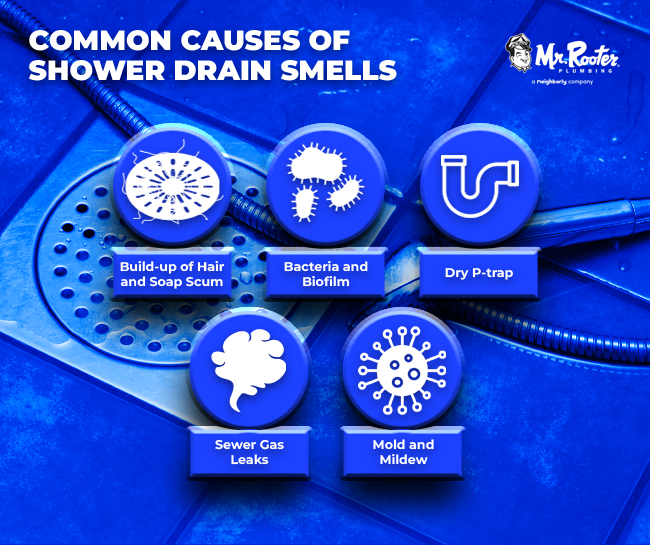
Understanding the common causes is the first step in learning how to fix a smelly shower drain. These issues often arise from everyday use and can be easily identified and addressed with the right knowledge.
- Build-up of Hair and Soap Scum: Over time, hair and soap scum can accumulate in your shower drain, creating a blockage that traps organic matter. This blockage becomes a breeding ground for bacteria, which can produce unpleasant smells. Regular cleaning and maintenance are crucial to prevent this build-up.
- Bacteria and Biofilm: Bacteria thrive in moist environments, and your shower drain is no exception. As bacteria grow, they form a slimy layer known as biofilm. This biofilm can emit foul odors, particularly when it builds up over time. Cleaning your drain regularly can help control bacterial growth and eliminate odors.
- Dry P-trap: The P-trap is a curved section of pipe beneath your shower drain designed to hold a small amount of water. This water acts as a barrier, preventing sewer gases from entering your home. If the P-trap dries out, it can allow these gases to escape, leading to a smelly shower drain. Ensuring the P-trap remains filled with water is essential for preventing sewer gas odors.
- Sewer Gas Leaks: Cracks or leaks in your plumbing system can allow sewer gases to escape into your bathroom. These gases can produce a strong, unpleasant smell. Identifying and sealing any leaks in your plumbing system is crucial for maintaining a fresh-smelling bathroom.
- Mold and Mildew: Mold and mildew thrive in damp environments and can grow inside your shower drain. These fungi can produce musty odors that permeate your bathroom. Regular cleaning and proper ventilation can help prevent mold and mildew growth.
💡Regular maintenance of your shower drain can keep your bathroom smelling fresh and prevent issues. Simple steps like removing hair, soap scum, and ensuring the P-trap has water can make a big difference in avoiding bad smells and plumbing problems.
How to Identify the Cause
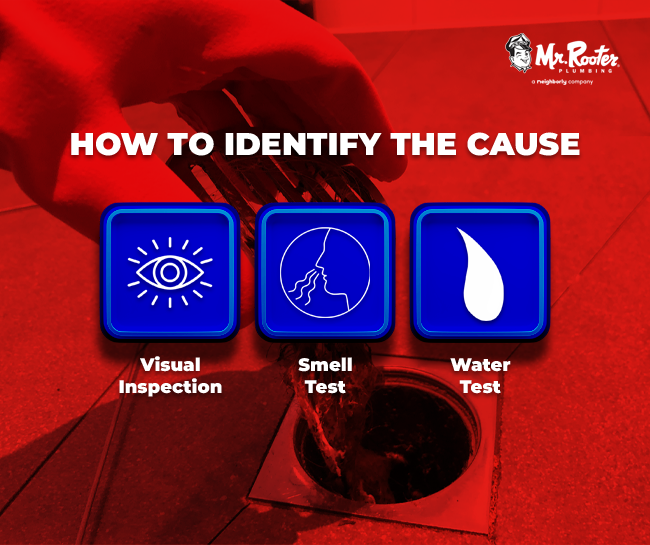
Identifying the exact cause of the odor is crucial before you can effectively fix a smelly shower drain. Simple inspections and tests can help you pinpoint the problem and determine the appropriate solution.
- Visual Inspection: Start by visually inspecting your shower drain. Look for any visible blockages, such as hair or soap scum. A flashlight can help you see deeper into the drain. If you notice any build-up, it’s likely the source of the odor.
- Smell Test: Take note of the type of smell coming from your drain. Different odors can indicate different issues. For example, a musty smell might suggest mold, while a rotten egg smell could indicate sewer gas. Identifying the type of odor can help you determine the cause.
- Water Test: Pour a small amount of water down the drain and observe what happens. If the water drains slowly or not at all, there may be a blockage. Additionally, if the smell intensifies when water is added, it could indicate a problem with the P-trap or biofilm build-up.
💡 By diagnosing the problem accurately, you can implement the correct fix, preventing further complications and maintaining a clean, pleasant home environment.
Solutions for a Smelly Shower Drain
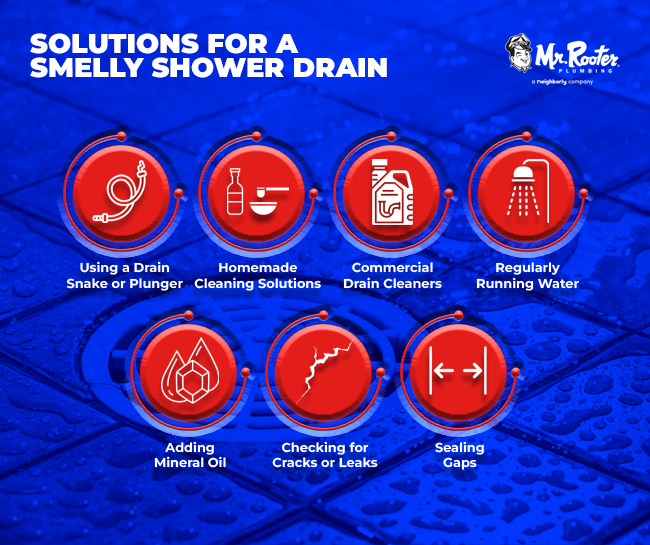
Once you’ve identified the cause, it’s time to learn how to fix a smelly shower drain. There are various methods to clean and maintain your shower drain, ensuring it remains odor-free and functional.
Using a Drain Snake or Plunger:
A drain snake or plunger can help remove blockages caused by hair and soap scum. Insert the drain snake into the drain and twist it to catch any debris. For a plunger, create a tight seal around the drain and plunge vigorously to dislodge the blockage.
Homemade Cleaning Solutions (Vinegar and Baking Soda):
Mixing vinegar and baking soda creates a powerful cleaning solution. Pour half a cup of baking soda down the drain, followed by a cup of vinegar. Allow the mixture to sit for 15-20 minutes before flushing with hot water. This combination helps break down organic matter and eliminate odors.
Commercial Drain Cleaners:
For more stubborn blockages, commercial drain cleaners can be effective. Follow the instructions on the product label, ensuring you use a cleaner suitable for your plumbing system. These cleaners contain chemicals that break down debris and eliminate odors.
Regularly Running Water:
To keep the P-trap filled with water, run the water in your shower for a few minutes every week. This simple step ensures the water barrier remains intact, preventing sewer gases from escaping.
Adding Mineral Oil:
Adding a small amount of mineral oil to the P-trap can help maintain the water barrier. The oil forms a seal on top of the water, reducing evaporation and keeping the P-trap effective.
Checking for Cracks or Leaks:
Inspect your plumbing system for any cracks or leaks that could be allowing sewer gases to escape. Pay close attention to the joints and connections in your pipes. If you find any issues, sealing them with plumber’s tape or contacting a professional for repairs is essential.
Sealing Gaps:
Use plumber’s putty or caulk to seal any gaps around the drain or in the surrounding area. This helps prevent sewer gases from entering your bathroom and eliminates the source of the odor.
Preventive Measures
Prevention is key to avoiding future problems. By following these preventive measures, you can ensure your shower drain stays fresh and clean, minimizing the chances of recurring odors.
- Perform regular maintenance on your shower drain to prevent odors from returning. This includes periodic cleaning, using drain covers to catch hair and debris, and monitoring the condition of your plumbing system.
- Drain covers can help prevent hair and other debris from entering your shower drain. Regularly clean the drain cover to ensure it remains effective in catching debris.
- Avoid using harsh chemicals that can damage your plumbing system. Opt for gentle, homemade cleaning solutions or eco-friendly commercial products to maintain a fresh-smelling bathroom without causing harm to your pipes.
- Run hot water down the drain weekly to help dissolve soap scum and prevent build-up.
- Use a drain cleaner once a month to keep the pipes clear and free of debris.
- Ensure your bathroom is well-ventilated to reduce moisture levels. Use an exhaust fan or open a window during and after showers to allow moisture to escape.
- Regularly inspect your plumbing system for any signs of leaks or cracks and address them promptly.
- Pour a cup of baking soda followed by a cup of vinegar down the drain every few months to help keep it clean and odor-free.
Dealing with a smelly shower drain can be a nuisance, but with the right approach, you can easily identify the cause and implement effective solutions. Regular maintenance and proper cleaning can keep your shower drain free of odors, ensuring your bathroom remains a pleasant and hygienic space. Take action today to eliminate those unpleasant smells and enjoy a fresh-smelling bathroom once again.
By following these steps, you’ll be well-equipped to handle any issues that arise with your shower drain, keeping your home comfortable and odor-free.
Is your water heater leaking? Wondering if you can still take a shower? Find out here: Can I Take a Shower If My Water Heater Is Leaking?