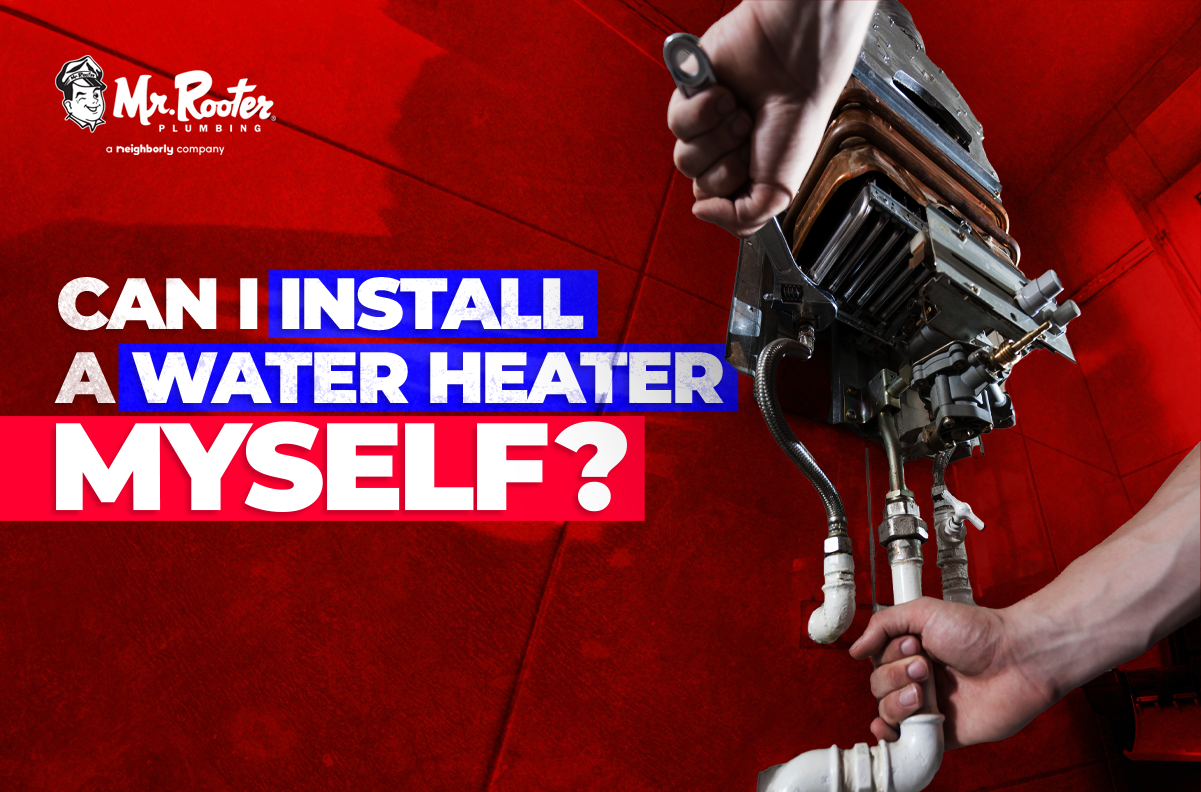
When it comes to home maintenance, some tasks are straightforward enough for a DIY approach, but others require a more careful consideration of skills and safety. Installing a water heater falls into the latter category. While the idea of replacing or installing a water heater yourself can be tempting due to potential cost savings, it’s crucial to understand the process and associated risks thoroughly. This comprehensive guide aims to provide homeowners with the essential information needed to decide whether to tackle this project themselves or call a professional.
Is it Easy to Install Your Own Hot Water Heater?
Installing a water heater is not a simple task. It involves plumbing, electrical work, and sometimes even gas line connections. The difficulty level depends on your current setup and the type of water heater you’re installing.
Is it Safe to Install a Water Heater Yourself?
Safety is the primary concern when installing a water heater. Improper installation can lead to serious issues, including water damage, electrical hazards, and even gas leaks. Here are some common risks and dangers:
Common Risks and Dangers:
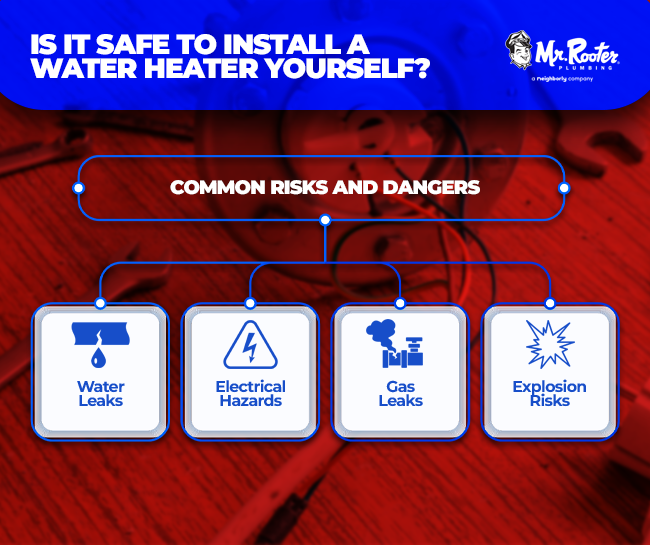
- Water Leaks: Improper connections can lead to water leaks, causing damage to your home.
- Electrical Hazards: Incorrect wiring can result in electrical shocks or fire hazards.
- Gas Leaks: For gas water heaters, incorrect installation can lead to dangerous gas leaks.
- Explosion Risks: Incorrectly installed pressure relief valves can lead to explosions.
💡 Being aware of potential home hazards helps you prevent costly repairs and ensures your family’s safety.
Step-by-Step Guide to Installing a Water Heater
Installing a water heater involves several detailed steps that require careful planning and execution. This guide will help you navigate through the process, ensuring a successful and safe installation.
Preparing for Installation:
- Turn Off the Utilities: Turn off the main water supply, and if you’re replacing a gas heater, turn off the gas supply.
- Drain the Old Water Heater: Attach a garden hose to the drain valve and drain the tank.
Disconnecting and Removing the Old Water Heater:
- Disconnect the Water Supply Lines: Use a pipe wrench to disconnect the hot and cold water lines.
- Disconnect the Power Source: For electric heaters, disconnect the wiring. For gas heaters, disconnect the gas line.
- Remove the Old Unit: Carefully remove the old water heater from its location.
Installing the New Water Heater:
Position the New Unit: Place the new water heater in the desired location, ensuring it’s level.
Connect the Water Supply Lines: Use pipe tape and connect the cold and hot water lines to the new heater.
Install a New Pressure Relief Valve: Attach a pressure relief valve to prevent excessive pressure buildup.
Connecting Water and Power Supplies:
- Connect the Electrical Supply: For electric heaters, connect the wiring according to the manufacturer’s instructions.
- Connect the Gas Supply: For gas heaters, reconnect the gas line and check for leaks.
Testing the Installation:
- Fill the Tank: Turn on the main water supply and fill the tank.
- Check for Leaks: Inspect all connections for leaks.
- Power On: Turn on the electricity or gas supply and ignite the pilot light for gas heaters.
- Test the Water Temperature: Ensure the water heats up correctly and adjust the thermostat if necessary.
💡Learning to install a water heater yourself can save you money and give you the confidence to handle household repairs. Follow this straightforward guide for a smooth transition to a new, efficient unit.
Why is Installing a Water Heater So Expensive?
The cost of installing a water heater can be high due to several factors, including the price of the unit, labor costs, and additional materials. Professional installation ensures safety and compliance with local codes, but it can be expensive.
Potential Cost Savings of DIY Installation:
- Labor Savings: The primary saving comes from not having to pay for professional labor.
- Flexibility: You can shop for the best deals on water heaters and materials.
When to Call a Professional
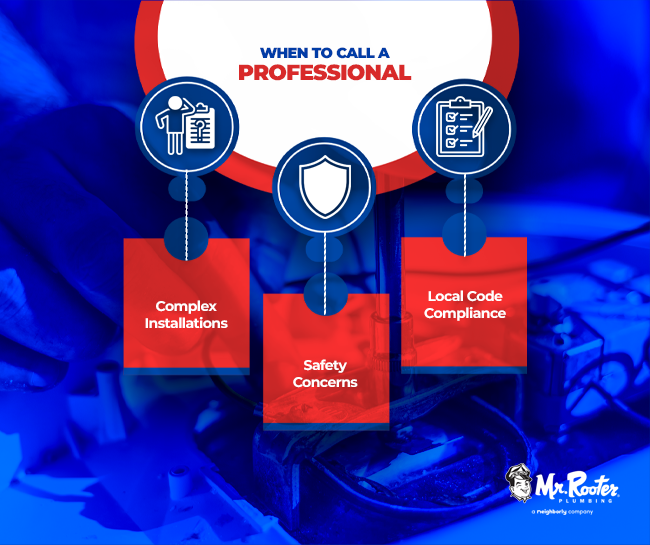
While DIY water heater installation can be rewarding, certain situations definitely warrant the expertise of a professional. Recognizing when to seek help can save you from potential hazards and costly mistakes.
- Complex Installations: If your installation requires extensive plumbing or electrical work.
- Safety Concerns: If you’re unsure about the safety aspects of the installation.
- Local Code Compliance: Ensuring the installation meets local building codes and regulations.
Installing a water heater yourself can be a challenging yet rewarding project. It’s essential to weigh the potential cost savings against the risks and difficulties involved. By understanding the basics, assessing the difficulty, and following safety guidelines, homeowners can make an informed decision on whether to proceed with a DIY installation or hire a professional. Ultimately, the goal is to ensure a safe, efficient, and long-lasting hot water system for your home.