A leaking water line can cause significant damage to your home and lead to expensive repairs if not addressed promptly. Whether it’s a minor drip or a major leak, understanding how to fix a leaking water line can save you time, money, and stress. This guide will provide you with the knowledge and confidence to tackle minor repairs on your own and recognize when it’s time to call a professional plumber.
- Identifying the Leak
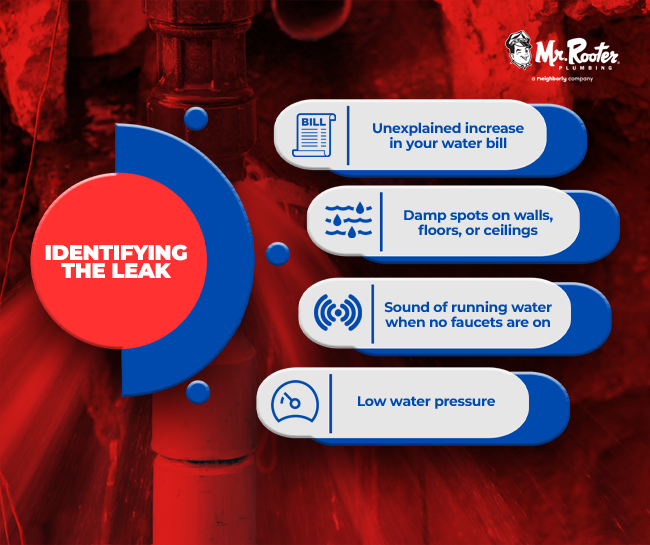
Identifying a leaking water line early can prevent extensive water damage. Common signs of a leak include:
- Unexplained increase in your water bill
- Damp spots on walls, floors, or ceilings
- Sound of running water when no faucets are on
- Low water pressure
💡 If you notice any of these signs, it’s essential to locate the source of the leak and take immediate action.
- Preparing for the Repair
Before starting any repairs, ensure you have the necessary tools and materials. The first and most crucial step is to turn off the water supply to prevent further leakage.
Turning Off the Water Supply
- Locate the main water shut-off valve, typically found in the basement, crawl space, or outside near the water meter.
- Turn the valve clockwise until it stops to shut off the water supply.
- Open all faucets to drain the remaining water from the pipes.
- Fixing Different Types of Leaks
Depending on the type of leak, different repair methods may be required. Below are step-by-step instructions for fixing common types of water line leaks.
Fixing a Minor Pipe Leak
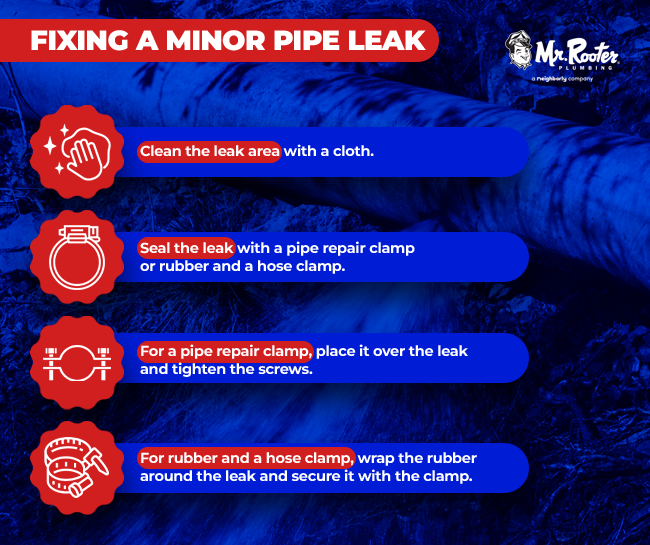
Minor pipe leaks are often caused by small cracks or holes in the pipe. To fix a minor leak:
- Clean the area around the leak with a cloth to remove any dirt or debris.
- Use a pipe repair clamp or a piece of rubber and a hose clamp to seal the leak.
- If using a pipe repair clamp, place it over the leak and tighten the screws to secure it in place.
- If using rubber and a hose clamp, wrap the rubber around the leak and secure it with the hose clamp.
Repairing a Leaking Joint
Leaking joints are common in older plumbing systems where connections may become loose or corroded. To repair a leaking joint:
- Turn off the water supply and drain the pipes as described above.
- Use a pipe wrench to tighten the joint. If it’s a threaded joint, apply pipe thread sealant tape (Teflon tape) to the threads before reassembling.
- If the leak persists, replace the joint or fitting with a new one.
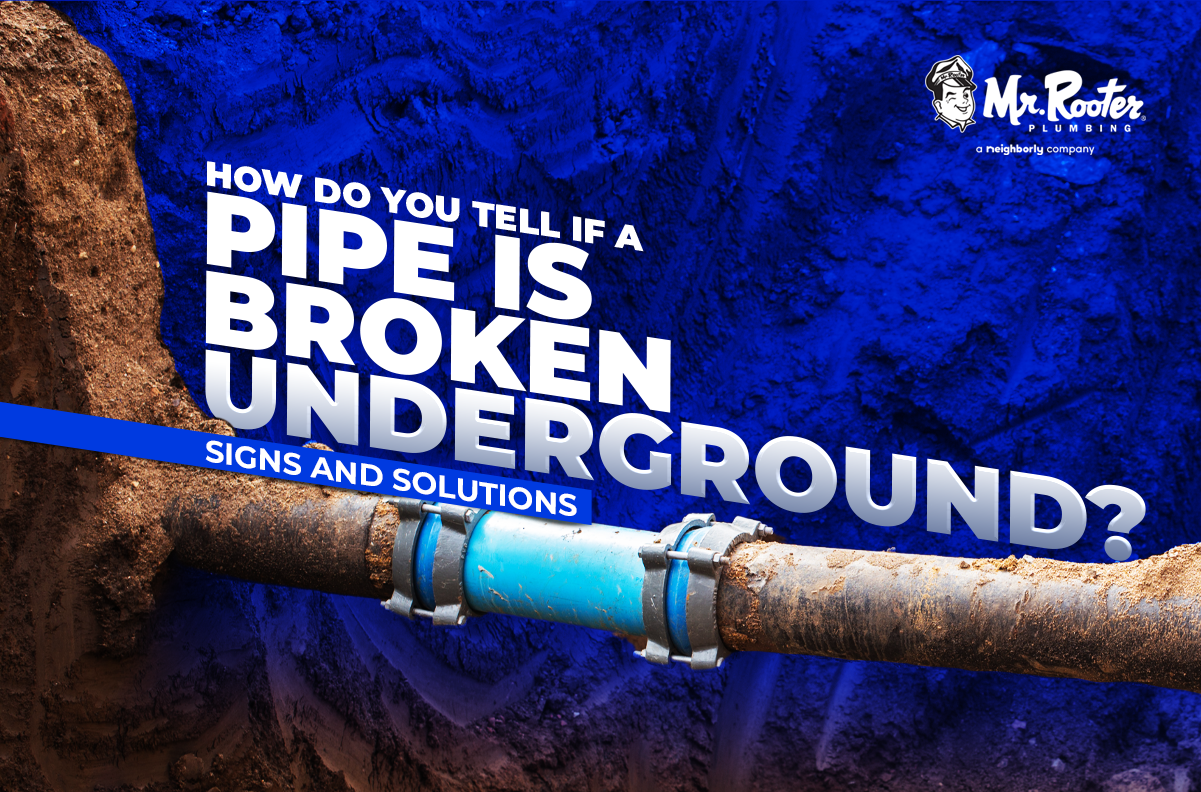
Addressing an Underground Water Line Leak
Underground leaks are more challenging to repair and often require professional assistance. However, for minor leaks, you can attempt the following:
- Dig carefully around the suspected leak area to expose the pipe.
- Clean the pipe thoroughly.
- Apply an epoxy putty or pipe repair tape to seal the leak. Follow the product instructions carefully.
- Allow the repair to cure before turning the water back on.
- Preventative Measures
Preventing future leaks can save you from costly repairs and water damage. Here are some tips to help maintain your plumbing system:
- Regularly inspect exposed pipes for signs of wear or corrosion.
- Insulate pipes to prevent freezing in cold weather.
- Avoid using chemical drain cleaners, which can damage pipes over time.
- Schedule annual plumbing inspections with a professional.
- When to Call a Professional
While minor leaks can often be fixed with DIY methods, certain situations require professional expertise. Call a plumber if:
- The leak is severe or flooding your home.
- You cannot locate the source of the leak.
- The leak is in an underground or hard-to-reach location.
- You’ve attempted a repair, and the leak persists.
Addressing a leaking water line promptly can prevent extensive water damage and costly repairs. By following the steps outlined in this guide, you can handle minor repairs with confidence and know when to seek professional help. Remember to take preventative measures to maintain your plumbing system and keep it in good working order.