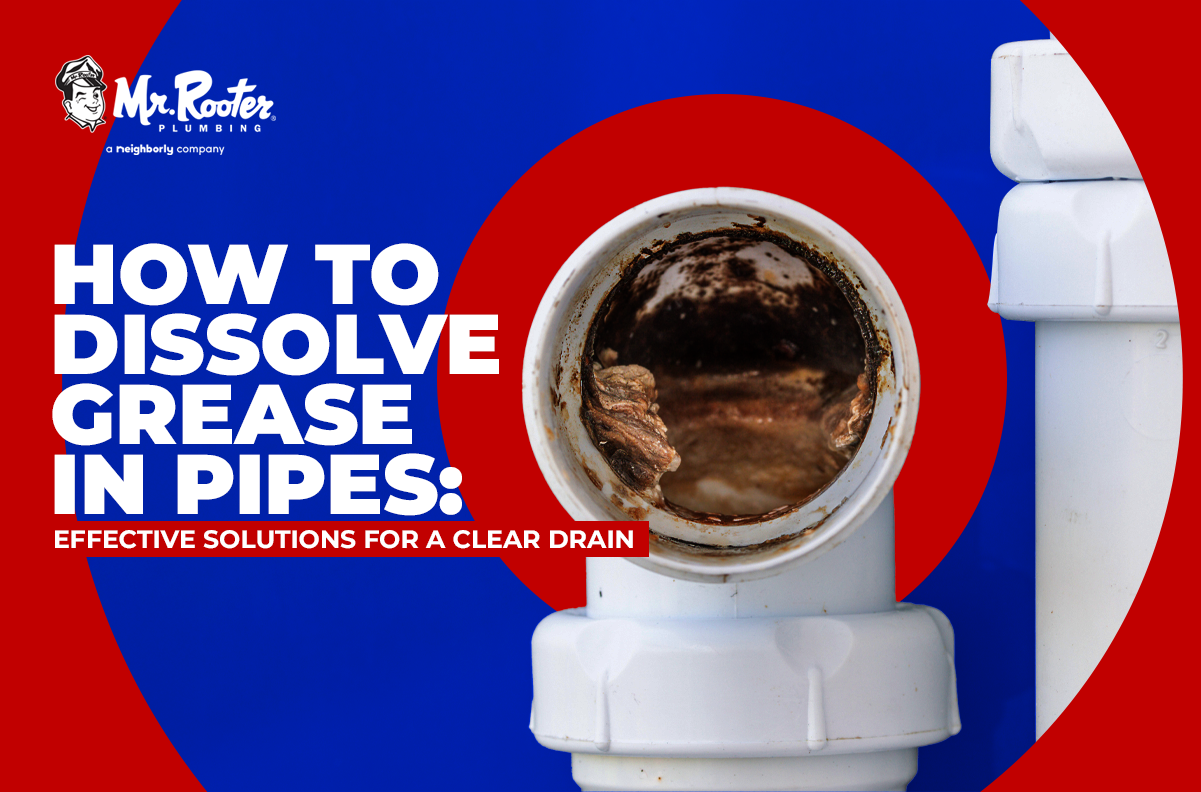
Clogged cast iron pipes in concrete are a common yet frustrating issue for many homeowners and commercial space owners. These clogs can cause slow drainage, unpleasant odors, and even severe water damage if not addressed promptly. Whether you’re a DIY enthusiast or a property manager, knowing how to effectively clear these clogs can save you time, money, and hassle. This guide will provide you with comprehensive, step-by-step instructions to tackle this problem head-on and keep your plumbing in top shape.
Understanding Cast Iron Pipes
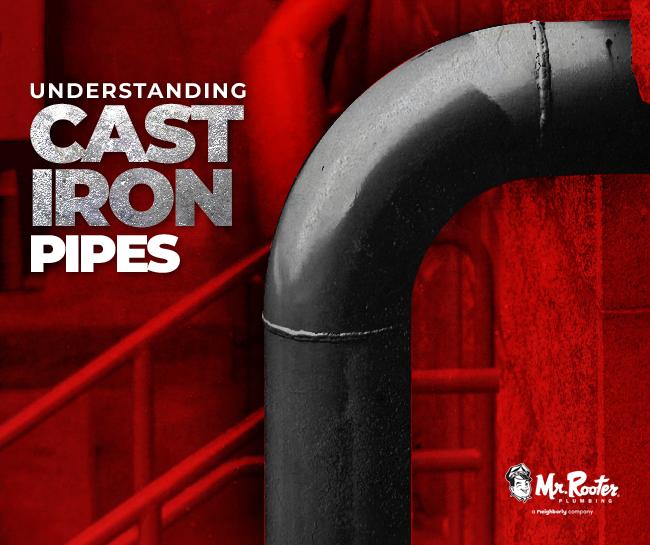
Cast iron pipes have been used in plumbing systems for centuries due to their durability and longevity. Typically found in older homes and commercial buildings, these pipes are known for their strength and resistance to external damage. However, they are not immune to clogs. Common reasons for clogs in cast iron pipes include the accumulation of rust, debris, grease, and even tree roots infiltrating the pipe through small cracks.
Understanding the nature of cast iron pipes and the common causes of clogs is crucial in determining the best approach to clear them. Unlike modern PVC or copper pipes, cast iron requires specific methods and tools for effective cleaning and maintenance.
Signs of a Clogged Cast Iron Pipe
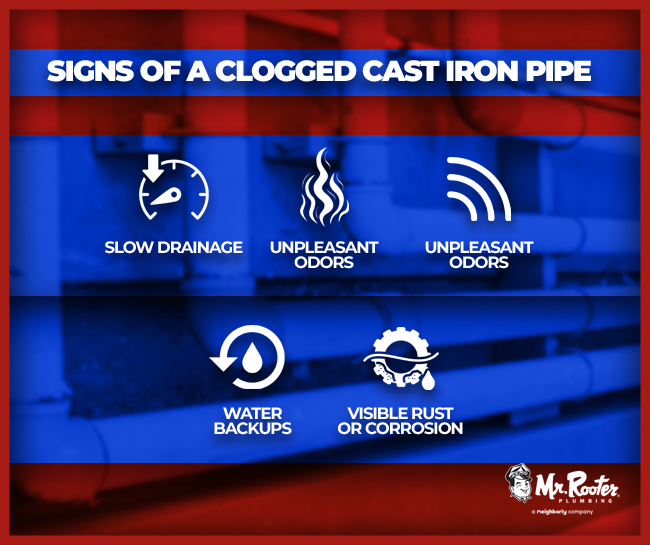
Detecting a clogged cast iron pipe early can prevent extensive damage and costly repairs. Here are some common signs to look out for:
- Slow Drainage: Water takes longer to drain from sinks, tubs, or showers.
- Unpleasant Odors: Foul smells emanating from drains indicate trapped debris and stagnation.
- Gurgling Sounds: Noises from pipes when using water fixtures suggest air trapped in the pipes due to blockages.
- Water Backups: Water backing up from drains, particularly in lower levels of the building, signifies a severe clog.
- Visible Rust or Corrosion: Inspect exposed sections of your cast iron pipes for signs of rust or corrosion, which can contribute to clogs.
💡 Early detection allows for prompt action, reducing the risk of severe plumbing issues.
Step-by-Step Guide to Clear a Clogged Cast Iron Pipe
Step 1: Assess the Situation and Locate the Clog
Before you start, it’s essential to identify the location and severity of the clog. Begin by running water through various fixtures and noting where the backup occurs. If multiple fixtures are affected, the clog is likely in a main drain line. For a precise diagnosis, consider using a plumbing camera to inspect the interior of the pipes.
Step 2: Choose the Right Method
There are several methods to clear a clogged cast iron pipe, each suited to different types of blockages:
- Snaking (Drain Auger): Effective for minor clogs caused by hair, grease, or small debris.
- Hydro Jetting: Uses high-pressure water to clear stubborn clogs and clean the pipe walls.
- Chemical Cleaners: Suitable for dissolving grease and organic materials, but use with caution to avoid pipe damage.
Step 3: Detailed Instructions for Each Method
Snaking
- Insert the snake into the affected drain or access point.
- Turn the handle clockwise to push the snake through the pipe.
- Once resistance is felt, rotate and push the snake to break up the clog.
- Retract the snake, cleaning it as you go to remove debris.
Hydro Jetting
- Rent or hire a professional with hydro jetting equipment.
- Insert the nozzle into the pipe access point.
- Gradually increase the water pressure to clear the clog.
- Move the nozzle back and forth to ensure thorough cleaning.
Chemical Cleaners
- Select a cleaner compatible with cast iron pipes.
- Pour the recommended amount into the affected drain.
- Allow it to sit for the specified time to dissolve the clog.
- Flush with hot water to clear any remaining debris.
Step 4: Tips for Preventing Future Clogs
- Regular Maintenance: Schedule routine inspections and cleaning to prevent buildup.
- Proper Disposal: Avoid pouring grease, oil, or non-degradable items down the drain.
- Install Strainers: Use drain strainers to catch hair and debris before they enter the pipes.
- Root Control: Regularly check for tree roots near your plumbing system and take preventive measures if necessary.
When to Call a Professional
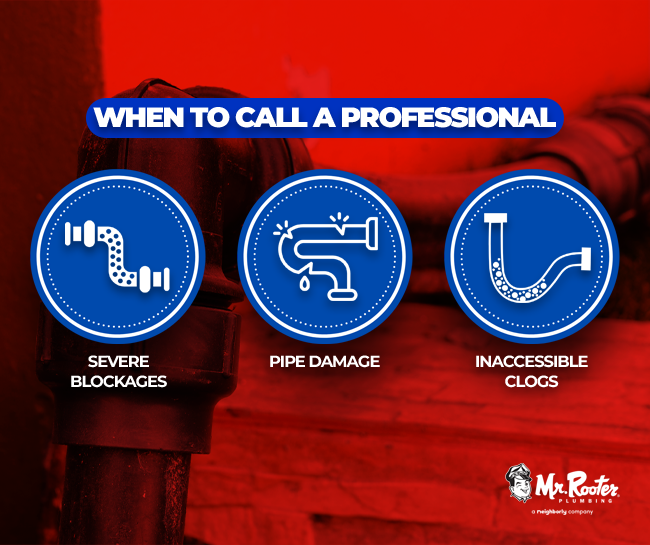
While DIY methods can be effective, some situations require professional intervention:
- Severe Blockages: If the clog is persistent or multiple methods fail, it’s time to call a plumber.
- Pipe Damage: Visible signs of corrosion or leaks indicate the need for professional repair or replacement.
- Inaccessible Clogs: If the clog is located deep within the plumbing system, specialized equipment may be necessary.
💡 When choosing a plumber, look for certified professionals with experience in dealing with cast iron pipes and a good reputation in your area.
Clearing a clogged cast iron pipe under concrete can be challenging, but with the right knowledge and tools, it’s manageable. Addressing clogs promptly can prevent more severe plumbing issues and maintain the integrity of your plumbing system. Remember to perform regular maintenance and be mindful of what goes down your drains to minimize the risk of future clogs. If you encounter persistent problems, don’t hesitate to seek professional help to ensure your pipes remain in optimal condition.