Setting the right temperature on your water heater is not just about comfort but also about safety and efficiency. Many homeowners face issues such as lukewarm water or excessive heating costs without realizing that these can often be resolved through simple adjustments to their water heater. This guide aims to help you understand how to properly increase the temperature of your water heater, ensuring you get the most out of your system while maintaining safety.
Safety Precautions Before You Start
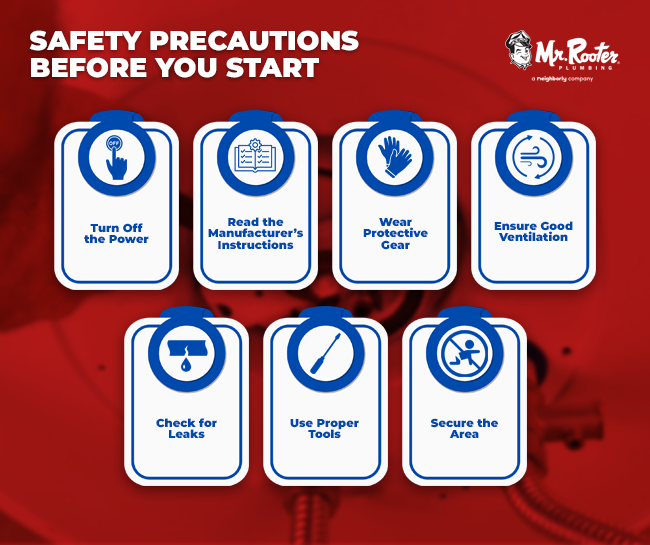
Before diving into adjusting your water heater’s temperature, it’s imperative to prioritize safety to prevent any injuries or damage to your system. Here’s a detailed list of precautions to ensure a secure maintenance process:
- Turn Off the Power: For electric water heaters, switch off the circuit breaker. For gas models, turn off the gas supply.
- Read the Manufacturer’s Instructions: Always consult the water heater’s manual for specific safety guidelines related to your model.
- Wear Protective Gear: Use gloves and safety glasses to protect against accidental scalds and debris.
- Ensure Good Ventilation: If you’re working with a gas water heater, make sure the area is well-ventilated to avoid gas build-up.
- Check for Leaks: Before beginning, inspect the area around your water heater for any signs of water or gas leaks.
- Use Proper Tools: Have all necessary tools on hand, such as screwdrivers and flashlights, to avoid any mid-process interruptions.
- Secure the Area: Keep children and pets away from the area to ensure both their safety and the ease of your task.
Guide to Increasing Water Heater Temperature
Identifying Your Water Heater Type
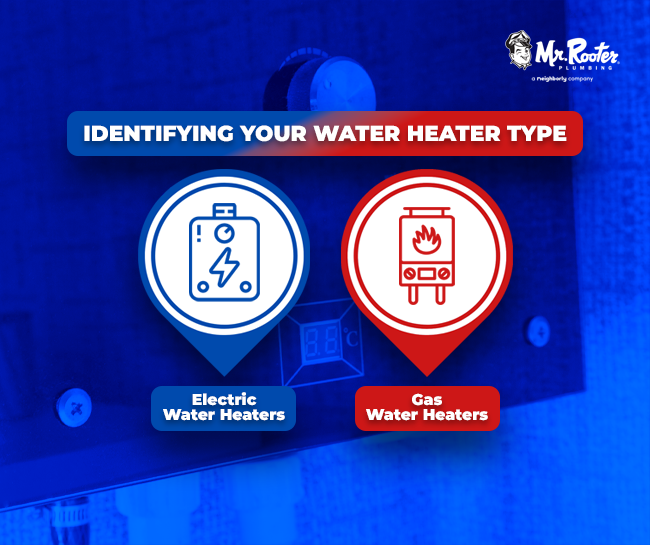
Electric Water Heaters:
These are typically equipped with one or two thermostats depending on their size. The thermostat is usually behind a panel on the side of the tank.
Gas Water Heaters:
These have a dial on the front of the tank, often part of the gas valve. It is usually labeled with temperature settings.
💡Choosing between gas and electric water heaters depends on your needs. Gas models are efficient and cost-effective, while electric ones are cheaper upfront and greener. Pick what’s best for your home and budget.
Steps to Adjust the Thermostat
For Electric Water Heaters:
- Turn off the electricity at the circuit breaker.
- Remove the panel on the side of the water heater.
- Adjust the thermostat dial to the desired temperature. Use a small screwdriver if the dial is not easily adjustable by hand.
- Replace the panel and turn the electricity back on.
For Gas Water Heaters:
- Turn the dial on the front to adjust the temperature to your desired setting.
- If your model has a pilot light, ensure it is lit after adjustment.
💡 Including diagrams for these steps can help visualize the process, ensuring you perform each action safely and correctly.
Troubleshooting Common Issues
Symptoms of a Bad Thermostat:
- Water temperature is too hot regardless of how low you set the thermostat.
- Water remains cold even if the thermostat is set high.
If Temperature Doesn’t Increase:
- Check if the thermostat is defective and needs replacement.
- Inspect for electrical issues in electric heaters or gas supply problems in gas heaters.
When to Reset the Water Heater:
Resetting can help if the heater’s breaker has tripped or if it isn’t functioning after adjustment. Typically, a reset button is located near the thermostat.
When to Call a Professional
While many adjustments are simple, certain situations should be handled by professionals. If you notice leaking around the heater, continuous fluctuations in temperature, or if the water heater makes unusual noises, it’s time to call a certified technician. Choosing a reputable service provider ensures your heater is handled safely and efficiently.
Regularly monitoring and adjusting your water heater settings can significantly enhance your system’s efficiency and longevity. Remember, while DIY maintenance can be straightforward, never hesitate to contact professionals when in doubt. Keep your system running optimally by staying proactive about maintenance and safety.