Ductile iron is a robust material commonly used in plumbing systems across residential and commercial properties due to its superior strength and resilience. This type of iron withstands high pressure and wear, making it ideal for everything from household water pipes to industrial sewer systems. Despite its toughness, ductile iron is prone to rust and corrosion when not properly cared for, especially in moist environments. This guide is designed to equip you with essential knowledge and practical strategies to prevent rust, helping to preserve the integrity and extend the lifespan of your ductile iron installations.
What is Ductile Iron?
Ductile iron, also referred to as nodular cast iron, contains graphite in the form of spherical nodules, which enhance its flexibility and impact resistance compared to traditional cast iron. This composition allows it to withstand significant stress without succumbing to wear.
Common Causes of Rust and Corrosion
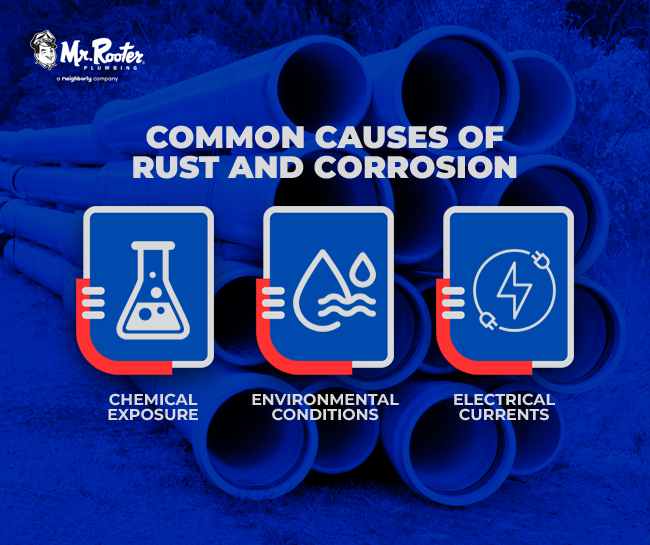
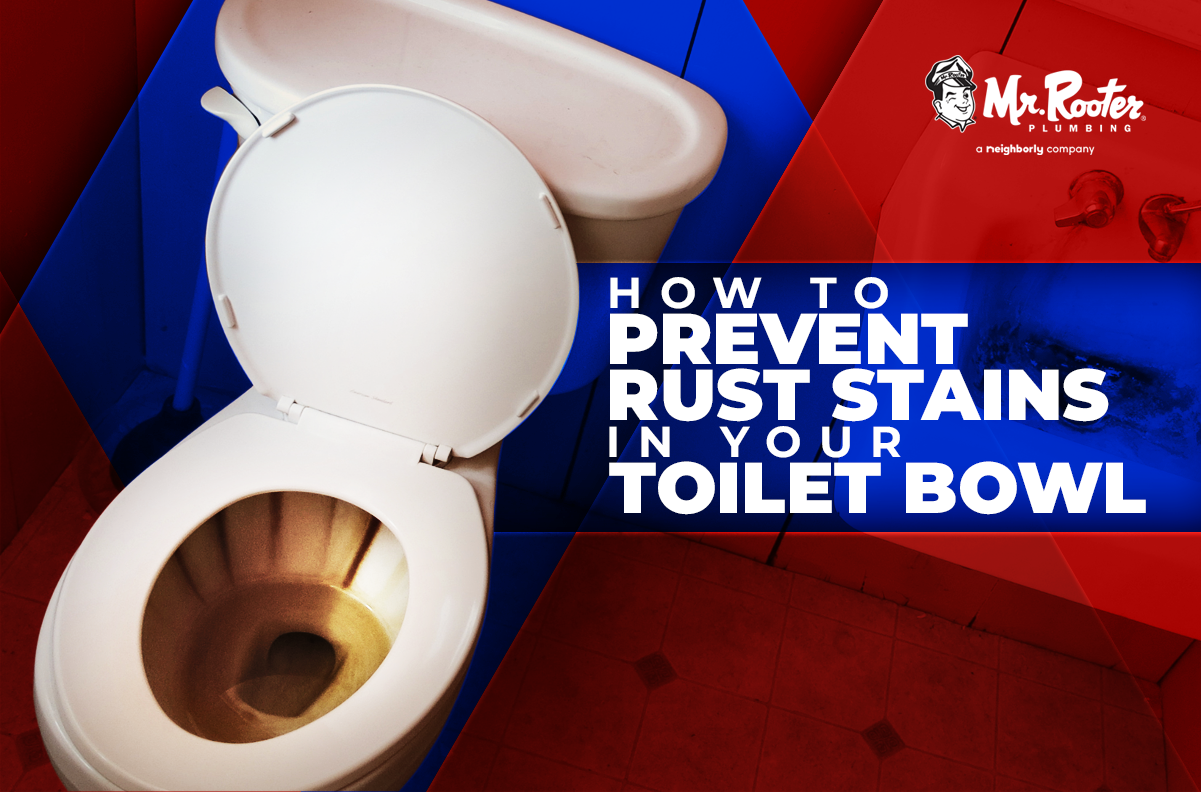
Ductile iron rusts due to the oxidation of its iron components, particularly when exposed to moisture and oxygen over time. Additional factors that accelerate this process include:
- Chemical exposure: Acids, salts, and harsh chemicals commonly found in industrial environments can lead to faster corrosion.
- Environmental conditions: High humidity, saltwater exposure, and soil with high acidity can enhance rust formation.
- Electrical currents: Stray electrical currents from underground cables or nearby metallic structures can induce electrochemical reactions that corrode iron.
💡 Understanding these triggers helps prevent and address rust issues, safeguarding property integrity and value.
Prevention Methods for Homeowners
Regularly inspect your ductile iron pipes for any signs of rust or corrosion, such as discoloration, pitting, or scaling. Early detection is key to preventing extensive damage.
DIY Rust Prevention Techniques
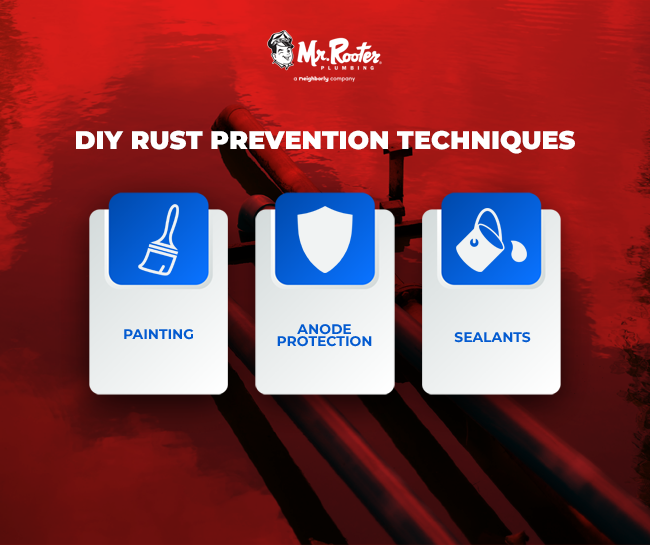
- Painting: Apply a layer of rust-inhibiting paint to exposed pipes. Ensure the surface is clean and dry before application.
- Anode protection: Use sacrificial anodes made of zinc or magnesium. These anodes corrode in place of the iron, offering a layer of protection.
- Sealants: Applying a waterproof sealant can also prevent moisture from reaching the iron surface.
When to Call a Professional
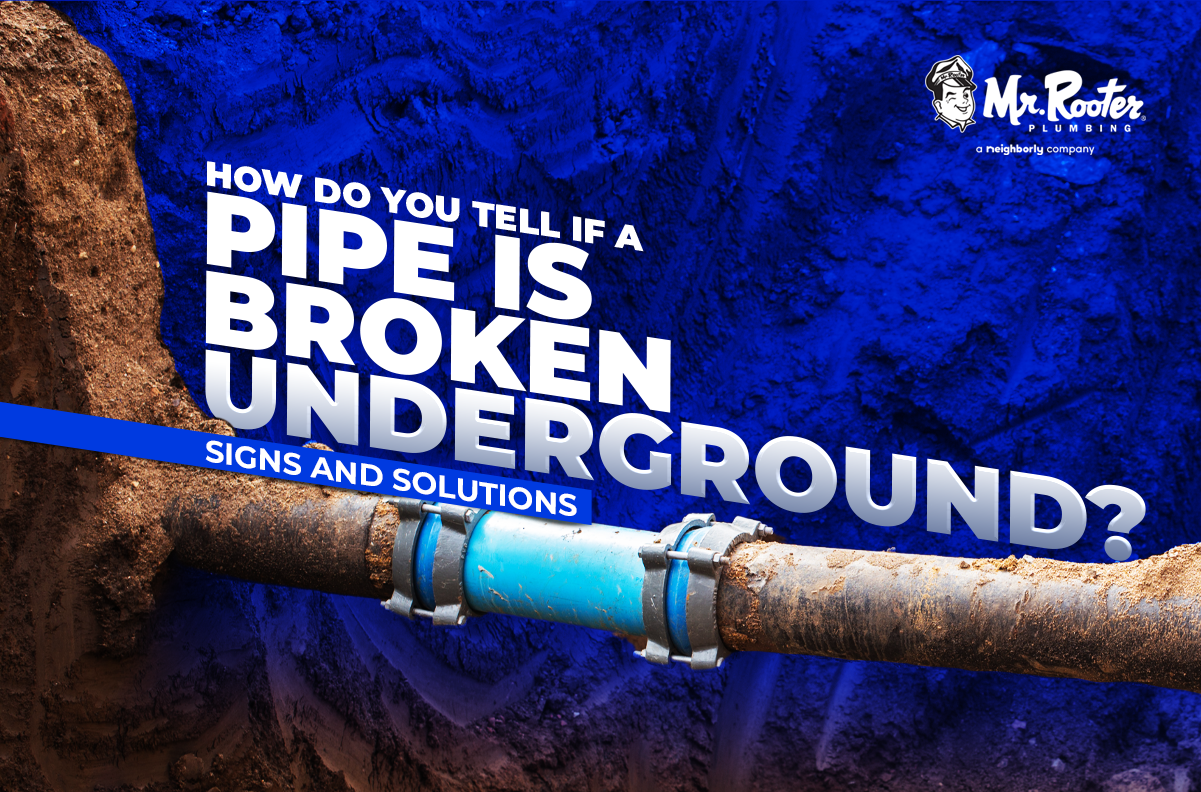
If you notice significant rusting or damage during your inspections, it’s prudent to contact a plumbing professional. They can provide more advanced solutions such as pipe relining or replacement.
Advanced Prevention Techniques for Commercial Buildings
Commercial applications often benefit from more robust solutions, such as epoxy coatings or polyethylene encasements. These not only protect against rust but also against mechanical and chemical damages.
Installation Tips to Prevent Future Rust
- Proper installation: Ensure that ductile iron pipes are correctly installed with no undue stress points, which can lead to cracks and expose the metal to rust-inducing elements.
- Cathodic protection: This method uses electrical currents to counteract the electrochemical reactions that lead to rust.
Scheduled Maintenance Plans
Implementing a regular maintenance schedule with a plumbing professional helps ensure any potential issues are addressed promptly, thereby extending the life of your piping system.
Maintaining ductile iron pipes free from rust is crucial for ensuring their longevity and functionality. By understanding the causes of corrosion, applying basic preventative measures, and seeking professional advice when necessary, both homeowners and commercial building managers can significantly extend the life of their ductile iron installations. Implement these practices to protect your investment and maintain the integrity of your plumbing systems.