Cast iron pipes have long been a backbone in the plumbing industry, serving homes and commercial spaces with reliability and durability. Understanding the significance of these materials is crucial for anyone looking to maintain or upgrade their plumbing systems. This guide delves into the world of cast iron plumbing, offering a comprehensive look at its uses, advantages, and essential considerations for property owners.
What Are Cast Iron Pipes?
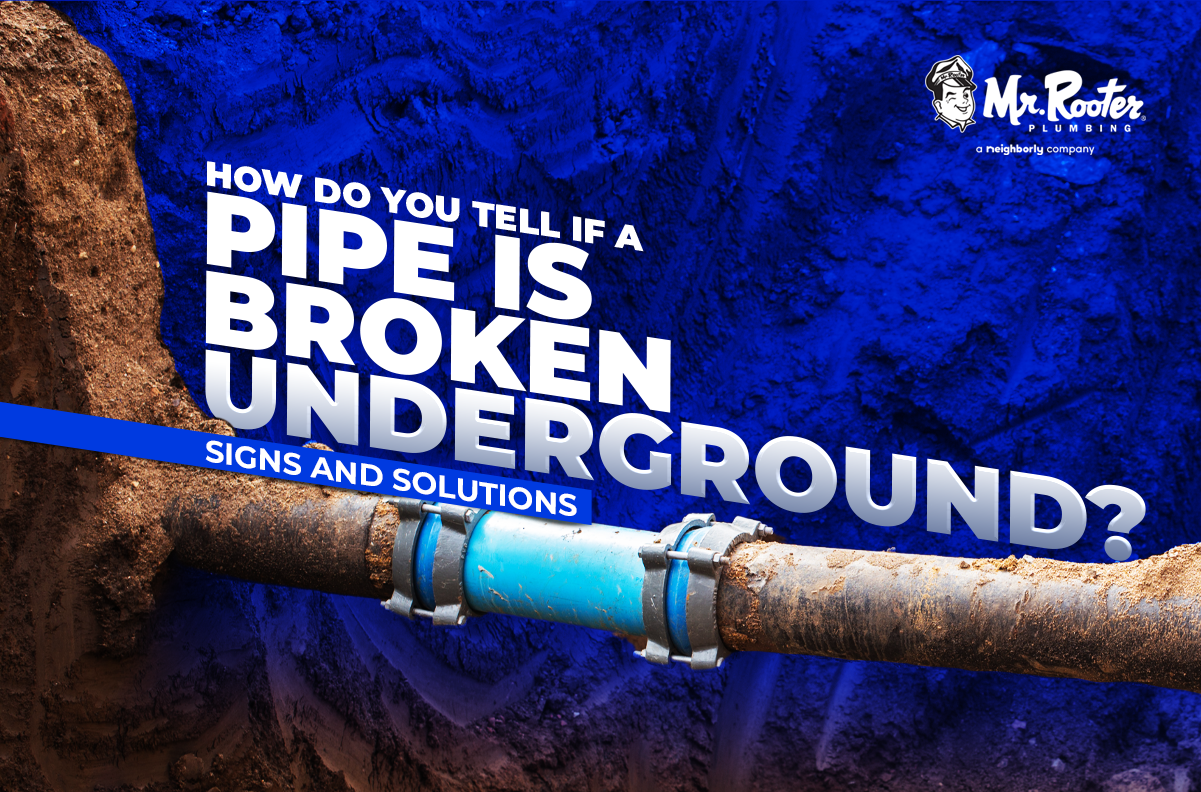
Cast iron pipes, made from iron and carbon alloys, are renowned for their strength and durability. With a history dating back centuries, these pipes have evolved but remain a preferred choice for many plumbing applications. Today, they are used extensively for their superior qualities, including resistance to corrosion and the ability to withstand high pressures.
Uses of Cast Iron Pipes

- Sewage and Drainage: Ideal for underground installations, resisting soil pressure and environmental conditions.
- Water Distribution: Utilized in main water lines for their capacity to withstand high pressures.
- Building Infrastructure: Supports structural and wastewater management needs.
Advantages of Cast Iron Pipes
The longevity of cast iron pipes often exceeds a century, offering an excellent return on investment. Their mass helps dampen the sound of flowing water, making them ideal for multi-story buildings where noise reduction is desired. Additionally, cast iron is non-combustible, providing an extra layer of fire resistance in buildings.
Common Concerns and Considerations
While cast iron pipes offer numerous benefits, there are considerations to keep in mind:
- Corrosion: Over time, pipes may corrode, impacting functionality and water quality.
- Weight: Their substantial weight requires careful handling and installation.
- Maintenance: Regular inspections and potential lining are necessary to extend lifespan.
💡 Cast iron pipes are highly durable but have lower heat conductivity. They’re ideal for high-temperature environments but may take longer to heat up initially.
Pros and Cons of Cast Iron Pipes
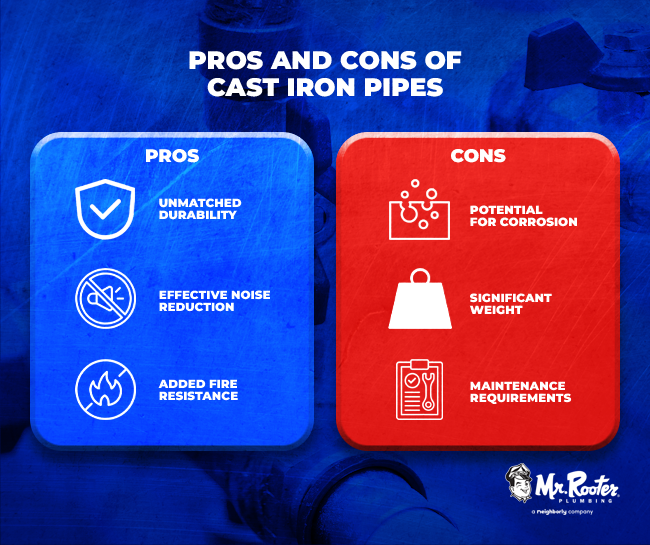
Advantages:
- Unmatched durability.
- Effective noise reduction.
- Added fire resistance.
Disadvantages:
- Potential for corrosion.
- Significant weight.
- Maintenance requirements.
Cast iron pipes offer a blend of traditional durability and modern plumbing efficiency. While they present some challenges, their advantages in certain applications cannot be overlooked. For those considering plumbing projects or maintenance, consulting with a professional to assess the specific needs of your property is a wise next step.