Water heaters are essential appliances in our homes, providing us with hot water for bathing, cooking, and cleaning. However, it’s not uncommon for them to make noises that can be concerning to homeowners. Understanding why your water heater is humming can help you address the issue promptly and ensure its continued efficient operation.
Understanding Water Heater Noises
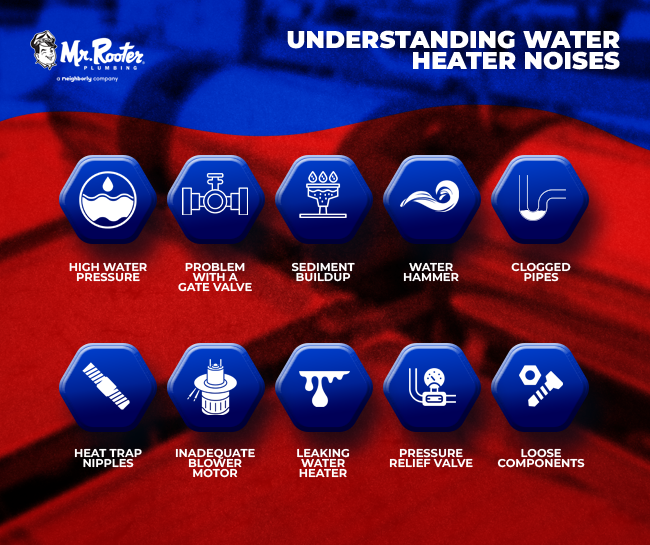
Water heaters can produce various sounds, ranging from popping and banging to hissing and, yes, humming. These noises can stem from different sources within the heater, including the heating element, sediment buildup, or faulty components. Identifying the type of noise and its source is crucial in determining the appropriate course of action.
- High Water Pressure:
Excessive water pressure can put strain on the plumbing system, including the water heater, leading to vibrations and humming noises. High water pressure can cause pipes to vibrate against the walls or other components, resulting in audible sounds.
- Problem with a Gate Valve:
A malfunctioning gate valve can disrupt the flow of water through the water heater, causing turbulence and vibrations that manifest as humming noises. Issues such as corrosion, debris buildup, or a faulty seal can contribute to the problem.
- Sediment Buildup:
As mentioned earlier, sediment accumulation at the bottom of the water heater tank is a common cause of humming noises. The presence of sediment creates an uneven surface for the heating element, leading to vibrations and humming when the water heater is in operation.
- Water Hammer:
Water hammer occurs when the flow of water is suddenly disrupted, causing a shockwave that reverberates through the plumbing system. This phenomenon can occur when a valve is closed abruptly, such as when a faucet or appliance is turned off, resulting in a humming or banging noise from the water heater.
- Clogged Pipes:
Blocked or partially obstructed pipes can impede the flow of water, leading to increased pressure and turbulence within the plumbing system. This can result in vibrations and humming noises emanating from the water heater as water attempts to navigate through the clogged pipes.
- Heat Trap Nipples:
Heat trap nipples are designed to prevent heat loss in water heaters by directing the flow of hot water efficiently. However, if these components become damaged or misaligned, they can create turbulent flow patterns and vibrations, resulting in humming noises.
- Inadequate Blower Motor:
In gas-powered water heaters, the blower motor plays a crucial role in ensuring proper combustion and ventilation. If the blower motor is malfunctioning or operating at suboptimal levels, it can lead to irregular airflow and vibrations within the water heater, causing humming noises.
- Leaking Water Heater:
A leaking water heater can be a sign of various underlying issues, such as corroded components, loose fittings, or a damaged tank. The presence of water escaping from the unit can create turbulent flow patterns and vibrations, resulting in humming noises as the water heater operates.
- Pressure Relief Valve:
The pressure relief valve is designed to release excess pressure from the water heater tank to prevent over-pressurization and potential explosions. If the pressure relief valve is faulty or improperly installed, it may release water intermittently, leading to vibrations and humming noises.
- Loose Components:
Finally, loose components within the water heater, such as bolts, nuts, or panels, can vibrate against each other or the tank when the unit is in operation, resulting in audible humming noises. Regular inspection and maintenance can help identify and address loose components before they escalate into larger issues.
💡 Effectively resolving common water heater issues can prolong your appliance’s lifespan and guarantee a steady supply of hot water.
How to Fix a Humming Water Heater
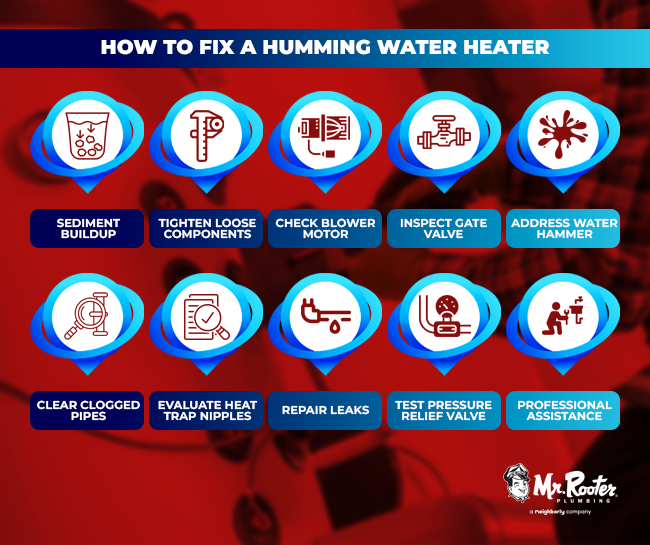
Discover practical steps to silence your humming water heater. From sediment flushing to tightening loose components, follow these expert tips for peace of mind.
- Sediment Buildup: Drain and flush the tank to remove accumulated sediment, ensuring clear passage for water flow.
- Tighten Loose Components: Inspect and tighten any loose bolts, nuts, or panels to reduce vibrations.
- Check Blower Motor: Verify proper functioning of the blower motor in gas-powered heaters, repairing or replacing if necessary.
- Inspect Gate Valve: Examine the gate valve for obstructions or defects, repairing or replacing as needed for smooth water flow.
- Address Water Hammer: Install water hammer arrestors or adjust water pressure to alleviate sudden pressure changes.
- Clear Clogged Pipes: Identify and clear any clogs or obstructions in the pipes to restore proper water flow.
- Evaluate Heat Trap Nipples: Ensure heat trap nipples are intact and properly aligned, correcting any issues affecting water flow.
- Repair Leaks: Locate and repair any leaks in the water heater or associated plumbing to prevent water loss and vibrations.
- Test Pressure Relief Valve: Test the pressure relief valve for proper operation, repairing or replacing if it releases water excessively.
- Professional Assistance: When in doubt or for complex issues, seek assistance from a licensed plumber to ensure thorough resolution.
Preventive Maintenance Tips
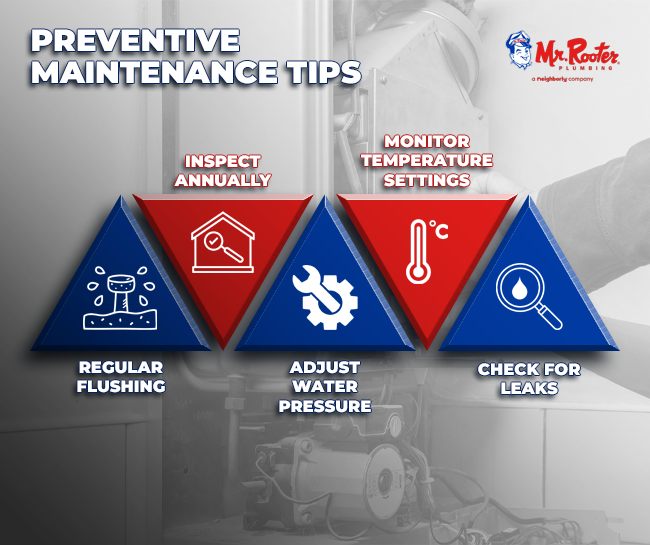
Ensure your water heater operates efficiently for years to come with these preventive maintenance tips. Keep your system running smoothly and avoid costly repairs.
- Regular Flushing: Schedule periodic tank flushing to remove sediment buildup and maintain optimal water flow.
- Inspect Annually: Arrange for annual inspections by a professional plumber to detect and address potential issues early.
- Adjust Water Pressure: Ensure water pressure is within recommended levels to prevent strain on the heater and plumbing system.
- Monitor Temperature Settings: Regularly check and adjust the water heater temperature settings to prevent overheating and reduce energy consumption.
- Check for Leaks: Routinely inspect for leaks around the water heater and associated pipes, repairing any issues promptly to prevent damage.
💡 Following these maintenance tips, you’ll improve your water heater’s performance and longevity, reducing the chances of unexpected breakdowns and expensive repairs.
A humming water heater can be a cause for concern, but with proper understanding and maintenance, you can address the issue effectively. By identifying the source of the noise and taking appropriate measures to address it, you can ensure that your water heater continues to provide reliable hot water for your household needs. Remember to schedule regular maintenance and seek professional assistance when needed to keep your water heater in optimal condition for years to come.