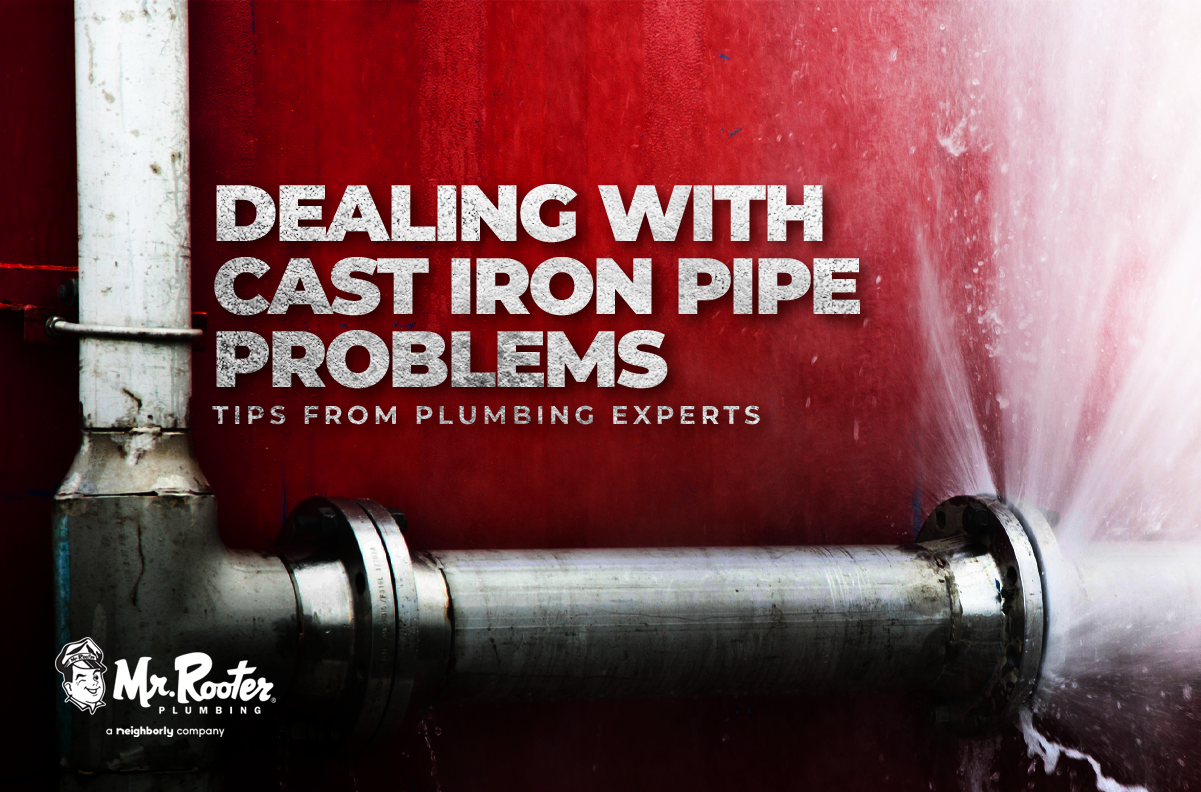
Cast iron pipes have been a staple in home plumbing systems for decades, known for their durability and longevity. However, like any material, they are not immune to problems. Homeowners with cast iron piping should be aware of potential issues that can arise, impacting the functionality and safety of their plumbing system. This guide aims to navigate you through identifying, managing, and possibly replacing cast iron pipes, ensuring your home’s plumbing operates efficiently.
What Are the Common Problems of Cast Iron Pipes?
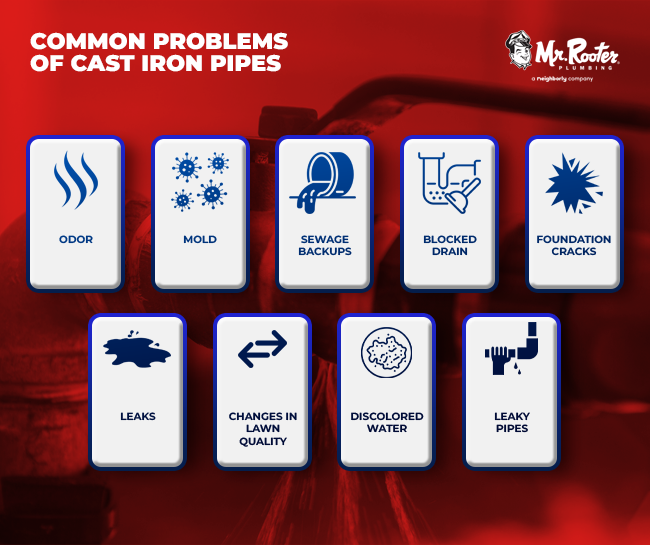
Cast iron pipes, integral to many homes’ plumbing systems, can encounter a variety of issues as they age. Recognizing and addressing these problems early can prevent more significant complications down the line:
- Odor: A telltale sign of a failing cast iron pipe is the presence of unpleasant odors emanating from drains, indicating a possible breach in the pipe. Regular inspections and cleaning can help identify and seal off any leaks or breaks that may be causing these odors.
- Mold: Moisture from leaky pipes creates an ideal environment for mold growth. To prevent this, monitor areas prone to dampness closely and address any leaks promptly to keep the area dry and mold-free.
- Sewage Backups: These are often the result of blockages in your cast iron pipes. Avoid flushing non-degradable materials and perform regular drain cleaning to prevent blockages that can lead to sewage backups.
- Blocked Drain: Accumulation of sediment, rust, or other debris can lead to blocked drains. Implementing strainers in sinks and regularly cleaning pipes can help maintain clear drains.
- Foundation Cracks: Leaks from cast iron pipes can undermine the foundation of your home, leading to cracks. Early detection and repair of leaks are crucial to prevent water damage to your home’s foundation.
- Leaks: Even small leaks can signify larger issues within cast iron pipes. Conducting routine inspections and maintenance checks can help identify and rectify leaks before they escalate.
- Changes in Lawn Quality: Unusual wet spots or a sudden lushness in parts of your lawn may indicate a leaking underground cast iron pipe. Regularly walking your property and noting changes can help catch such leaks early.
- Discolored Water: Rust from corroding pipes can discolor your water. If you notice brown or yellow water, it may be time to inspect your pipes for corrosion and consider replacement if necessary.
- Leaky Pipes: Persistent dampness or water damage around pipes can point to leaks. Keeping an eye out for signs of moisture and addressing them promptly can prevent more significant water damage.
💡 By staying vigilant and proactive in maintenance, homeowners can mitigate the common problems associated with aging cast iron pipes, ensuring the longevity and efficiency of their plumbing systems.
How Do I Know if My Cast Iron Pipe is Bad?
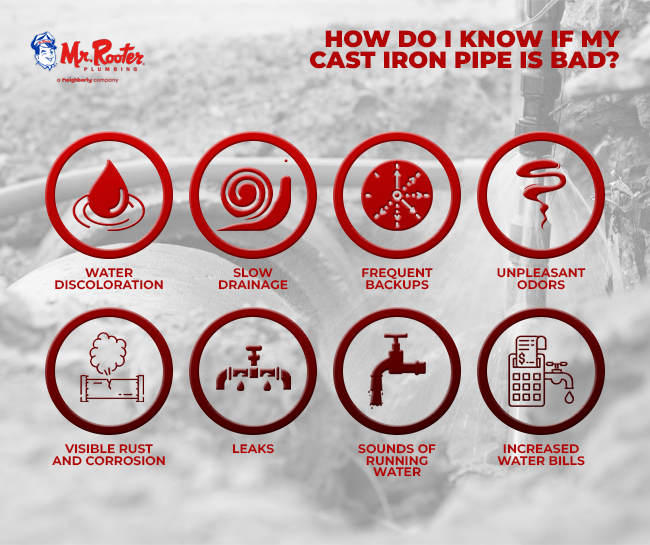
Identifying failing cast iron pipes early is crucial for maintaining the integrity of your home’s plumbing system. Here are key signs that your cast iron pipe may be in bad condition:
Water Discoloration: If your water has a brown or yellow tint, it could indicate rust inside your cast iron pipes, suggesting corrosion.
Slow Drainage: A noticeable slowdown in water drainage can signal blockages caused by rust buildup or sediment inside the pipes.
Frequent Backups: Regular backups in your sinks, toilets, or bathtubs are often signs of clogged or deteriorating pipes.
Unpleasant Odors: An unusual smell emanating from your drains can be a sign of a crack or break in your cast iron pipes, allowing sewer gases to escape.
Visible Rust and Corrosion: Inspecting exposed pipes for signs of rust or corrosion can indicate the condition of hidden pipes.
Leaks: Wet spots on floors, walls, or ceilings, especially near plumbing fixtures, can indicate leaky pipes.
Sounds of Running Water: Hearing water running when all taps are turned off could suggest a leak in your cast iron pipes.
Increased Water Bills: An unexplained rise in water bills might indicate a hidden leak in your plumbing system.
💡 If you notice any of these signs, it’s advisable to conduct a more thorough inspection or consult a professional plumber to assess the condition of your cast iron pipes and recommend appropriate actions.
When Should You Replace Cast Iron Pipes?
Deciding when to replace cast iron pipes depends on several factors, including their age, condition, and the severity of any damage. Generally, cast iron pipes have a life expectancy of 75 to 100 years. If your home’s plumbing system is nearing this age range or you’re experiencing persistent problems, it might be time to consider replacement. Additionally, if renovations or repairs are already planned, it could be an opportune time to upgrade your pipes.
Dealing with old cast iron pipes is all about keeping an eye out and staying ahead of trouble. If you notice anything odd like weird smells, slow drains, or water that looks off, it’s time to act. A little bit of upkeep can go a long way in avoiding big headaches later. But when things seem a bit too much to handle, don’t hesitate to call in a pro. They know what to do, and getting their help can save you time and money down the line. Remember, taking care of your pipes means taking care of your home.