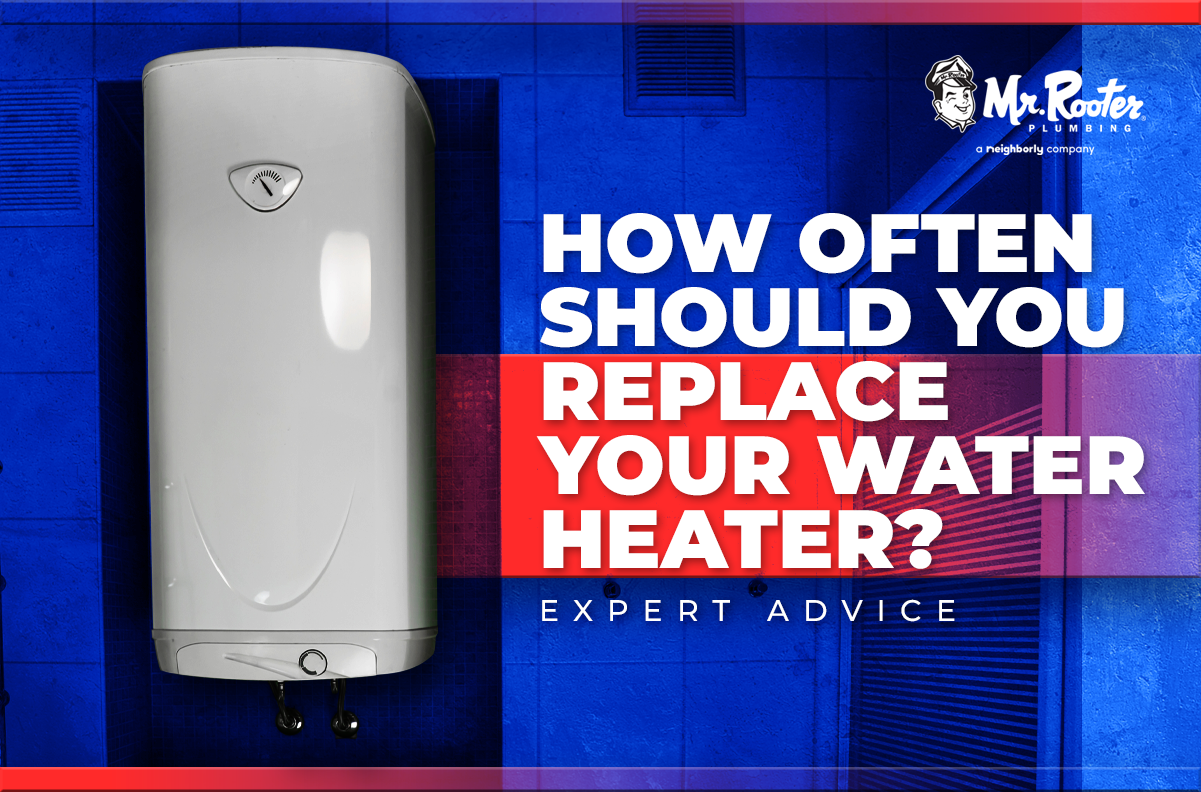
As a homeowner, few things are as essential to your comfort and convenience as a functioning water heater. Whether it’s for a warm shower, cleaning dishes, or doing laundry, a reliable hot water supply is indispensable. However, like all appliances, water heaters have a finite lifespan. In this comprehensive guide, we’ll delve into the signs indicating your water heater needs replacement, explore the recommended lifespan of these units, and provide expert advice on how often you should consider upgrading.
Importance of a Functioning Water Heater:
Before diving into the specifics of water heater replacement, it’s crucial to understand the vital role these appliances play in our daily lives. A properly functioning water heater ensures we have access to hot water whenever needed, enhancing comfort and cleanliness within our homes. From bathing to cooking and cleaning, hot water is a fundamental necessity that we often take for granted until it’s no longer readily available.
Signs Your Water Heater Needs Replacement:
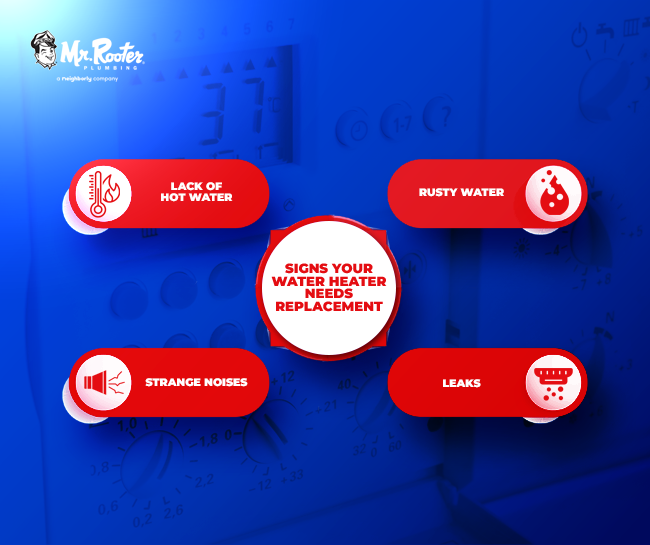
Lack of Hot Water: One of the most obvious signs that your water heater may need replacement is a noticeable decrease in hot water supply. If you find yourself running out of hot water sooner than usual or if the water isn’t getting as hot as it used to, it could indicate a failing heating element or other internal issues.
- Rusty Water: Rusty or discolored water coming from your faucets can be a telltale sign of corrosion inside your water heater tank. Over time, sediment buildup and corrosion can cause the tank to deteriorate, leading to rusty water and potential leaks.
- Strange Noises: Unusual sounds such as popping, banging, or rumbling coming from your water heater could indicate sediment buildup at the bottom of the tank. This sediment can interfere with heating elements and cause the unit to work harder, leading to premature wear and tear.
- Leaks: Any signs of water pooling around your water heater should be taken seriously. Leaks can indicate cracks or damage to the tank, which may necessitate immediate replacement to prevent water damage and mold growth.
💡 Regular maintenance and timely replacement are essential for maximizing the lifespan and efficiency of your water heater.
Recommended Lifespan of a Water Heater:
The lifespan of a water heater can vary depending on several factors, including the type of unit, water quality, maintenance practices, and usage patterns. However, as a general guideline, traditional tank-style water heaters typically last between 10 to 15 years, while tankless models may have a lifespan of 20 years or more with proper maintenance.
Factors Affecting Lifespan:
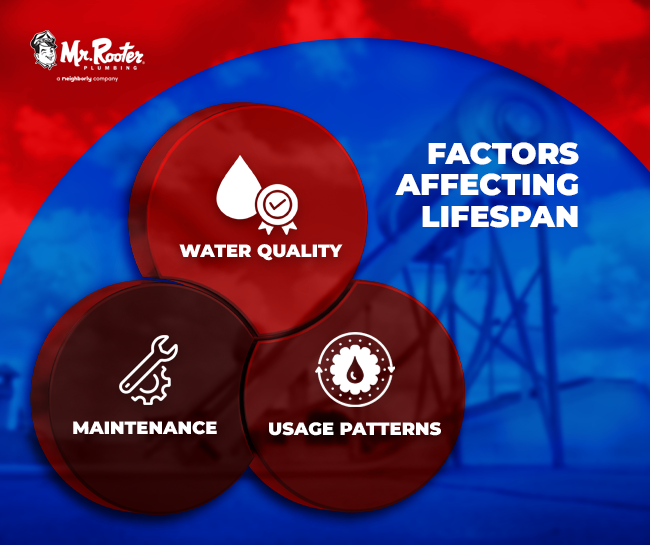
- Water Quality: Hard water with high mineral content can accelerate corrosion and sediment buildup, shortening the lifespan of your water heater.
- Maintenance: Regular maintenance, including flushing the tank and inspecting for leaks or signs of wear, can prolong the life of your water heater.
- Usage Patterns: Homes with high hot water demand may put more strain on the water heater, leading to premature wear and shorter lifespan.
💡 Considering these factors, it’s essential to assess the condition of your water heater periodically and be proactive about replacement before it fails completely.
How Often Should You Replace Your Water Heater?
While there isn’t a one-size-fits-all answer to this question, experts generally recommend considering replacement around the 10 to 15-year mark for traditional tank-style water heaters. However, it’s essential to monitor your unit for signs of deterioration and to factor in individual circumstances such as water quality and usage patterns.
- Inspect your water heater annually for signs of corrosion, leaks, or diminished performance.
- Consider upgrading to a more energy-efficient model if your current unit is nearing the end of its lifespan or experiencing frequent issues.
- Consult with a licensed plumber for professional assessment and recommendations tailored to your specific situation.
Tips for Extending the Lifespan of Your Water Heater:
- Flushing the Tank:
Regularly flushing out sediment and mineral buildup from the tank can help maintain optimal performance and extend the lifespan of your water heater.
- Temperature Maintenance:
Set your water heater’s temperature to the manufacturer’s recommended setting to prevent overheating and reduce the risk of corrosion.
- Insulating Pipes:
Insulating hot water pipes can help minimize heat loss and reduce the workload on your water heater, potentially extending its lifespan.
Should You Replace Your Water Heater Before It Fails?
While it may be tempting to wait until your water heater fails completely before replacing it, proactive replacement offers several advantages. By upgrading to a new, energy-efficient model before your old unit fails, you can avoid the inconvenience of sudden breakdowns, reduce the risk of water damage to your home, and take advantage of advancements in technology that improve efficiency and performance.
Benefits of Proactive Replacement:
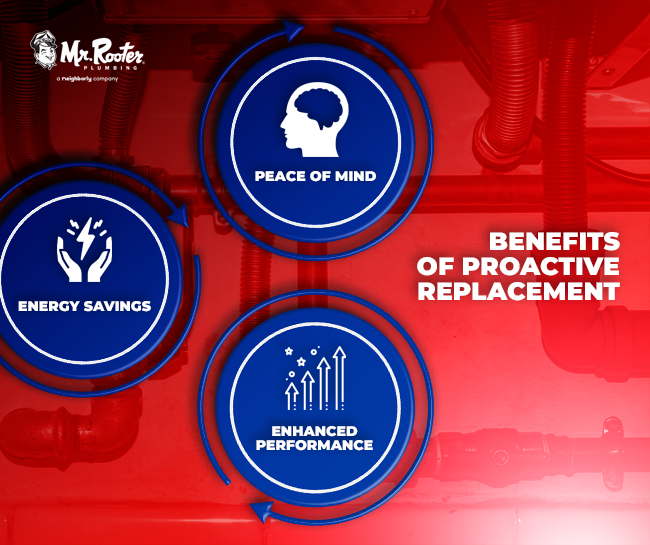
- Peace of Mind: Knowing that your water heater is in good working condition can provide peace of mind and eliminate the stress of unexpected breakdowns.
- Energy Savings: Newer water heaters are often more energy-efficient, resulting in lower utility bills and reduced environmental impact.
- Enhanced Performance: Upgrading to a newer model allows you to take advantage of features such as faster heating times, better temperature control, and improved reliability.
Cost Considerations:
While the upfront cost of replacing your water heater may seem daunting, it’s essential to consider the long-term savings and benefits of upgrading to a more efficient unit. Additionally, investing in a new water heater before your old one fails can help you avoid emergency replacement costs and potential damage to your home from leaks or ruptures.
Knowing when to replace your water heater is crucial for maintaining a comfortable and functional home. By understanding the signs indicating replacement time, monitoring your unit’s performance, and considering factors such as lifespan and usage patterns, you can make informed decisions about when to upgrade. Whether you choose to replace your water heater proactively or wait until it fails, consulting with a qualified plumber and following expert recommendations can help ensure optimal performance and efficiency for years to come.