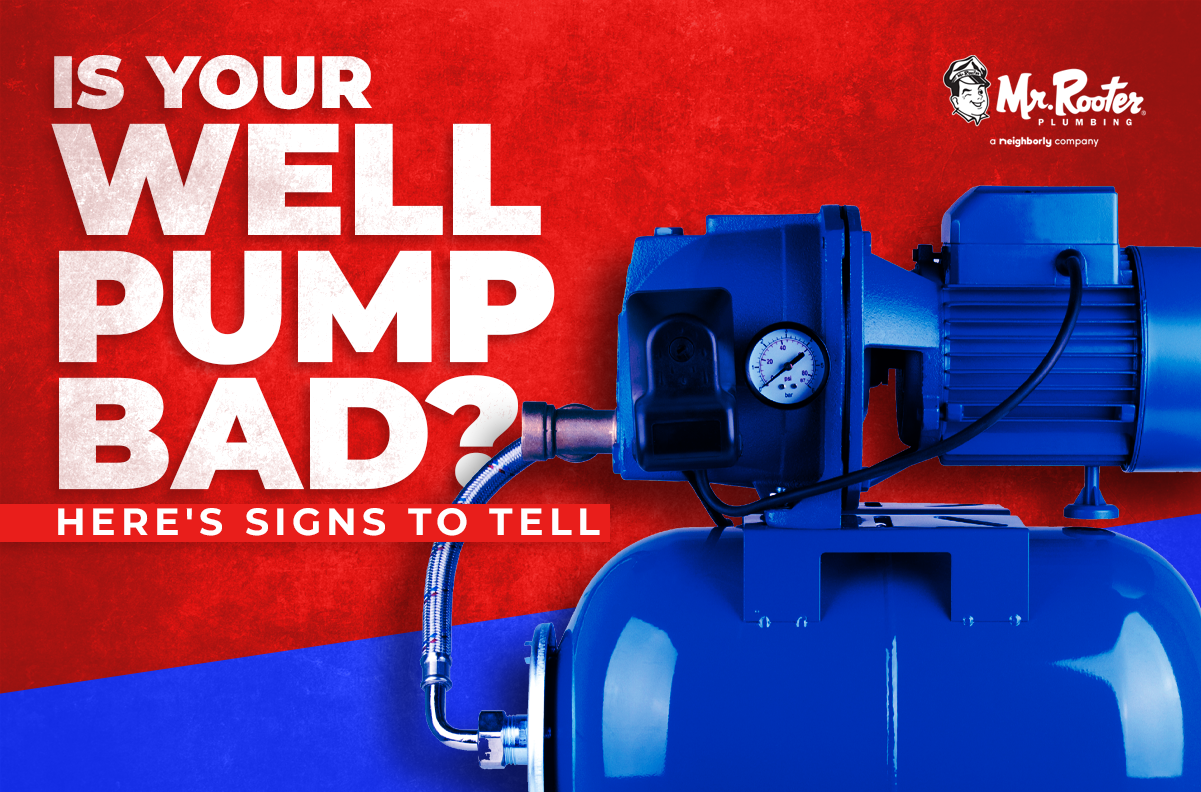
A well pump is the heart of your home’s water system, especially in rural or suburban settings. It’s crucial for providing consistent, clean water. However, like any mechanical device, it can fail. Knowing how to tell if a well pump is bad is essential for maintaining a reliable water supply and avoiding costly repairs. This guide will walk you through the symptoms of a failing well pump, how to check its condition, and when to consider a replacement.
Signs of a Bad Well Pump
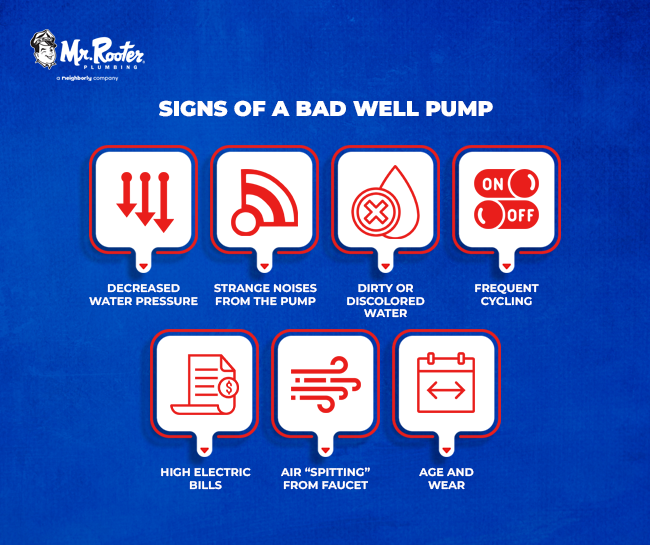
Before diving into the specifics, it’s important to understand that well pump issues can manifest in various ways. Here’s what to look out for:
- Decreased Water Pressure: A noticeable reduction in water pressure often signals a problem. This could be due to the pump struggling to draw water, possibly from a lowering water table or a malfunctioning pump component.
- Strange Noises from the Pump: Listen for unusual sounds like grinding, humming, or banging. These noises can indicate mechanical wear and tear, a sign that the pump’s components are failing or misaligned.
- Dirty or Discolored Water: If your water starts to look cloudy, has visible particles, or changes color, this could be a sign of a deteriorating well pump. It might be disturbing sediments in the well, indicating a problem with the pump’s position or integrity.
- Frequent Cycling: A well pump that turns on and off more often than usual, known as short cycling, can indicate a problem. This could be due to a malfunctioning pressure tank, a leak in the system, or the pump itself losing efficiency.
- High Electric Bills: An unexpected increase in your electric bill can be a subtle sign of a well pump issue. If the pump is working harder than normal due to a fault, it will consume more power.
- Air “Spitting” from Faucet: When air comes out of your faucet, it might indicate a problem with the pump’s check valve or a drop in the water level in the well.
- Age and Wear: If your well pump is old or has not been maintained regularly, signs of wear and tear could be indicative of a failing pump. Pumps typically last 10-15 years; beyond this, they are more likely to develop issues.
🛠️ By understanding these signs, homeowners can take timely action to address well pump issues, ensuring a consistent and safe water supply.
How to Check Your Well Pump
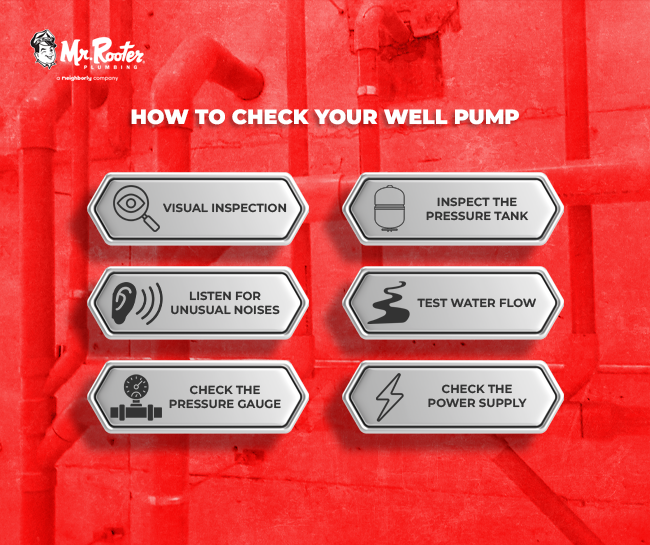
Regularly checking your well pump is key to early detection of issues. Here’s a comprehensive guide to assess the health of your well pump:
- Visual Inspection: Begin with a thorough visual check. Look for any signs of corrosion, leaks, or damage to the pump and surrounding pipes. Check for any loose or damaged wiring that could affect the pump’s operation.
- Listen for Unusual Noises: Turn on the pump and listen carefully. Any unusual sounds like grinding, humming, or clanking can indicate internal problems or a struggling motor.
- Check the Pressure Gauge: Locate the pressure gauge and note the reading. A well-functioning pump should maintain a steady pressure. Fluctuations or unusually low or high readings can signal issues.
- Inspect the Pressure Tank: The pressure tank helps maintain steady water pressure. Tap on it; it should sound hollow at the top and solid at the bottom. If it sounds solid throughout, it might be waterlogged, affecting pump performance.
- Test Water Flow: Turn on a faucet and observe the water flow. Inconsistent flow or sputtering can indicate a problem with the pump or the pressure tank.
- Check the Power Supply: Ensure the pump is receiving consistent power. Check the circuit breaker and any GFCI outlets connected to the pump.
🛠️ Regularly inspecting your well pump isn’t just maintenance; it’s your plumbing’s lifeline. It’s your early warning system against costly breakdowns and water supply disruptions. By keeping an attentive eye and ear on your pump, you’re safeguarding your home’s comfort and ensuring uninterrupted access to clean water.
When to Get a New Well Pump
Well pumps typically last around 10-15 years. If your pump is within this age range and experiencing issues, a replacement might be more cost-effective than repairs. Consider the frequency of repairs and the overall performance of your current pump in your decision.
Preventative Maintenance Tips for Your Well Pump
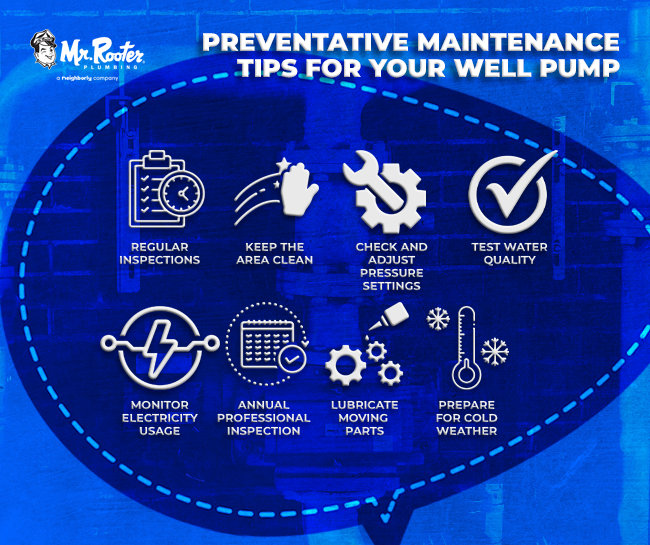
Maintaining your well pump is crucial for its longevity and efficiency. Here’s a detailed guide to help you keep your well pump in top condition:
- Regular Inspections: Conduct a visual and auditory inspection of your well pump system every few months. Look for any signs of wear, leaks, or corrosion. Listen for any unusual noises that could indicate mechanical issues.
- Keep the Area Clean: Ensure the area around your well and pump is clean and free of debris. This helps prevent contamination and reduces the risk of mechanical blockages.
- Check and Adjust Pressure Settings: Regularly check the pressure settings on your pump. Incorrect pressure settings can lead to the pump working harder than necessary, reducing its lifespan.
- Test Water Quality: Periodically test your water quality. Changes in water quality can indicate issues with your well system, including the pump.
- Monitor Electricity Usage: Keep an eye on the electricity usage of your pump. An increase in power consumption can signal a pump that is working inefficiently.
- Annual Professional Inspection: Have a professional inspect your well pump system annually. They can identify issues that may not be obvious to the untrained eye and perform necessary maintenance.
- Lubricate Moving Parts: If your pump has any user-serviceable parts, ensure they are adequately lubricated according to the manufacturer’s instructions.
- Prepare for Cold Weather: If you live in an area with freezing temperatures, take steps to insulate and protect your well pump from the cold to prevent freezing and cracking.
By following these preventative maintenance tips, you can significantly extend the life of your well pump and ensure a consistent water supply. Regular maintenance not only prevents major breakdowns but also saves money in the long run.
Recognizing how to tell if a well pump is bad is crucial for maintaining a reliable water supply. Regular checks and understanding the basics of your well pump can prevent major issues. If you’re experiencing problems, don’t hesitate to consult a professional. Remember, a well-maintained well pump is key to a happy, healthy home.