Maintaining clear water lines in your home is crucial for a consistent and safe water supply. Clogged water lines can lead to a multitude of problems, including reduced water pressure and potential damage to your home’s plumbing system. This guide on how to unclog a water line aims to provide homeowners with practical, easy-to-follow instructions to tackle this common issue
Signs of a Clogged Water Line
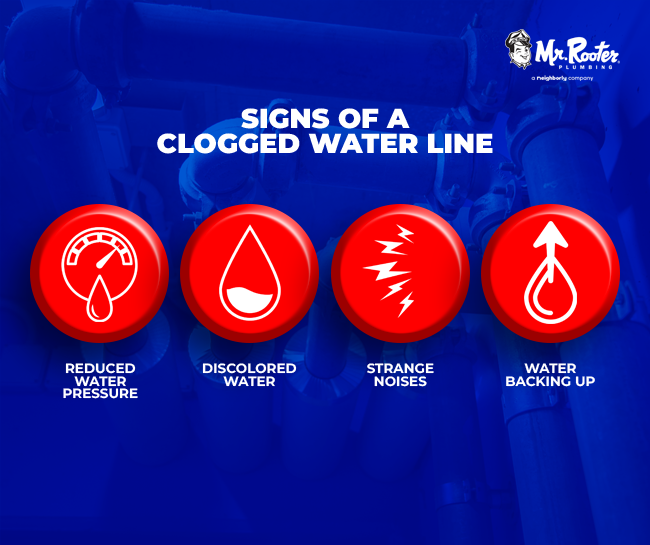
How do I know if my water line is clogged? Early detection is key to preventing more severe plumbing problems. Look out for these tell-tale signs:
- Reduced Water Pressure: A sudden drop in water pressure across various fixtures could indicate a blockage in your main water line.
- Discolored Water: Unusual coloration in your water, especially after periods of disuse, can signal rust or sediment buildup.
- Strange Noises: Banging, whistling, or gurgling sounds from pipes can be a sign of obstructed water flow.
- Water Backing Up: Water surfacing in sinks, bathtubs, or toilets suggests a localized blockage.
💡 Recognizing early signs of a clogged water line is your first line of defense against plumbing woes. From dwindling pressure to discolored water, these signals guide you in safeguarding your home’s plumbing integrity. Stay vigilant, and ensure seamless water flow for a stress-free living experience.
Step-by-Step Guide to Unclogging a Water Line
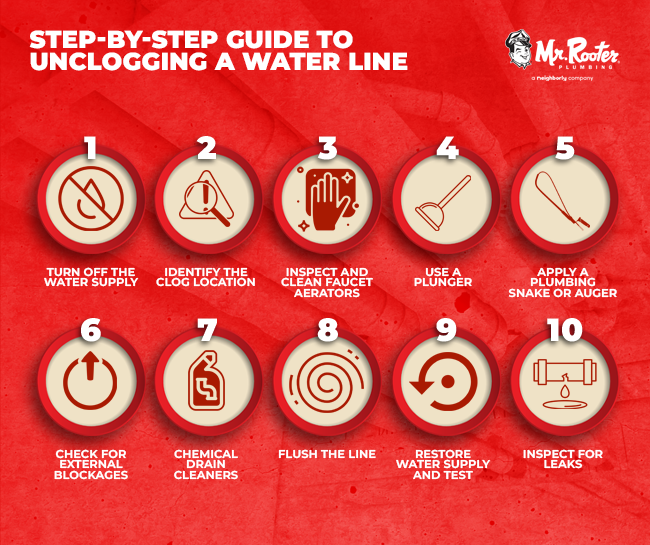
Unclogging a water line requires patience, attention to detail, and a systematic approach. Here’s what you should do
- Turn Off the Water Supply:
Before starting any work, locate and shut off the main water valve to your home. This prevents water from flowing into the pipes as you work, reducing the risk of water damage and making it easier to clear the clog.
- Identify the Clog Location:
Begin by testing different faucets in your home. If only one fixture is affected, the clog is likely localized. If multiple fixtures have low pressure or are backing up, the clog might be in the main water line.
- Inspect and Clean Faucet Aerators:
Often, clogs occur at the aerator – the small screen at the end of your faucets. Unscrew the aerator and check for sediment, lime buildup, or debris. Clean it thoroughly under running water and use a small brush or pin to clear the small holes.
- Use a Plunger:
If the clog is in a sink, shower, or bathtub, try using a plunger. Ensure you have a tight seal around the drain and use vigorous up-and-down motions to create pressure that can dislodge the clog. For double sinks, seal off the second drain to ensure effective plunging.
- Apply a Plumbing Snake or Auger:
For deeper clogs that a plunger can’t reach, use a plumbing snake. Insert the snake into the drain and push it down until you feel resistance. Rotate the snake against the blockage to break it up or hook it to pull it out.
- Check for External Blockages:
Sometimes, clogs can occur in areas like U-bends or traps under sinks. Place a bucket underneath, unscrew the U-bend, and check for blockages. Clear any debris you find and reattach the bend.
- Chemical Drain Cleaners:
As a last resort, you can use chemical drain cleaners. However, use them sparingly as they can be harsh on your plumbing. Always follow the manufacturer’s instructions and safety precautions.
- Flush the Line:
After removing the clog, flush the line with plenty of hot water. This helps to clear any remaining debris. In the case of sediment buildup, a vinegar solution can help dissolve mineral deposits.
- Restore Water Supply and Test:
Turn the main water supply back on and check all affected fixtures. Run the water for several minutes to ensure the clog is completely cleared and that water pressure is back to normal.
- Inspect for Leaks:
After any plumbing work, it’s crucial to check for leaks. Look under sinks, around toilets, and along visible piping for any signs of water leakage.
💡 By following these detailed steps, you can effectively address most common clogs in your home’s water lines.
Preventing Future Clogs
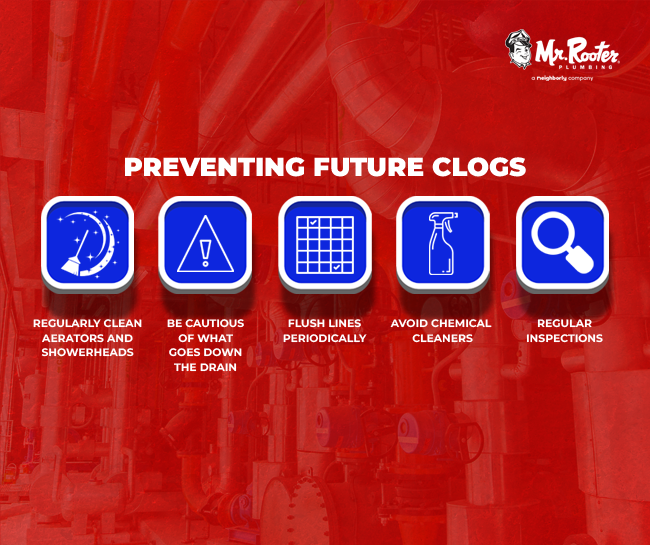
“Prevention is better than cure,” a principle that holds true in plumbing maintenance. Taking preventive measures can save you from the stress and inconvenience of future clogs. Here are some essential tips to keep your water lines clear:
- Regularly Clean Aerators and Showerheads: Remove and clean these fixtures to prevent mineral buildup.
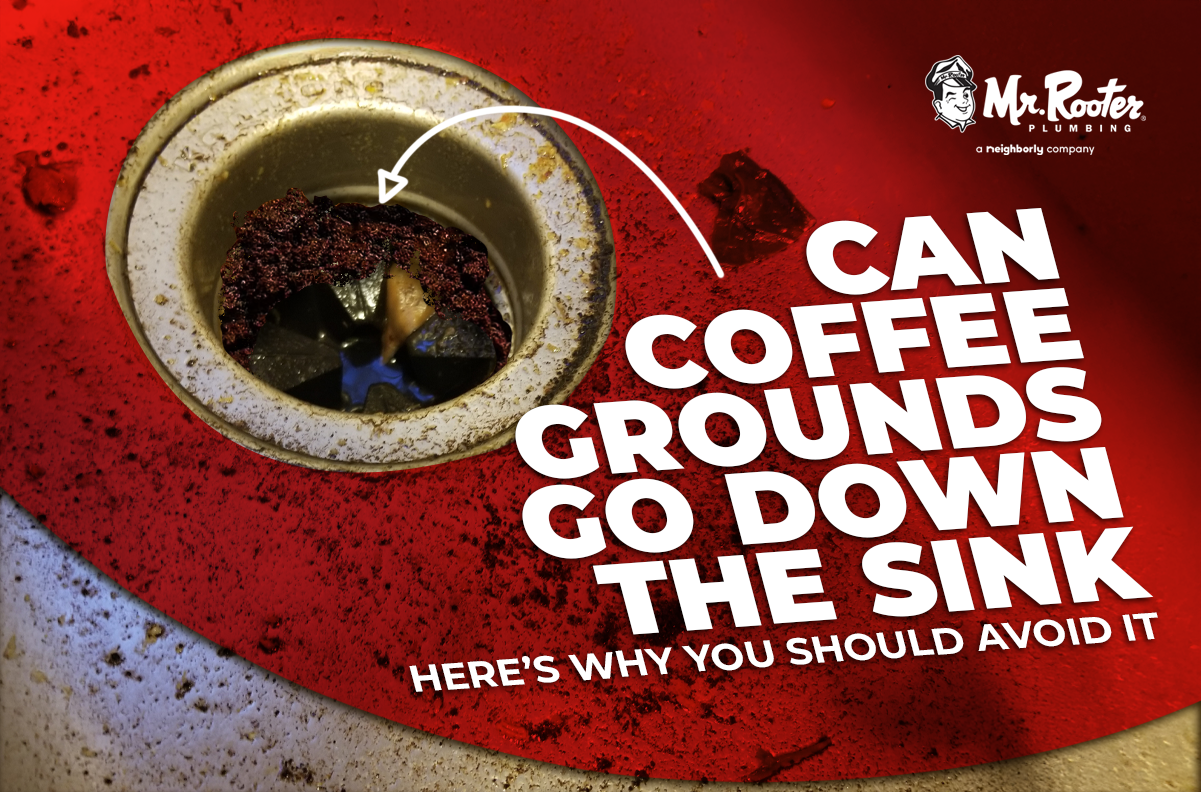
- Be Cautious of What Goes Down the Drain: Avoid disposing of grease, coffee grounds, and other substances that can cause clogs.
- Use Sink Strainers: Install strainers in kitchen and bathroom sinks to catch debris.
- Flush Lines Periodically: Regularly flush your water lines with hot water or a vinegar solution to dissolve minor sediment.
- Avoid Chemical Cleaners: Use chemical drain cleaners sparingly as they can damage pipes over time.
- Regular Inspections: Periodically inspect your plumbing for early signs of clogs or leaks.
💡 Shield your pipes, safeguard your peace. Proactive plumbing care is the key – sparing you from the headaches of future clogs. Clean, cautious, and vigilant steps today ensure a flowing tomorrow. Your plumbing’s silent guardian, a stitch in time, keeps leaks at bay.
When to Call a Professional
Some situations warrant professional help:
- Persistent Issues: If clogs recur or water pressure doesn’t improve, it might indicate a more severe problem.
- Multiple Clogged Fixtures: When multiple fixtures are affected, the issue might be with the main line.
- Water Quality Concerns: If water remains discolored or has an odd smell, consult a professional.
Tackling a clogged water line can be straightforward with the right approach. Understanding how to unclog a water line and taking regular maintenance and prompt action can prevent most clogs, but don’t hesitate to seek professional help for complex issues. Keeping your water lines clear not only ensures a smooth-running household but also prolongs the life of your plumbing system.