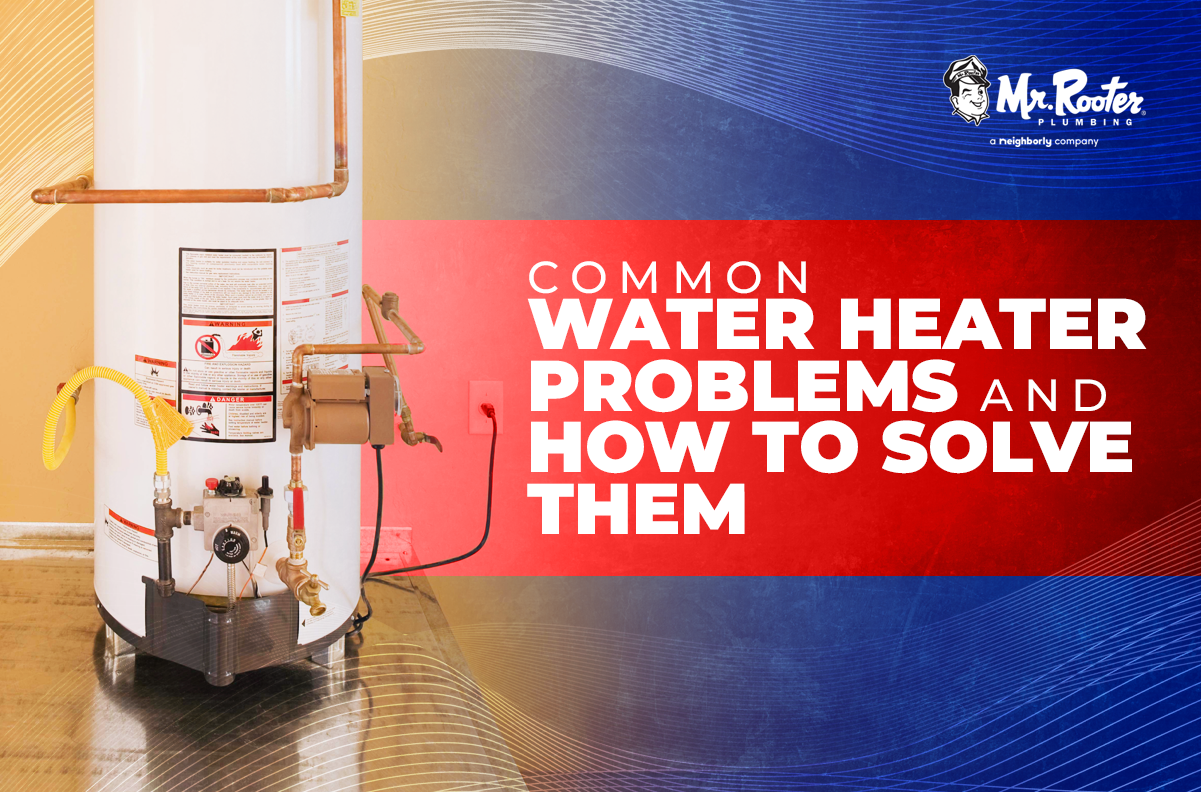
Water heaters are an essential part of our daily lives, providing the comfort of hot showers and the convenience of warm water for household chores. However, like any home appliance, they can encounter issues. In this guide, we’ll explore common water heater problems, offering practical solutions and tips to help you address these issues confidently.
Signs Your Hot Water Heater Is Going Out
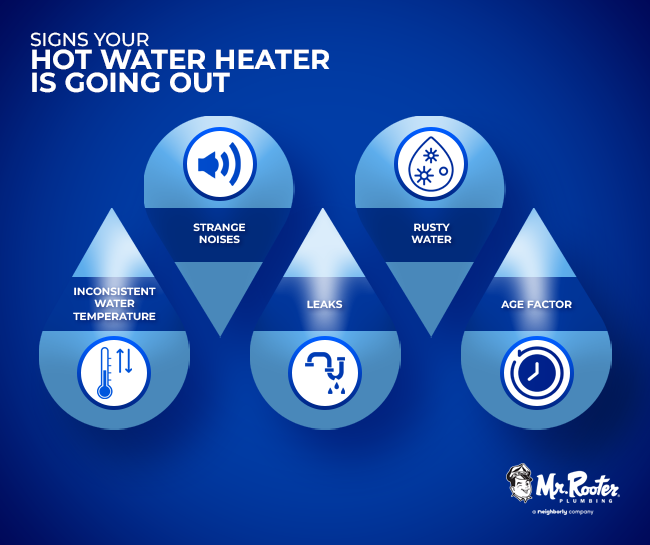
Identifying early signs of water heater failure can prevent more significant issues down the line. Here’s what to look out for:
- Inconsistent Water Temperature: If your shower alternates between hot and cold, your water heater might be failing.
- Strange Noises: Sounds like banging or rumbling are often caused by sediment buildup, indicating it’s time for a tank clean-out.
- Leaks: Water around your heater is a serious concern, often pointing to tank corrosion or loose connections.
- Rusty Water: Rust-colored water suggests internal tank corrosion, a critical issue for water quality.
- Age Factor: The average lifespan of a water heater is around 10 years. Aging units are more prone to problems.
💡 The primary reason for water heater malfunctions was attributed to regular wear and tear, making up 27% of the cases evaluated by StrikeCheck in the previous year.
Diagnosing Water Heater Problems
Before attempting any repairs, ensure your safety by turning off the power supply. Here’s a step-by-step guide to diagnosing common issues:
- Power and Gas Supply Check: Verify that your heater’s power source is functioning correctly.
- Thermostat Inspection: Inaccurate temperature control often stems from thermostat issues.
- Leak Assessment: Examine connections, valves, and the tank itself for any signs of leaks.
- Pressure Relief Valve Check: This safety feature must be operational to prevent dangerous pressure build-up.
Common Water Heater Issues and Solutions
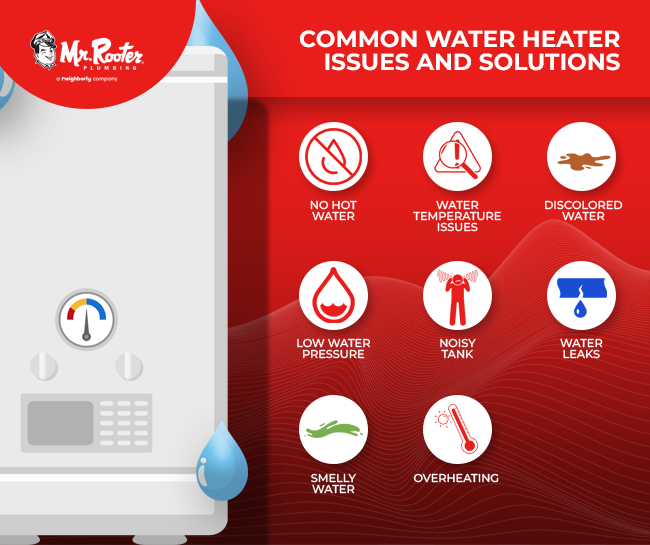
Addressing common water heater issues effectively can extend the life of your appliance and ensure consistent hot water supply. Here’s a guide to the most frequent problems and their solutions:
- No Hot Water:
This issue in electric heaters often stems from a tripped circuit breaker or a failed heating element; resetting the breaker or replacing the element can resolve this. In gas heaters, it could be due to a faulty gas valve or an extinguished pilot light, which may require relighting or component replacement.
- Water Temperature Issues:
If the water is too hot or not hot enough, adjusting the thermostat is the first step. If this doesn’t resolve the issue, the thermostat may need to be replaced. Inconsistent water temperature can also indicate a failing heating element in electric models or a faulty gas control valve in gas models.
- Discolored Water:
Rusty or discolored water usually indicates corrosion inside the tank or a failing anode rod. Replacing the anode rod can help prevent further corrosion and extend the tank’s lifespan.
- Low Water Pressure:
This can be caused by sediment buildup in the tank or in the pipes. Flushing the tank should help improve water pressure. Also, check for any blockages or bends in the pipes that could be restricting water flow.
- Noisy Tank:
Sounds like popping, cracking, or rumbling are typically due to sediment accumulation at the bottom of the tank. Draining and cleaning the tank can eliminate these noises and improve heating efficiency.
- Water Leaks:
Leaks can occur at pipe connections, valves, or in the tank itself. Tightening connections and replacing worn-out valves can fix leaks. However, if the tank is leaking, it usually indicates irreversible corrosion, and the water heater may need to be replaced.
- Smelly Water:
If your hot water has a sulfur or rotten egg smell, it could be due to bacteria growth in the tank. Flushing the tank and cleaning it with a hydrogen peroxide solution can help eliminate the odor. Adjusting the temperature to around 140°F can also inhibit bacterial growth.
- Overheating:
If the water heater overheats, it could be due to a malfunctioning thermostat or a blocked pressure relief valve. Resetting the thermostat or replacing it, and ensuring the pressure relief valve is functioning properly, can prevent overheating.
💡 By understanding these common issues and their solutions, you can maintain your water heater in optimal condition and handle many problems without needing professional assistance. However, for complex issues or if you’re unsure about a repair, it’s always safer to consult with a professional plumber.
Preventative Maintenance Tips
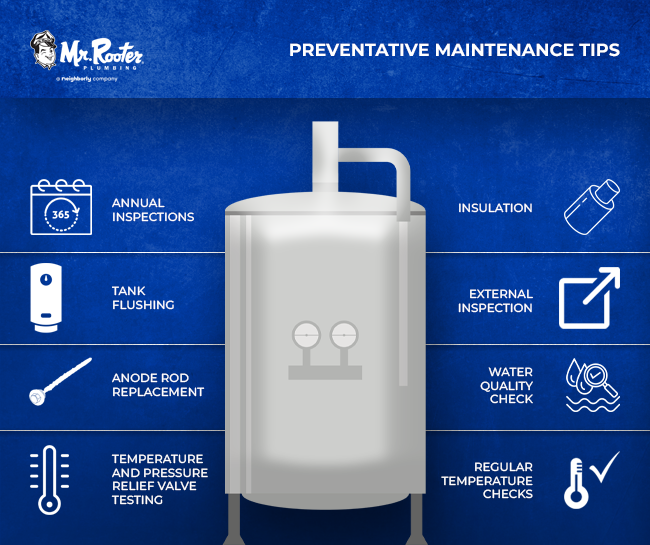
Regular maintenance is crucial for the longevity and efficiency of your water heater. By following these simple yet effective tips, you can prevent many common issues and ensure your water heater operates smoothly for years to come:
- Annual Inspections: Conduct yearly inspections of your water heater to identify any potential issues early, such as leaks, rust, or sediment buildup.
- Tank Flushing: Flush the tank annually to remove sediment, which can improve heating efficiency and prolong the life of your water heater.
- Anode Rod Replacement: Check the anode rod every two to three years and replace it if corroded, as it protects the tank from rust.
- Temperature and Pressure Relief Valve Testing: Regularly test this safety valve to ensure it’s functioning correctly, as it helps to prevent excessive pressure and temperature in the tank.
- Insulation: Proper insulation of the tank and pipes can improve energy efficiency and reduce heat loss, leading to lower energy bills.
- External Inspection: Regularly inspect the exterior of the water heater for signs of wear or damage, such as rust or corrosion, which could indicate a need for repairs or replacement.
- Water Quality Check: If you have hard water, consider installing a water softener to reduce mineral buildup in the tank and pipes.
- Regular Temperature Checks: Monitor and adjust the temperature setting as needed to ensure optimal performance and energy efficiency.
By implementing these maintenance tips, you can enhance the performance and extend the lifespan of your water heater, while also preventing unexpected breakdowns and costly repairs.
Understanding your water heater and addressing issues promptly can save time and money. While some problems can be fixed with DIY methods, don’t hesitate to consult a professional for complex issues. Regular maintenance and awareness are key to a long-lasting, efficient water heater.